

Medically Reviewed by Dr. Christopher Delp
Losing weight can feel especially frustrating when you’ve already made meaningful changes but the scale, appetite, or cravings don’t seem to cooperate. That’s one reason telehealth weight loss programs have become so appealing. They can make professional support easier to access without requiring another appointment to squeeze into an already busy week.
But convenience shouldn’t be confused with quality. Medical weight loss is still healthcare, whether your appointment happens in an office or through a screen. The right program should look beyond a prescription and consider your health, medication options, progress, and long-term needs.
Continue reading to learn what deserves your attention when choosing an online provider, along with the warning signs that should make you think twice.
What Is Medical Weight Loss?
Medical weight loss is a professionally supervised approach to weight management. Rather than relying on a generic diet or supplement, treatment is built around an individual’s health history, weight-related needs, goals, and clinical eligibility.
For some patients, lifestyle changes remain central to the plan. Others may also qualify for prescription medications that influence appetite, fullness, or other biological factors involved in weight management.
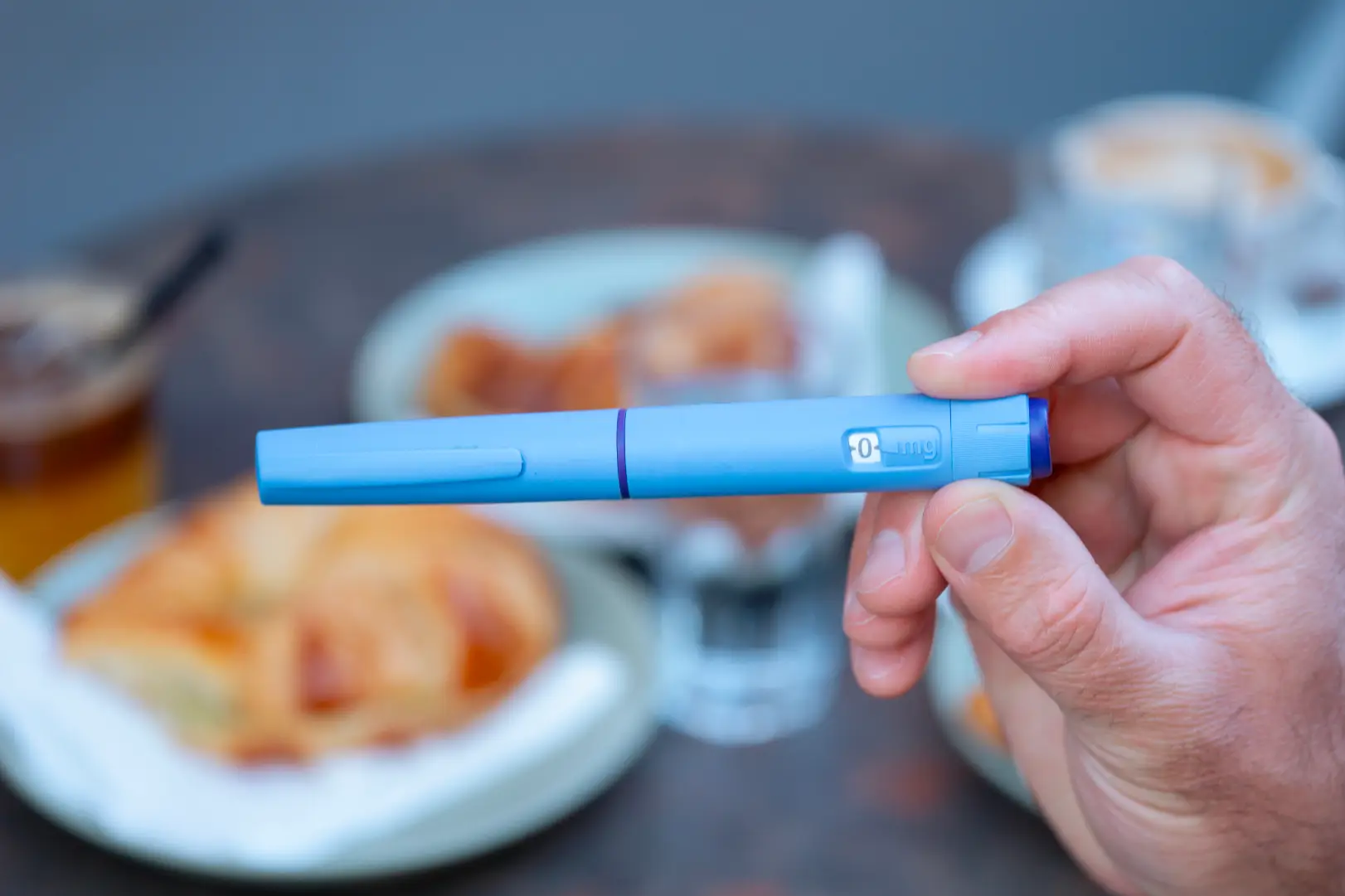
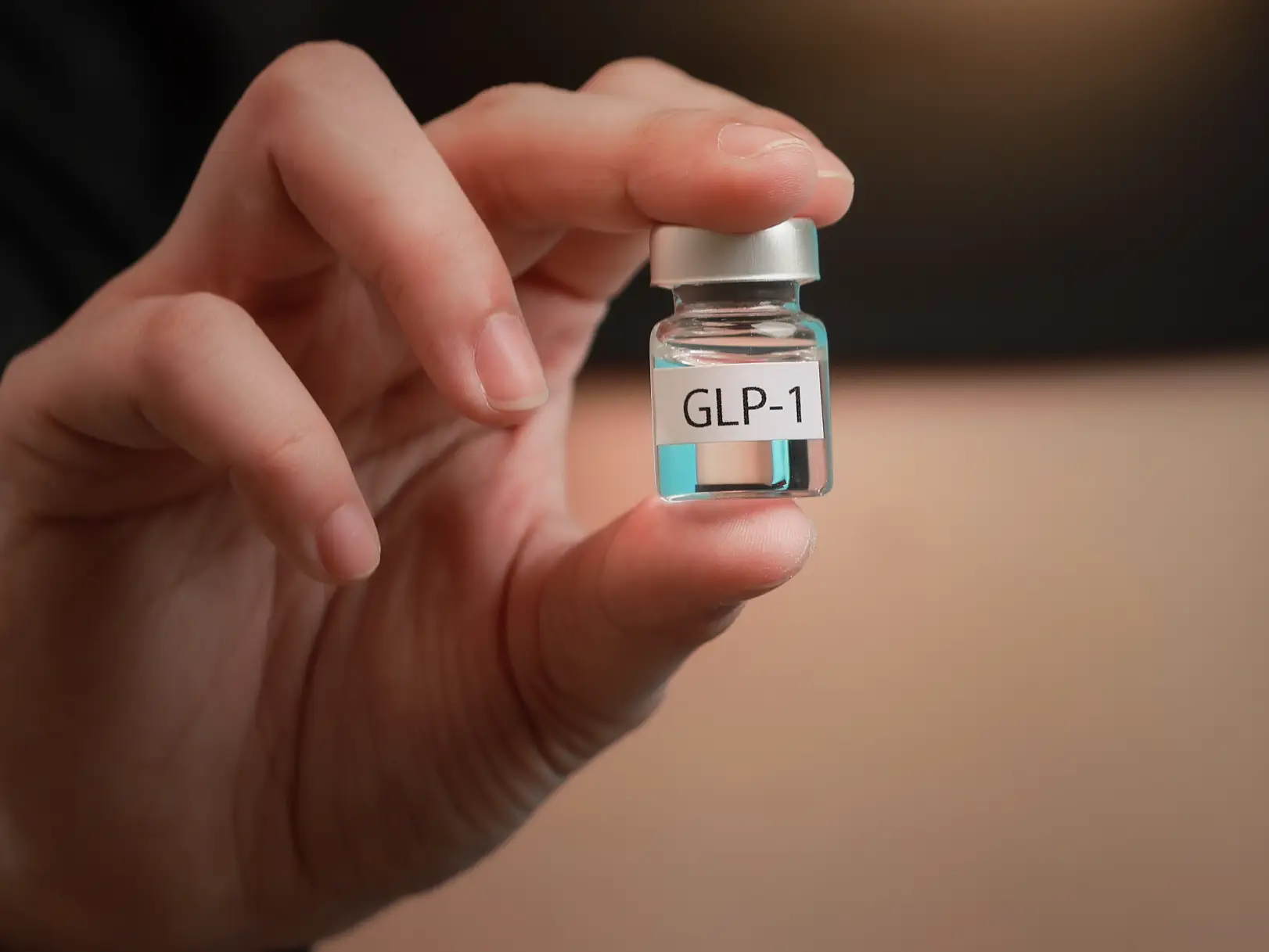
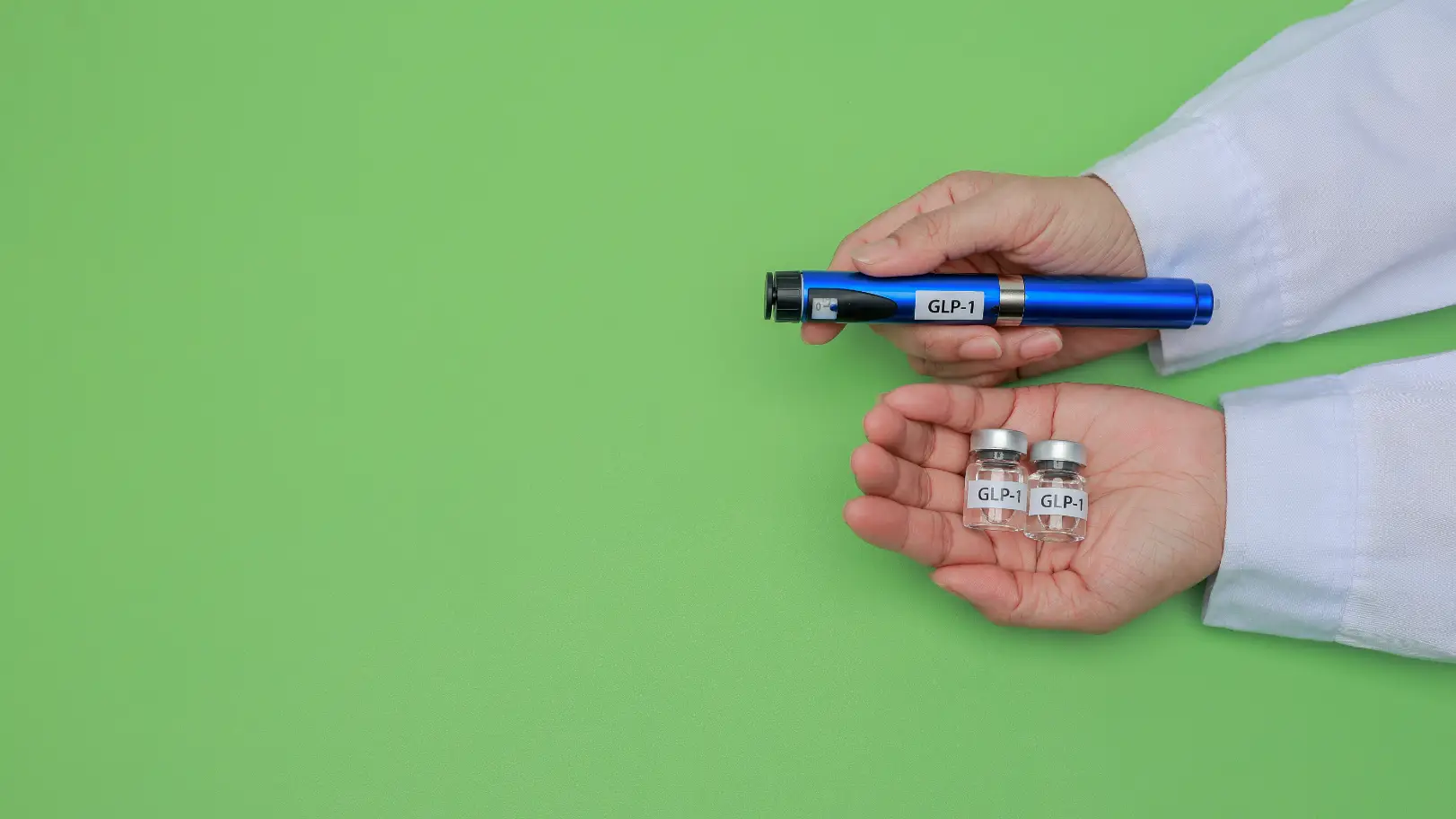
GLP-1 medications have become an important part of this conversation. However, there isn’t one medication or dosing strategy that automatically makes sense for everyone.
Depending on individual eligibility and availability, a medical weight loss program may include options such as:
- FDA-approved brand-name GLP-1 medications, including Wegovy® and Zepbound®, coordinated through manufacturer-direct programs
- Patient-specific compounded semaglutide or tirzepatide prepared by licensed pharmacies when clinically appropriate
- Micro-dosing or maintenance strategies for selected patients
- Injectable and oral GLP-1 options when appropriate
- Pricing-support resources that may help patients identify available cash pricing or manufacturer savings programs
- Ongoing monitoring and adjustments based on progress and tolerance
This is an important distinction when evaluating an online weight loss doctor. Medication access may be part of medical weight loss, but the prescription shouldn’t be the entire program.
What to Look for Before Choosing a Telehealth Provider
A polished website and convenient checkout process don’t tell you much about the quality of medical care behind a program. These are the details that deserve a closer look.
1. Look for Real Medical Oversight
The first question should be simple: Who is actually managing your care? A trustworthy telehealth weight loss provider should make medical evaluation part of the process. A qualified provider needs enough information to determine whether treatment is appropriate, identify relevant risks, and decide which options make sense for the individual patient.
That means you should expect questions about your medical history, current medications, previous weight-loss efforts, and other health factors that could influence treatment. A program that seems willing to prescribe medication to virtually anyone after a few clicks should make you cautious.
Telehealth can make medical care more convenient. It shouldn’t remove the “medical” part from medical weight loss.
2. Expect an Individual Health Assessment
Two patients can have the same weight and need completely different plans. One may have previously used a GLP-1 medication successfully but struggled after stopping. Another may be exploring medication for the first time. Some patients have medical histories or take medications that need to be considered before a prescription is discussed.
A legitimate program should treat those differences as important. A proper assessment also creates space to discuss realistic expectations. Medical weight loss isn’t simply about reaching the lowest possible number on a scale. The larger goal is to find an approach that supports meaningful progress without ignoring overall health.
One of the clearest GLP-1 provider red flags is a program that treats eligibility as a foregone conclusion before a meaningful medical evaluation has happened.
3. Know Exactly What Medication You’re Getting
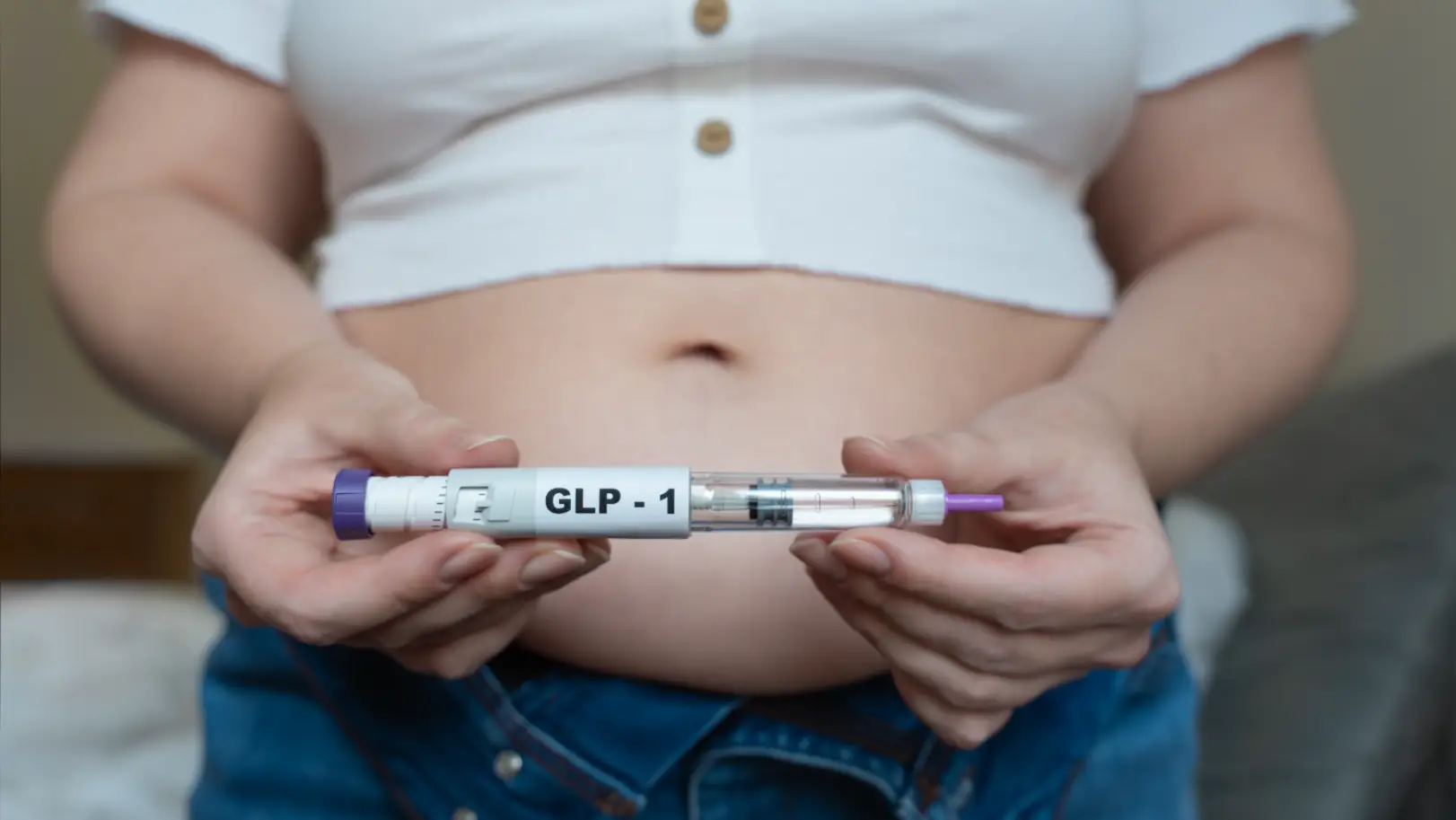
“GLP-1” is a category, not the complete name of a treatment plan. Patients should know what medication they’re being prescribed, whether it is an FDA-approved branded product or a compounded medication, who is dispensing it, and what instructions accompany it.
That transparency becomes particularly important when searching online for legitimate online semaglutide. FDA-approved products and compounded medications aren’t interchangeable concepts. Compounded drugs are not FDA-approved, and their use should be patient-specific and medically appropriate.
Patients considering them should understand what they’re receiving and where it is being prepared. Be wary of vague product descriptions such as “weight-loss shot” without meaningful information about the medication or pharmacy.
If a company is comfortable taking your payment but uncomfortable explaining what it intends to send you, that’s not a reassuring sign.
4. Medication Shouldn’t Arrive Without Follow-Up
Getting a prescription isn’t the finish line. GLP-1 treatment may involve changes over time based on response, side effects, treatment goals, and the medication being used. Patients need a way to communicate with their care team when questions or problems arise.
A quality program should explain what follow-up looks like from the beginning. How will progress be reviewed? What happens if you’re experiencing side effects? Who should you contact if something feels wrong? How are treatment decisions made as you move forward?
These questions matter because medical weight loss is a process. Programs built almost entirely around automated refills can feel convenient until a patient actually needs medical guidance.
5. Be Skeptical of Guaranteed Results
Weight loss is highly individual. Medication response varies. Lifestyle, health conditions, adherence, sleep, activity, appetite patterns, and many other factors can affect progress. No ethical provider can know exactly how much weight every patient will lose before treatment even begins.
That’s why dramatic guarantees deserve skepticism. Claims promising a specific number of pounds by a specific deadline may sound motivating, but they can oversimplify medical treatment.
Safe online weight loss should be built around realistic expectations rather than exaggerated promises. A responsible provider should be comfortable discussing both the possibilities and the limitations of treatment.
Trust grows when a practice is willing to tell you what medicine can’t promise, not just what you want to hear.
6. Watch Out for “Everyone Qualifies”
Medical eligibility matters. Prescription medications aren’t appropriate simply because someone wants to lose weight. A provider should evaluate whether treatment makes sense based on the patient’s circumstances.
If an online platform appears designed so that virtually every applicant gets approved, ask yourself how much actual medical decision-making is taking place. The same concern applies when patients are pushed toward one medication regardless of their history or preferences.
A trustworthy program should be capable of saying no. That may sound counterintuitive when you’re searching for treatment, but a provider who is willing to recommend against a medication when it isn’t appropriate is demonstrating something valuable: clinical judgment comes before the sale.
7. Question Extremely Cheap Medication Offers
Affordability matters. Patients deserve help understanding costs and available options. But there’s a difference between transparent pricing support and a deal that seems suspiciously inexpensive.
Medication cost can vary depending on the specific prescription, insurance coverage, manufacturer programs, pharmacy arrangements, and other factors. A reputable practice should help patients understand these variables rather than lure them in with a headline price that doesn’t tell the whole story.
Ask what the advertised fee actually includes. Does it cover the medication? Medical visits? Follow-up? Shipping? Supplies? Are there membership fees? Could the monthly cost change? Transparent pricing makes comparison much easier. A low starting price isn’t necessarily a red flag. Hidden costs are.

8. Pharmacy Transparency Matters
If medication is being dispensed through a pharmacy, patients should know where it comes from. This is particularly important with compounded medications. When clinically appropriate, patient-specific compounded semaglutide or tirzepatide should come from a licensed pharmacy.
Patients shouldn’t feel uncomfortable asking about the source. An online program should also be able to clearly explain whether you’re receiving a branded FDA-approved medication or a compounded product. Those distinctions shouldn’t be buried in fine print.
If the answer remains vague after you ask directly, consider that a warning. Your medication is going into your body. Knowing what it is and where it came from is a reasonable expectation, not an inconvenient question.
The Red Flags Worth Remembering
A few warning signs deserve particular attention when you’re comparing telehealth programs. Be cautious when you encounter:
- Guaranteed weight-loss numbers or timelines
- Prescription approval before a meaningful medical assessment
- Unclear provider credentials
- Vague information about what medication you’ll receive
- No clear pharmacy information
- Confusion about branded versus compounded medications
- Little or no follow-up after the prescription
- Pressure to purchase quickly
- Hidden subscription or medication costs
- One treatment promoted as appropriate for everyone
- No meaningful discussion of side effects or contraindications
- No plan for maintenance or long-term care
One red flag doesn’t automatically tell the entire story. But multiple warning signs should give you a reason to slow down and ask more questions. Convenience is valuable. Your confidence in the care you’re receiving is more valuable.
Make Convenience Work for Your Health
Telehealth has made weight-management care far more accessible, but accessibility works best when it’s paired with thoughtful medical oversight. Medical weight loss should still feel like healthcare, with individualized evaluation, transparent treatment options, appropriate prescriptions, and ongoing support.
At Duluth Med Spa in Duluth, MN, patients can explore medical weight loss through an approach that considers available GLP-1 options, individualized needs, pricing resources, and longer-term support. Choose convenience, but don’t lower your standards to get it. Your weight-loss plan deserves both.
Get in touch with us today to book your appointment!