
Medically Reviewed by Dr. Christopher Delp
Finding time for a medical appointment can feel like another job. You may be juggling shifts, caring for family, or putting off a weight management conversation because getting to a clinic isn’t easy. The appeal of speaking with a provider from home makes sense.
But an online GLP-1 prescription starts with medical care, not a checkout button. The FDA emphasizes clinical screening and a valid prescription before medication is supplied.
Continue reading for ten steps that explain how telehealth semaglutide care works, from choosing a provider to staying supported after treatment begins.
1. Check Who’s Treating You
Start by identifying the clinician behind the service. Ask for their name, credentials, and whether they’re authorized to care for patients where you’ll attend your appointment.
For U.S. patients, HHS explains that telehealth professionals must meet applicable licensing requirements, including being licensed or legally permitted to practice where the patient is physically located. A website accepting your address doesn’t settle that question. Mention upcoming travel if you’ll be in another state during a visit.
Also ask how the consultation happens. Telehealth can involve video, telephone, or messaging, but the appropriate format depends on your needs and applicable requirements. Confirm whether a live appointment or an in-person assessment is needed before prescribing.
2. Prepare Your Health Snapshot
A little preparation leaves more room for the conversation you actually want to have. The HHS telehealth preparation guide recommends gathering medical information, medication details, measurements, and questions before your visit. Have these ready:
- Your health history: Include diagnoses, allergies, previous weight management treatment, and relevant test results.
- Your medication list: Include prescriptions, vitamins, supplements, and anything obtained through another online service.
- Your questions: Write down concerns about side effects, treatment goals, affordability, or previous experiences.
Follow the practice’s instructions for submitting records and completing intake forms. Ask which measurements it needs rather than guessing what to provide. Use the practice’s secure portal for health documents, and ask who can access them.
For a video visit, choose a quiet, private place and test your connection. HHS also recommends checking your appointment instructions beforehand. Confirm the time zone, especially when the provider isn’t local. Ask for help with the technology when needed. You shouldn’t have to troubleshoot unfamiliar software during your appointment.
3. Put Eligibility Before Prescribing
The evaluation should establish whether medication is appropriate, not simply confirm which product you’d like. Be honest about your goals and what you’ve already tried. An intake form helps organize that conversation; you should still know who reviews it and how you can ask questions.
For adults seeking weight management medication, the NIDDK describes typical eligibility as a body mass index of at least 30, or at least 27 with a weight-related condition. These criteria don’t automatically qualify every patient. Medical history, other treatments, potential benefits, and risks also matter.
Your clinician may request additional records, testing, or an examination before deciding. HHS notes that telehealth can work alongside in-person visits, rather than replacing every part of care.
Ask where any requested testing will happen and who will explain the results. Needing more information isn’t a failed consultation. It’s an opportunity to make a better-informed treatment decision.
4. Review Risks Together
A virtual appointment should leave space for a genuine safety discussion. Don’t leave out a diagnosis because it seems unrelated to weight.
The Wegovy label and Zepbound label include boxed warnings about thyroid C-cell tumors seen in rodents; the risk in humans is unknown. Neither should be used with a personal or family history of medullary thyroid carcinoma or multiple endocrine neoplasia syndrome type 2. A serious allergy to the prescribed medicine or its ingredients is another contraindication.
Discuss pregnancy, breastfeeding, digestive problems, and any insulin or sulfonylurea use. For weight management, Wegovy should be stopped at least two months before planned pregnancy. Zepbound can reduce oral hormonal contraceptive effectiveness. Its label advises non-oral contraception or an added barrier method for four weeks after starting and after each dose increase. These aren’t all the precautions. Ask your prescriber to explain the ones that apply to you.
5. Name the Exact Medication
Before agreeing to treatment, know exactly what’s being prescribed. A broad description such as “GLP-1 treatment” doesn’t identify the product, formulation, or instructions.
The NIDDK lists Wegovy, containing semaglutide, and Zepbound, containing tirzepatide, as weight management options. They’re different medicines, and their prescriptions aren’t interchangeable. Ask which product is recommended and why it fits your medical needs.
If a compounded preparation is proposed, ask why an approved medication can’t meet those needs. The FDA explains that compounded drugs aren’t FDA-approved and haven’t undergone its premarket review for safety, effectiveness, or quality.
Receiving care online doesn’t change that distinction. Your written treatment plan should identify what you’ll receive rather than leaving you to infer it from promotional wording. Once a prescription is issued, confirm where it has been sent and how you’ll be notified when it’s ready.
6. Separate Coverage From Approval
A clinician’s decision to prescribe and an insurer’s decision to pay are separate matters. Check both before planning around a particular treatment.
HHS recommends confirming telehealth costs with your provider or insurer. Ask separately about the appointment, medication, testing, and follow-up. Don’t assume coverage for the visit includes coverage for the prescription.
Ask whether prior authorization is needed, who submits it, and how you’ll hear about the decision. Also request written self-pay terms when relevant, including cancellation and refill policies.
You don’t have to choose a plan during the first conversation. Take time to understand what you’re agreeing to and what would happen if the prescription isn’t covered or affordable.
7. Verify the Dispensing Pharmacy
A prescribed medication still needs a trustworthy dispensing process. Ask whether your prescription will go to a local pharmacy or a delivery pharmacy, and get its contact details.
The FDA’s BeSafeRx guidance recommends checking that an online pharmacy requires a prescription, has appropriate state licensure, and provides access to a licensed pharmacist. Verify the pharmacy rather than relying on a badge on a sales page.
For deliveries, review the package, label, and storage instructions before use. FDA warns against using injectable GLP-1 medication that arrives warm or inadequately refrigerated. Contact the pharmacy about a questionable shipment instead of assuming it’s acceptable because it arrived on time.
8. Learn the First-Dose Routine
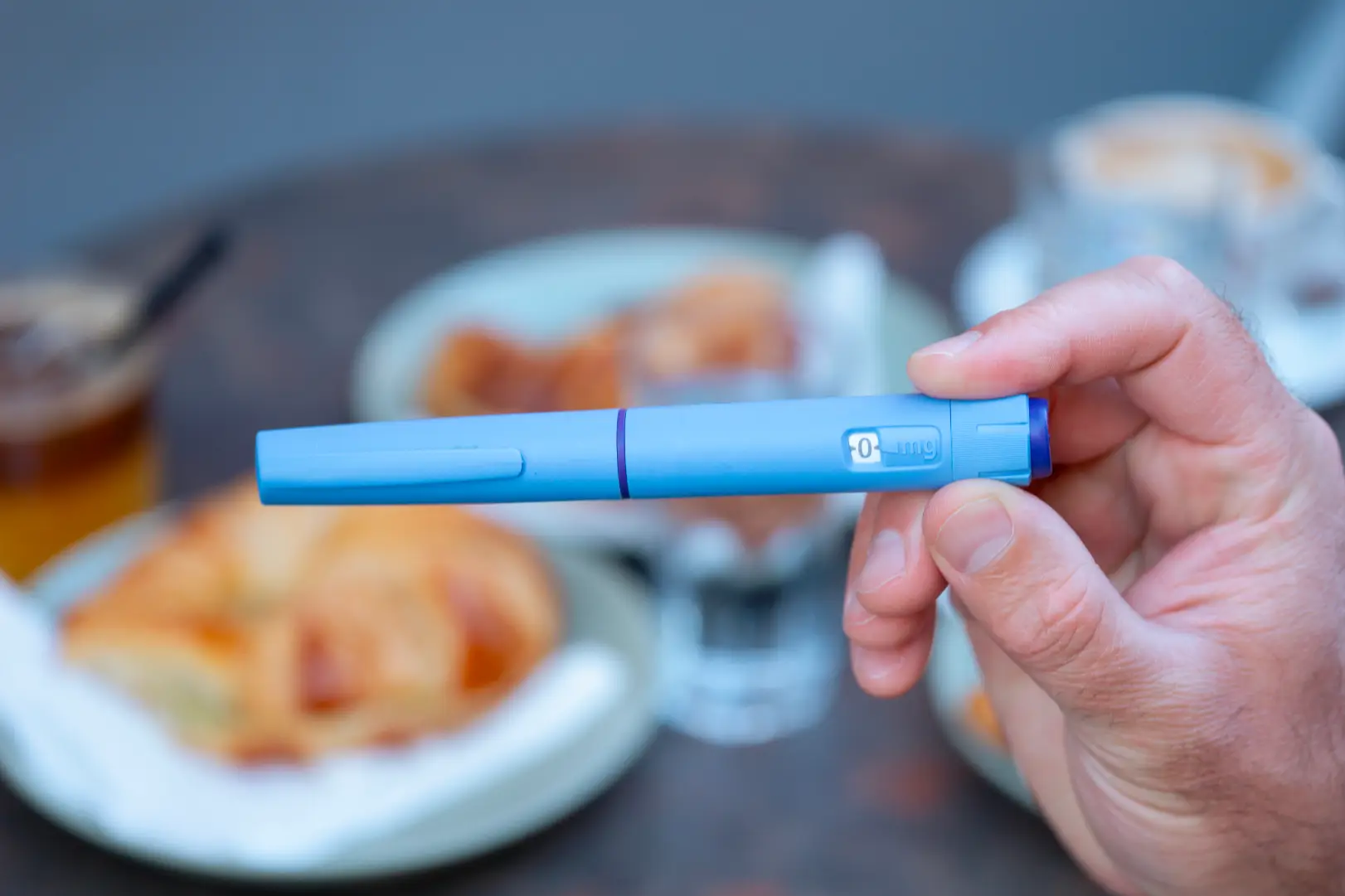
You should understand the instructions before taking the first dose. Ask your clinician or pharmacist to explain administration, storage, missed doses, and safe disposal of injection supplies.
Wegovy’s injection instructions include starting low and increasing gradually to reduce gastrointestinal side effects. The prescriber can delay escalation when a dose isn’t tolerated. Follow your specific prescription rather than a schedule shared online.
Ask for a demonstration when using an unfamiliar device. Explain the steps back to the clinician so unclear details surface before you’re at home with medication in hand.
Don’t improvise dose conversions, split injections, or restart after an interruption without guidance. Your instructions should match the product you’ve actually received. Keep the written plan accessible, and ask whom to contact if the label and your visit instructions don’t seem to match.
9. Keep Follow-Ups Meaningful
Your care shouldn’t end when the prescription reaches the pharmacy. Agree on when you’ll check in and what information your clinician wants between appointments.
HHS describes remote chronic-condition care as including medication discussions, health measurements, activity, and nutrition. Ask which details to record:
- Treatment response: Note weight trends and progress toward the goals you set together.
- Tolerance: Record nausea, bowel changes, difficulty eating, or other new symptoms.
- Practical problems: Report missed doses, refill delays, or difficulty following instructions.
Bring up what isn’t working in ordinary life, not just what the scale says. The NIDDK emphasizes that medication complements healthy eating and physical activity, rather than replacing them. Discuss how those habits fit your schedule and preferences. Arrange the next review before a refill becomes urgent.
10. Know When to Seek Local Care
An online message isn’t the right response to every symptom. Before starting, ask how urgent concerns are handled and which symptoms require immediate care.
The Zepbound medication guide warns about pancreatitis and serious allergic reactions. Stop treatment and seek urgent assessment for severe, persistent abdominal pain. Call 911 for breathing trouble or swelling of the tongue or throat rather than waiting for a portal reply.
For planned procedures, tell your surgical and anesthesia team about GLP-1 use. Delayed stomach emptying can affect anesthesia safety. Follow the team’s individualized instructions; don’t assume every patient must stop treatment beforehand.

Bring Care Within Reach
Telehealth semaglutide care should make a medical conversation easier to access, not make it less thorough. You deserve clear instructions and someone to contact when questions arise.
Schedule a consultation with Duluth Med Spa in Duluth, MN, to discuss its telehealth weight management services, your eligibility, and available treatment options. Confirm availability in your state, then talk through the evaluation and follow-up process before deciding on your next step.
Get in touch with us today!
References
U.S. Food and Drug Administration. FDA’s Concerns with Unapproved GLP-1 Drugs Used for Weight Loss.
U.S. Department of Health and Human Services. Getting Started With Licensure and What Are Different Types of Telehealth?.
U.S. Department of Health and Human Services. Helping Patients Prepare for Their Telehealth Appointment and What Should I Know Before My Telehealth Visit?.
National Institute of Diabetes and Digestive and Kidney Diseases. Prescription Medications to Treat Overweight & Obesity.
U.S. Department of Health and Human Services. Planning Your Telehealth Workflow.
DailyMed, U.S. National Library of Medicine. Wegovy Injection: Prescribing Information, April 2024; and Wegovy: Current Manufacturer Prescribing Information, June 2026.
DailyMed, U.S. National Library of Medicine. Zepbound: Prescribing Information and Medication Guide, August 2026.
U.S. Department of Health and Human Services. How Do I Pay for Telehealth?.
U.S. Food and Drug Administration. Considering an Online Pharmacy?.
U.S. Department of Health and Human Services. How Can I Use Telehealth to Manage Chronic Conditions?.
American Society of Anesthesiologists. Multi-Society GLP-1 Guidance Before Surgery. October 2024; updated February 2025.