
A tattoo can represent a meaningful chapter in life, but not every chapter lasts forever. What once felt like the perfect design, name, symbol, or artistic expression may no longer reflect who you are today. For some people, the decision to remove a tattoo is personal. For others, it is professional, aesthetic, or simply about creating space for something new.
The good news is that modern laser tattoo removal has transformed the way unwanted ink is treated. Advanced laser technologies can significantly reduce or eliminate many tattoos without surgery, making the process safer and more effective than ever before. However, one question continues to surface among patients considering treatment: Does laser tattoo removal work on every skin type?
The answer is more nuanced than a simple yes or no. Skin tone, ink color, tattoo age, placement, and individual healing responses all influence results. Understanding these factors can help patients approach treatment with realistic expectations and greater confidence.
Continue reading to learn how skin type and ink color affect laser tattoo removal and what you should know before beginning your journey.
Understanding Laser Tattoo Removal
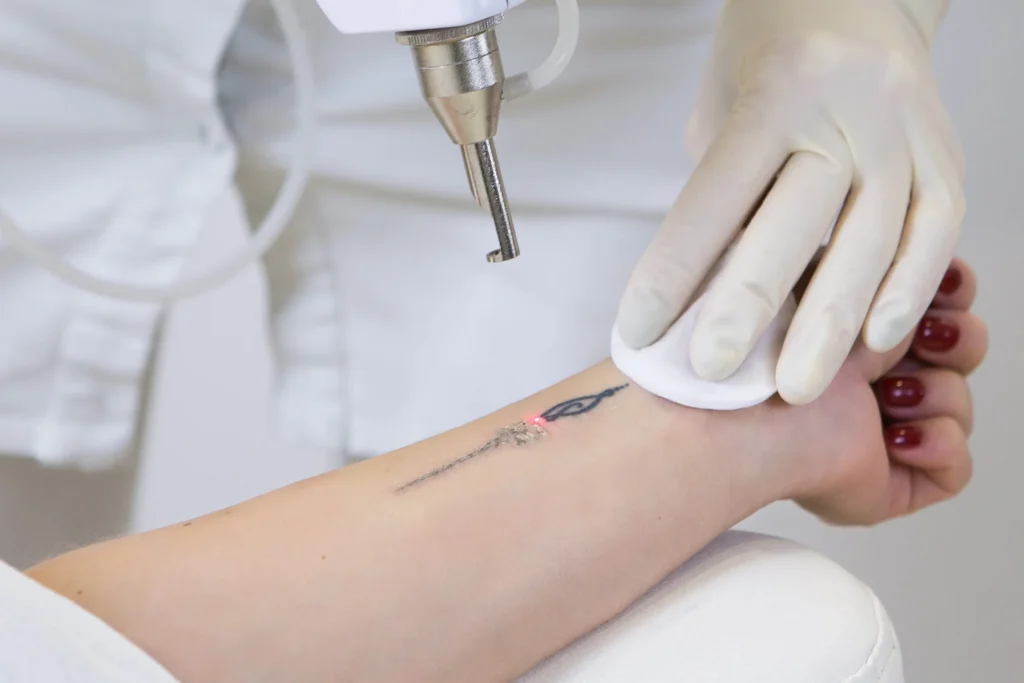
Before discussing skin types and ink colors, it is helpful to understand how laser tattoo removal works. Laser tattoo removal with Discovery Pico® uses specialized laser energy to target tattoo pigment beneath the skin.
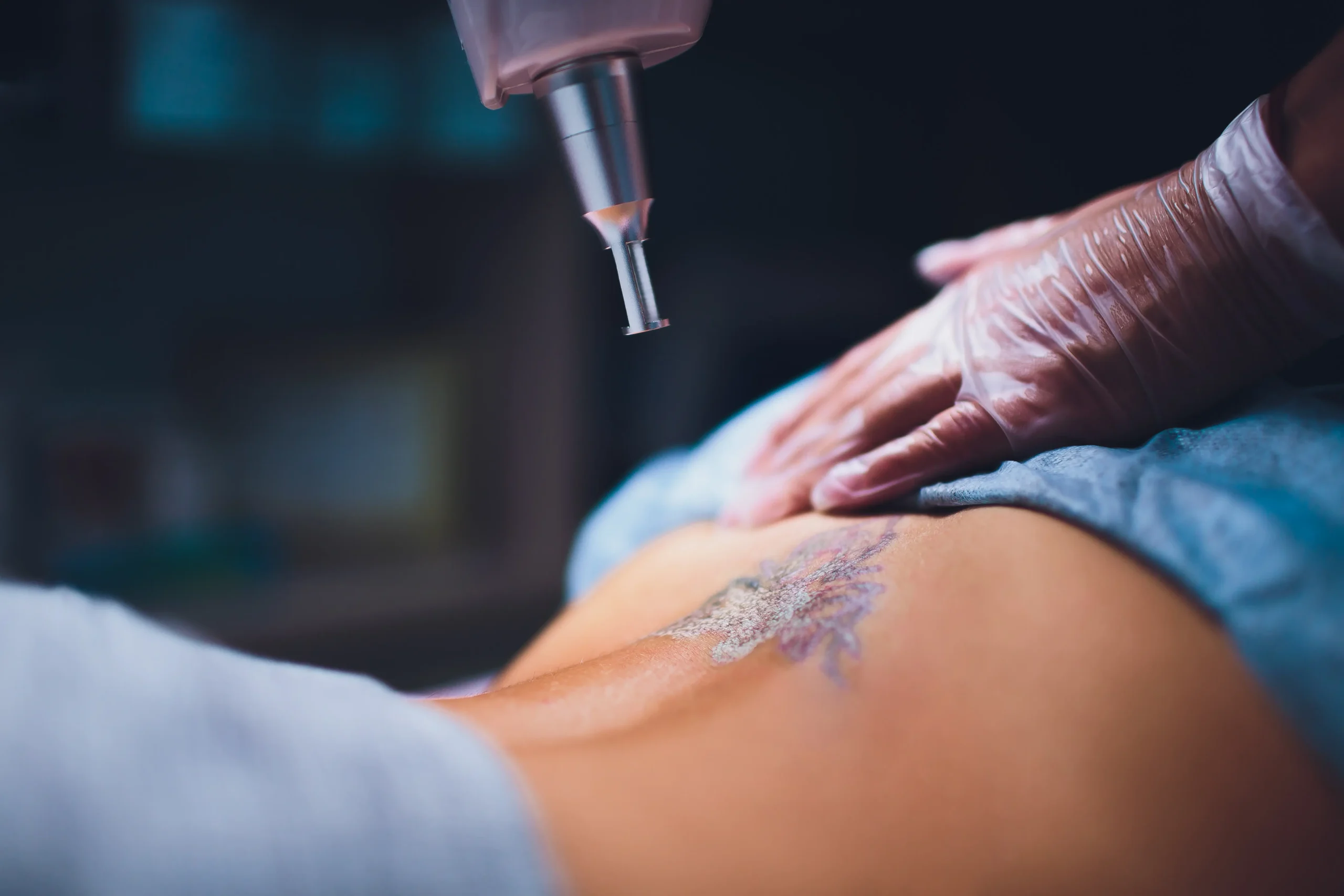
The laser delivers concentrated pulses of light that break larger ink particles into smaller fragments. Once these particles are shattered, the body’s natural immune system gradually removes them over time.
Unlike older removal methods that could damage surrounding tissue, modern laser technology focuses on the tattoo pigment itself while minimizing disruption to nearby skin. While the process is highly effective, treatment success depends on multiple variables, including the patient’s skin type.
Does Laser Tattoo Removal Work on All Skin Types?
The short answer is yes. Modern laser tattoo removal can be performed on all skin types. However, treatment planning becomes increasingly important as skin tone changes.
Providers often use the Fitzpatrick Skin Type Scale to classify skin based on its natural pigmentation and response to sun exposure. This system ranges from very fair skin to deeply pigmented skin tones.
Different skin types absorb laser energy differently, which is why customized treatment settings are essential. Patients with lighter skin tones often have greater contrast between the tattoo pigment and surrounding skin, making certain treatments more straightforward. However, advances in laser technology have dramatically improved outcomes for patients with darker skin tones as well.
Today, successful Fitzpatrick skin type tattoo removal relies on selecting the appropriate wavelength, energy settings, and treatment intervals rather than applying a one-size-fits-all approach. The key is working with experienced providers who understand how to safely tailor treatment based on individual skin characteristics.
What Influences Your Results?
1. Skin Type Matters
One of the most important considerations during laser tattoo removal is the amount of melanin present in the skin. Melanin is the pigment responsible for skin color. Because laser devices interact with pigment, they must distinguish between tattoo ink and naturally occurring skin pigmentation.
Patients seeking laser tattoo removal for light skin often benefit from strong contrast between tattoo pigment and surrounding tissue. This contrast allows providers to aggressively target the ink while minimizing impact on the skin itself.
For patients with darker complexions, treatment remains highly achievable but requires additional precision. Providers must carefully select laser wavelengths that target tattoo pigment without affecting surrounding melanin. This is why personalized consultations remain essential before beginning treatment.
2. Darker Skin Requires Specialized Planning
One of the biggest misconceptions surrounding tattoo removal is that darker skin cannot be treated safely. That belief is outdated.
Modern technology has significantly expanded options for laser tattoo removal for dark skin in Duluth and other communities. Advanced laser systems are capable of targeting tattoo pigment while minimizing the risk of unwanted pigmentary changes.
That said, darker skin tones require careful assessment and customized treatment parameters. Providers may use different laser wavelengths, adjust treatment intensity, and space sessions appropriately to support optimal healing.
The goal is not simply removing the tattoo. The goal is achieving removal while maintaining healthy, even-looking skin throughout the process.
3. Ink Color Changes Everything
While skin type is important, ink color is often equally influential. Different pigments absorb laser energy differently. Some colors respond exceptionally well to treatment, while others can require additional sessions and specialized wavelengths.
Understanding this relationship helps explain why treatment timelines vary so significantly from one tattoo to another.
4. Black Ink Is Usually the Easiest
Black tattoo ink tends to absorb laser energy extremely effectively. Because black pigment absorbs multiple wavelengths of light, it is often the most responsive color during treatment.
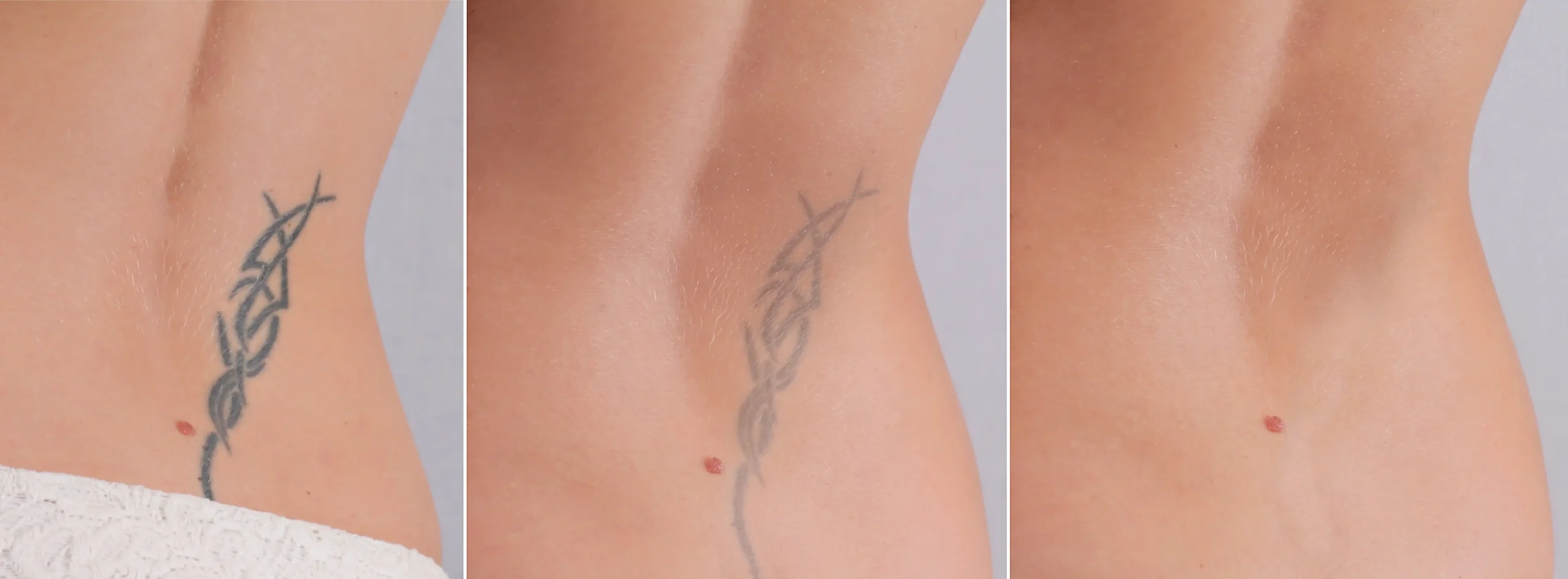
Patients with black or dark gray tattoos frequently experience noticeable fading relatively early in the removal process.
This does not mean black tattoos disappear immediately. Multiple sessions are still necessary. However, black pigment is generally considered one of the most predictable colors to treat.
5. Colored Tattoos Require More Strategy
When discussing tattoo removal for all ink colors, it is important to recognize that each pigment presents unique challenges. Certain colors absorb laser wavelengths more effectively than others. Blue and dark green inks often respond reasonably well to treatment.
Lighter colors such as yellow, turquoise, fluorescent pigments, and certain shades of green can be more resistant. This does not mean these colors are impossible to treat. It simply means removal may require additional sessions, specialized laser wavelengths, or a longer overall treatment timeline.
Patients seeking tattoo removal for colored ink in Minnesota often benefit from a consultation that evaluates each color separately rather than treating the tattoo as a single entity.
6. Tattoo Age Makes a Difference
Many patients assume newer tattoos will be easier to remove because they are fresher. Interestingly, the opposite is often true. Over time, the body naturally breaks down and disperses small amounts of tattoo pigment. Older tattoos frequently appear softer or slightly faded even before treatment begins.
Because some natural fading has already occurred, laser sessions may progress more efficiently compared to very dense, recently applied tattoos. This does not mean every older tattoo disappears quickly, but age often contributes positively to the removal process.
Location Affects Removal Speed
Tattoo placement can influence how quickly fragmented ink particles are removed. Areas with stronger circulation often heal and clear pigment more efficiently than areas with limited blood flow.
Tattoos located on the upper body may respond differently from tattoos located on the hands, feet, ankles, or lower legs. The body’s immune system is responsible for carrying away shattered ink particles after each treatment session.
Regions with better circulation tend to support this process more effectively. This is one reason treatment timelines vary from patient to patient.
FAQs
Can laser tattoo removal be performed on darker skin?
Yes. Modern laser tattoo removal can be used across a wide range of skin tones. Darker skin requires carefully selected wavelengths and treatment settings because the laser must target tattoo pigment while limiting unnecessary interaction with the skin’s natural melanin.
Which tattoo colors are easiest to remove?
Black and dark pigments generally respond well because they absorb laser energy effectively. Colors such as green, blue, yellow, turquoise, and other lighter pigments may require different wavelengths or additional treatments.
How many laser tattoo removal sessions will I need?
There is no universal number. The tattoo’s size, color, depth, age, location, and your body’s response all influence the treatment timeline. Sessions are typically spaced apart to give the skin time to heal and the body time to clear fragmented ink.
How long should I wait between tattoo removal sessions?
Duluth Med Spa typically recommends approximately six to eight weeks between Discovery Pico® treatments. This interval gives the body time to process fragmented tattoo pigment before another session.
Are older tattoos easier to remove?
They can be. The body naturally breaks down small amounts of tattoo pigment over time, so an older tattoo may already have some fading before laser treatment begins. However, ink type, color, depth, and placement still affect how quickly it responds.
Can I fade a tattoo instead of removing it completely?
Yes. Laser treatment can be used for complete removal, partial removal, or simply fading an existing tattoo before a cover-up. Specific portions of a tattoo may also be targeted depending on your goals.
Does laser tattoo removal leave scars?
Modern picosecond technology is designed to target ink while limiting damage to surrounding tissue. However, every laser procedure carries potential risks, so appropriate settings, aftercare, skin type, and provider experience remain important considerations.
A Fresh Start Begins with Knowledge
Modern laser tattoo removal has made it possible for patients of virtually every skin type to safely pursue tattoo fading or removal. While factors such as skin tone, ink color, tattoo age, and placement influence the treatment process, today’s advanced technologies offer more flexibility and customization than ever before. Understanding these variables allows patients to make informed decisions and approach treatment with confidence.
At Duluth Med Spa in Duluth, MN, patients receive personalized evaluations designed to create treatment plans tailored to their unique skin characteristics and tattoo goals. Through advanced laser technology, thoughtful care, and individualized guidance, the practice helps patients move closer to the fresh start they envision, one session at a time.
Call us today to schedule your consultation!