


Menopause can change the body in ways that feel frustrating, unfamiliar, and deeply personal. Weight gain, sleep disruption, low energy, slower recovery, mood shifts, and stubborn body composition changes can make women feel like their usual routines stopped working overnight.
That is why more patients are exploring peptide therapy. This treatment may support recovery, hormone-related wellness goals, and long-term vitality when guided by a qualified provider.
Keep reading to learn what Duluth women are asking, what these therapies may support, and why personalized care matters.
What Are Peptides?
Peptides are short chains of amino acids that act like messengers in the body. Some peptides are naturally produced, while others are created for therapeutic or research purposes. In wellness and aesthetic medicine, peptide therapy is often discussed for goals related to recovery, healthy aging, metabolism, muscle support, sleep, skin quality, and hormone-related changes.
Some commonly discussed options include BPC-157 and Sermorelin. BPC-157 is often marketed around recovery, tissue support, and inflammation-related wellness, though it is important to know that BPC-157 is not FDA-approved, and safety and effectiveness have not been thoroughly evaluated in humans.
Sermorelin therapy is different. Sermorelin is commonly discussed as one of the growth hormone-releasing peptides because it may encourage the body’s own growth hormone signaling pathway. For women dealing with menopause-related fatigue, muscle loss, sleep changes, and body composition shifts, that mechanism is part of why the conversation has become so popular.
The responsible takeaway is simple: peptide therapy in Duluth, MN, should be personalized, medically guided, and never treated like a casual online supplement trend.

Why Women Are Paying Attention
Women are not exploring menopause symptom relief peptides because they want another trendy shortcut. They are looking for answers to changes that affect daily life, confidence, and long-term wellness.
Menopause is officially diagnosed after 12 months without a menstrual period, and symptoms may include hot flashes, sleep disruption, lower energy, mood changes, and vaginal or urinary changes. While hormone therapy remains one established option for certain menopause symptoms, not every woman wants the same plan, qualifies for the same care, or has the same goals.
That is where peptide conversations often begin: not as a replacement for medical care, but as part of a broader discussion about feeling stronger, clearer, more rested, and more in control again.
1. Energy Feels Less Random
One of the most common menopause complaints is unpredictable energy. Some women wake up tired even after sleeping. Others feel fine in the morning, then crash by mid-afternoon. This can affect workouts, work performance, motivation, and mood.
Peptide therapy may appeal to women because certain peptides are discussed in relation to cellular repair, recovery, and hormone signaling. Sermorelin therapy, in particular, is often connected to the body’s natural growth hormone pathway, which plays a role in tissue repair, lean muscle maintenance, and recovery.
This does not mean every patient will experience the same energy changes. It does mean women are looking for support beyond caffeine, willpower, and pushing through exhaustion. A provider can help determine whether fatigue may be tied to menopause, thyroid issues, sleep quality, nutrition, medications, anemia, insulin resistance, or other factors before recommending a plan.
2. Recovery May Feel More Supported
Before menopause, many women could push through a workout, bounce back from soreness, and maintain strength with fewer issues. During and after menopause, recovery can feel slower. Muscles may ache longer, joints may feel stiffer, and progress in the gym may feel harder to maintain.
This is one reason BPC-157 benefits get so much attention in wellness conversations. BPC-157 is often promoted for tissue repair and recovery support, although patients should understand that it remains an unapproved drug with limited human safety data.
A careful provider will not treat BPC-157 like a magic recovery shot. Instead, they may discuss the full picture: inflammation, sleep, hydration, strength training, protein intake, injury history, and whether peptide therapy is appropriate.
For women who feel like their bodies no longer repair as efficiently, that type of evaluation can feel validating.
3. Weight Management Gets More Strategic
Midlife weight gain can feel unfair because many women are doing the same things they have always done, yet the results change. Hormonal shifts can affect hunger, cravings, sleep, muscle mass, insulin sensitivity, and where fat is stored.
Peptide therapy may enter the discussion when women also want support for recovery, body composition, sleep, or vitality. It also supports other wellness goals depending on the patient’s needs.
The plan should not be copied from social media. It should be built around lab work, symptoms, goals, safety, and follow-up. For women seeking hormone balance peptides, the biggest value is not hype. It is personalization.
4. Muscle Becomes a Bigger Priority
Menopause can make muscle maintenance harder, and muscle matters more than many patients realize. Muscle supports metabolism, strength, posture, balance, mobility, and body shape. When muscle declines, weight management may become more difficult, and the body may feel softer even if the scale does not change dramatically.
Growth hormone-releasing peptides like Sermorelin are often discussed because growth hormone signaling is connected to tissue repair and body composition. For some women, Sermorelin therapy may be part of a larger plan focused on maintaining lean mass, improving recovery, and supporting healthy aging.
Still, peptides are not a replacement for strength training. They work best within a plan that includes protein, resistance exercise, sleep support, and realistic lifestyle changes. The peptide may support the process, but the habits still shape the result.
5. Sleep Quality Gets Attention
Sleep disruption is one of the most frustrating menopause symptoms because it affects everything else. Poor sleep can increase cravings, lower patience, reduce workout recovery, and make weight management feel nearly impossible.
Some women exploring peptide therapy for menopause support are really looking for help with the cascade that begins when sleep falls apart. If a patient is waking up throughout the night, experiencing hot flashes, or struggling with stress-related insomnia, the plan needs to address those root contributors.
Peptides may be one piece of a broader wellness approach, but sleep should never be treated casually. A provider may also evaluate hormones, stress, alcohol use, caffeine timing, blood sugar swings, and sleep disorders. Better sleep often becomes the foundation for better energy, appetite control, and emotional resilience.
6. Skin and Aging Concerns Feel Connected
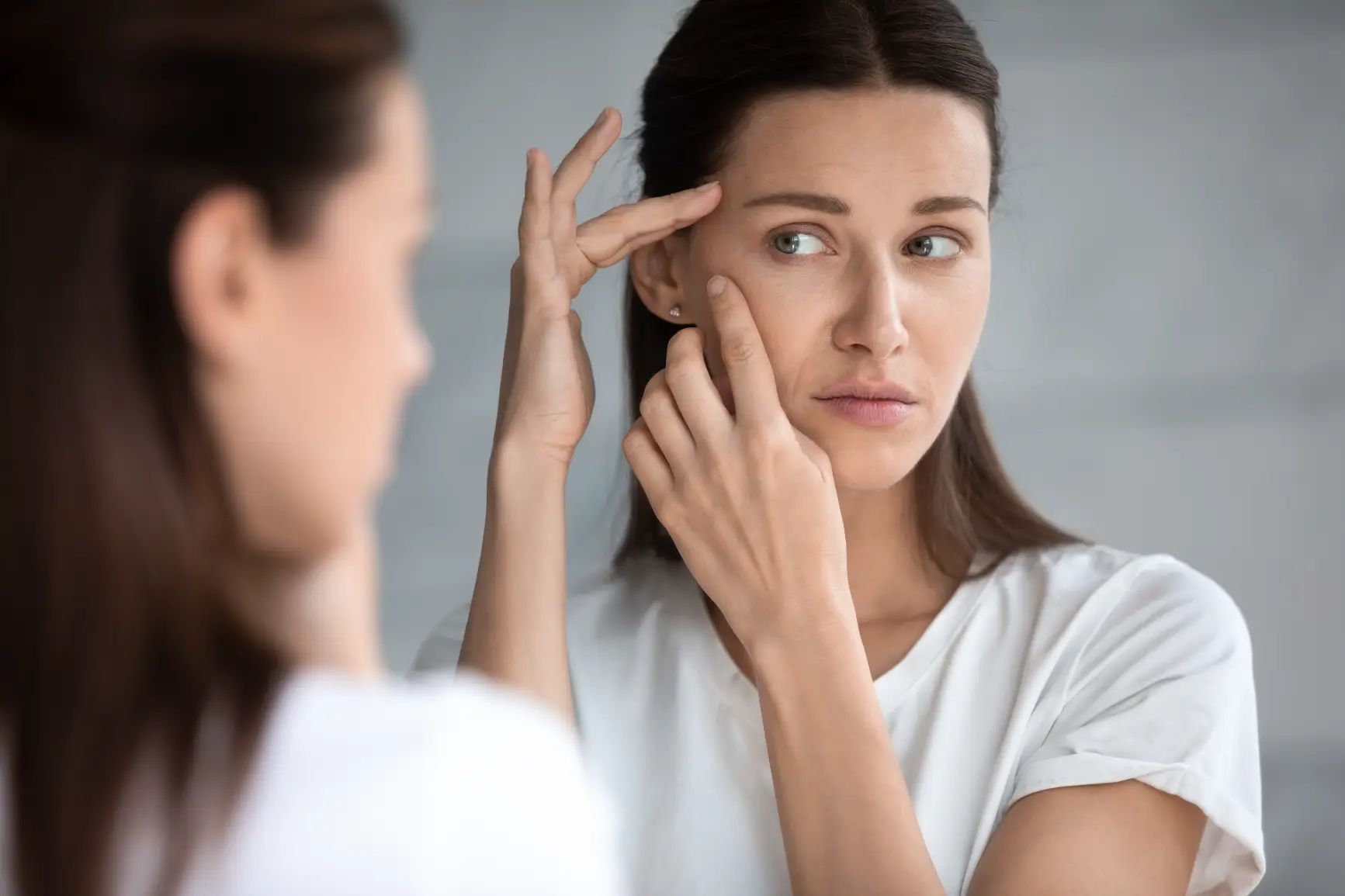
Menopause can affect skin texture, elasticity, hydration, and firmness. As estrogen changes, collagen support may decline, and patients may notice thinner skin, dryness, or a less vibrant complexion.
This is one reason peptide therapy overlaps with aesthetics. Women are not only asking about weight and energy. They are asking how to support skin, hair, muscle, recovery, and vitality together.
Certain peptides are marketed for tissue repair and healthy aging, but the quality of the product and the appropriateness of treatment matter. Patients should avoid online peptide products that lack medical oversight, clear sourcing, and proper evaluation. The FDA has also identified certain bulk drug substances used in compounding as potentially presenting significant safety risks, which is why regulated care matters.
A polished midlife plan should feel safe, thoughtful, and clinically grounded.
7. Brain Fog Becomes Part of the Plan
Many women describe menopause brain fog as one of the most disruptive symptoms. It can feel like losing sharpness, struggling to focus, forgetting words, or needing more effort to stay organized.
Peptide therapy is sometimes discussed in the broader context of mental clarity and vitality, but brain fog has many possible contributors. Sleep disruption, stress, hormone changes, nutrition, medications, and mood changes can all play a role.
This is why a professional evaluation matters. Patients deserve more than “try this peptide and see what happens.” They deserve a conversation that looks at the full picture. When women feel heard instead of dismissed, the treatment journey becomes more empowering.
8. Libido and Confidence May Improve Indirectly
Menopause can affect intimacy through dryness, discomfort, lower desire, fatigue, body image changes, and mood shifts. Peptide therapy is not a direct replacement for treatments specifically designed for vaginal health or hormone-related intimacy concerns, but some patients feel that improving energy, sleep, recovery, and body confidence indirectly helps their intimate wellness.
This is an important distinction. Not every menopause concern has the same solution. Some women may benefit from hormone therapy, vaginal treatments, pelvic floor support, peptide therapy, or a combination.
The strongest plan is the one that respects the patient’s real symptoms instead of forcing everything into one category.
A More Informed Next Step
Peptide therapy is becoming part of a bigger menopause wellness conversation for women who want support with weight, energy, recovery, sleep, and body composition.
Duluth Med Spa in Duluth, MN, helps patients explore peptide therapy with a thoughtful approach to midlife wellness, symptom support, and long-term confidence. For women navigating menopause, this is about understanding what support may help the body feel more balanced again.
Contact us today to find out more about how we can help you!


