


Persistent redness, irritation, and skin sensitivity can be frustrating and sometimes confusing. Many individuals experience facial redness that looks similar to other skin conditions, making it difficult to determine the underlying cause. Two conditions that are frequently mistaken for one another are rosacea and psoriasis.
Although these skin conditions share certain visual similarities, they are very different in their causes, symptoms, and treatment approaches. Rosacea often appears as persistent facial redness and flushing, while psoriasis typically presents as thick, scaly patches on the skin.
Fortunately, modern aesthetic medicine offers effective ways to manage rosacea and improve overall skin health. Treatments such as the Aerolase Neo Elite laser and carefully selected chemical peels can help reduce redness and support healthier skin.
These advanced treatments work gently with sensitive skin while addressing the underlying causes of irritation. Understanding the differences between rosacea and psoriasis—and the treatments available—can help patients make informed decisions about their skin care.
Continue reading to learn how these conditions differ and how effective treatment options can restore comfort and confidence.
Understanding Rosacea and Psoriasis
Skin conditions can sometimes appear similar on the surface but differ significantly beneath the skin.
What Is Rosacea?
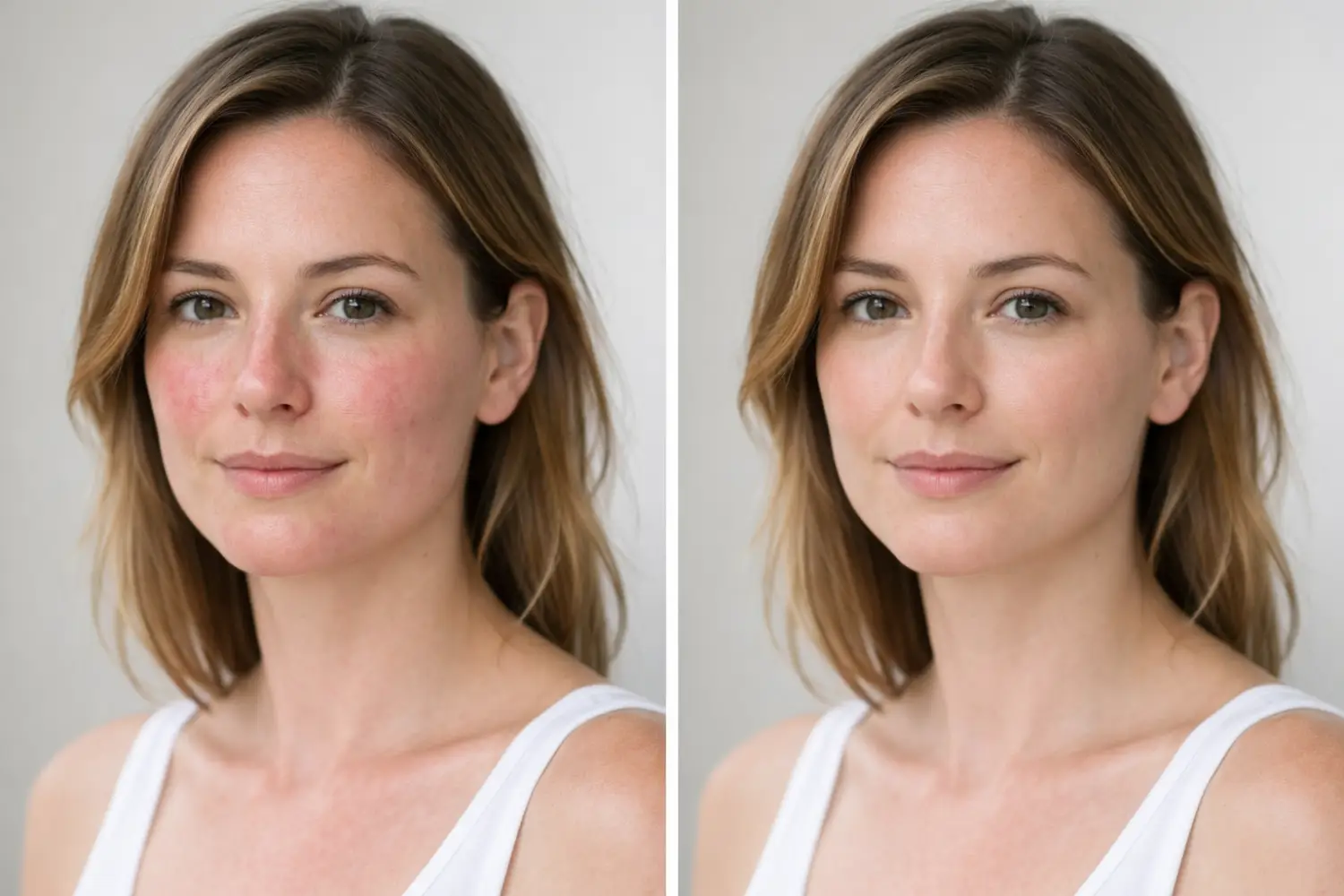
Rosacea is a chronic inflammatory skin condition that primarily affects the face. It commonly causes facial redness, flushing, and visible blood vessels, particularly on the cheeks, nose, forehead, and chin.
Patients with rosacea may also experience:
- Persistent redness
- Small bumps resembling acne
- Sensitive or reactive skin
- Burning or stinging sensations
Rosacea often develops gradually and can worsen without proper care. Many patients find that triggers such as heat, spicy foods, alcohol, stress, or sun exposure can intensify symptoms.
Because rosacea involves sensitive skin and inflammation, treatment often focuses on redness reduction and strengthening the skin barrier.
What Is Psoriasis?
Psoriasis is an autoimmune skin condition that causes the body to produce skin cells more rapidly than normal.
Instead of shedding naturally, excess skin cells accumulate on the surface, creating thick, scaly patches called plaques. These plaques are typically red or pink with a silvery-white scale.
Psoriasis commonly affects areas such as:
- Elbows
- Knees
- Scalp
- Lower back
Unlike rosacea, psoriasis is not limited to the face and often appears on multiple areas of the body. It may also cause itching, irritation, and discomfort.
Because psoriasis is related to immune system activity, treatment typically involves medical therapies that regulate inflammation and skin cell production.
Key Differences Between Rosacea and Psoriasis
Although rosacea and psoriasis can appear similar at first glance, they differ in several important ways.
Rosacea is primarily a vascular condition affecting facial blood vessels and inflammation. Psoriasis, on the other hand, is an autoimmune disorder involving rapid skin cell turnover.
Rosacea typically appears as persistent facial redness and flushing, while psoriasis produces thick plaques and scaling.
Understanding these differences helps guide the most effective treatment approach for each condition.
Treatment Options for Rosacea and Psoriasis
Managing chronic skin conditions often requires a combination of treatments and lifestyle adjustments. Because rosacea and psoriasis have different underlying causes, their treatment strategies can vary.
Below are several approaches commonly used to improve symptoms and support healthier skin.
1. Gentle Skincare Routines
One of the most important steps in managing inflammatory skin conditions is establishing a gentle skincare routine.
Patients with rosacea often benefit from products formulated for sensitive skin care. These products typically avoid harsh ingredients such as alcohol, fragrances, and strong exfoliants.
Using soothing cleansers and hydrating moisturizers helps protect the skin barrier and reduce irritation.
2. Anti-Inflammatory Skincare
Inflammation plays a significant role in both rosacea and psoriasis. Skincare products containing calming ingredients such as niacinamide, aloe vera, and green tea extract can help soothe irritated skin.
These ingredients support anti-inflammatory skincare by reducing redness and strengthening the skin barrier. Regular use of calming products may improve overall skin comfort.
3. Trigger Management
Rosacea symptoms often worsen when certain triggers are present. Common triggers include:
- Heat and sun exposure
- Spicy foods
- Alcohol
- Stress
Identifying and avoiding these triggers can help reduce flare-ups. Patients who track their triggers often experience better long-term control of symptoms.
4. Prescription Medications
Dermatologists sometimes recommend prescription medications to manage rosacea and psoriasis. For rosacea, topical treatments may help reduce inflammation and redness. In more persistent cases, oral medications may be prescribed to control symptoms.
Psoriasis treatments often involve medications that regulate immune system activity and slow skin cell production.
5. Phototherapy and Light-Based Treatments
Light-based therapies are sometimes used to manage inflammatory skin conditions. For psoriasis, controlled ultraviolet light therapy may help slow skin cell turnover and reduce plaque formation.
For rosacea, light-based treatments such as IPL for rosacea may help reduce visible blood vessels and redness. These treatments target the vascular component of rosacea and improve skin tone over time.
6. Chemical Peels for Rosacea Support
Carefully formulated chemical peels may help support rosacea management when performed by experienced professionals.
Unlike aggressive peels, gentle chemical exfoliation removes dead skin cells and promotes healthier skin turnover. This process can improve skin texture and reduce congestion that may worsen inflammation.
When used appropriately, chemical peels can complement other rosacea treatment strategies.
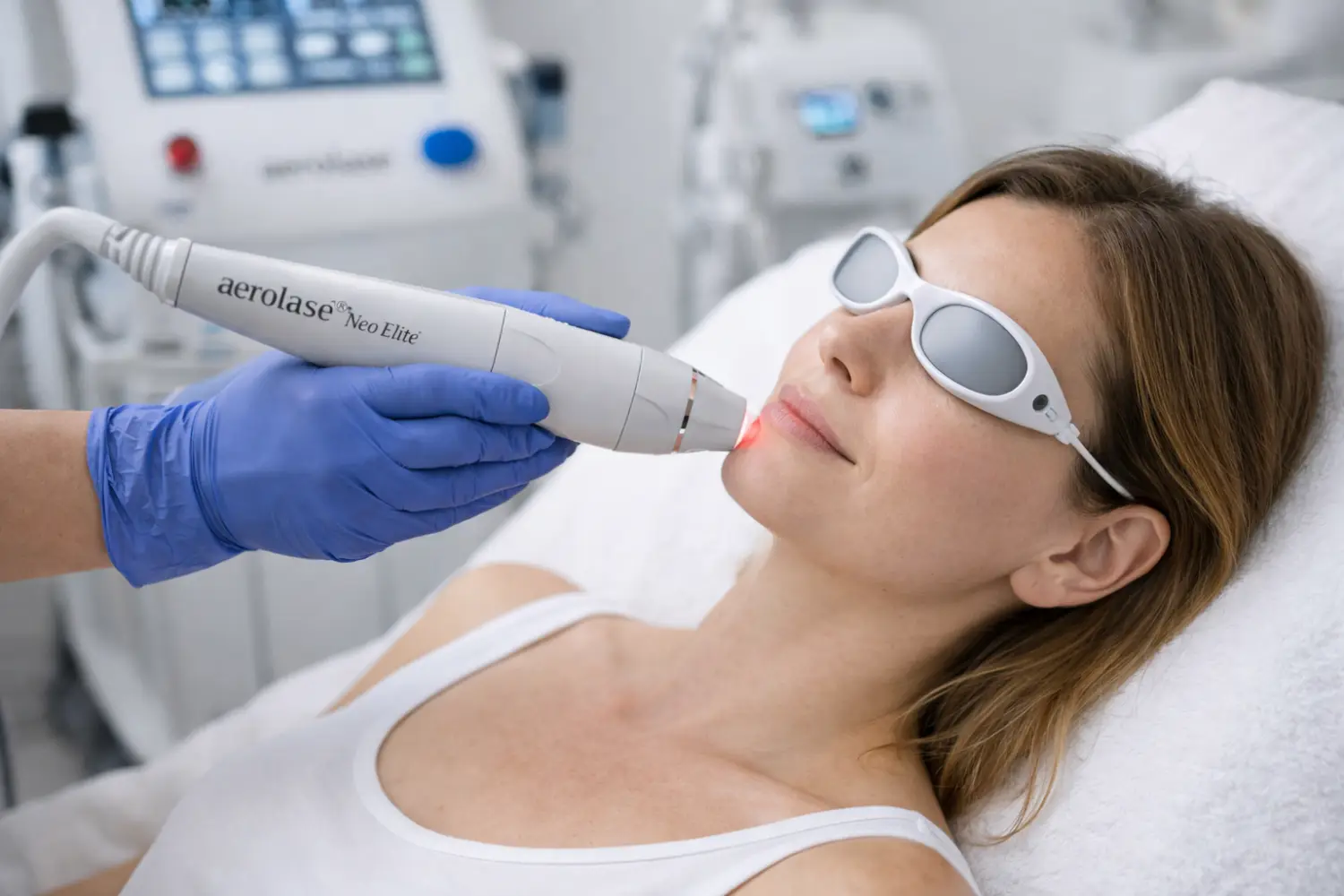
7. Aerolase Neo Elite Laser for Rosacea
Advanced laser technology has become one of the most promising treatments for rosacea. The Aerolase Neo Elite is a state-of-the-art medical laser designed to address a wide range of skin concerns, including rosacea. This innovative device delivers precise energy pulses that target inflammation and redness without damaging surrounding tissue.
Unlike traditional lasers, the Aerolase Neo Elite treatment is gentle and comfortable for patients with sensitive skin. This advanced technology offers several advantages:
- Effective redness reduction
- Minimal discomfort during treatment
- No significant downtime
- Safe for many skin types
At Duluth Med Spa, rosacea is treated using Aerolase Neo Elite laser therapy combined with carefully selected chemical peels. This approach helps calm inflammation while improving overall skin clarity.
Building a Personalized Skin Treatment Plan
No two patients experience rosacea or psoriasis in exactly the same way. Because these conditions vary in severity and symptoms, personalized treatment plans are essential.
A comprehensive treatment plan may include:
- Professional skincare guidance
- Lifestyle adjustments
- Medical therapies
- Laser treatments for redness
Working with experienced skincare professionals helps patients identify the most effective solutions for their individual concerns.
Healthy Skin Begins With the Right Care
Living with rosacea or psoriasis can be challenging, especially when symptoms affect comfort and confidence. Understanding the differences between these conditions—and the treatments available—empowers patients to take control of their skin health.
Finding Relief and Confidence Through Advanced Care
Duluth Med Spa in Duluth, MN, offers advanced rosacea treatment solutions designed to reduce facial redness and improve overall skin clarity. With treatments such as the Aerolase Neo Elite laser and carefully selected chemical peels, patients can experience effective redness reduction while supporting healthier, more balanced skin.
Because when the right treatment meets the right condition, skin can finally begin to look and feel calm again, and that’s exactly what effective rosacea care aims to achieve.
Get in touch with us today to schedule your appointment!


