
Medically Reviewed by Dr. Christopher Delp
You can feel hopeful about semaglutide and still wonder whether treatment fits your budget. Asking about money doesn’t make you less committed to your health. It means you’re thinking about what happens after the first prescription.
There’s no single figure that tells every patient’s story. Your out-of-pocket medication cost depends on the prescription and payment arrangement, while medical care needs its own budget conversation.
Before comparing offers, get clear on what you’re being prescribed and what’s included. These nine considerations will help you ask better questions about semaglutide cost without losing sight of your health.
1. Know Your Prescription
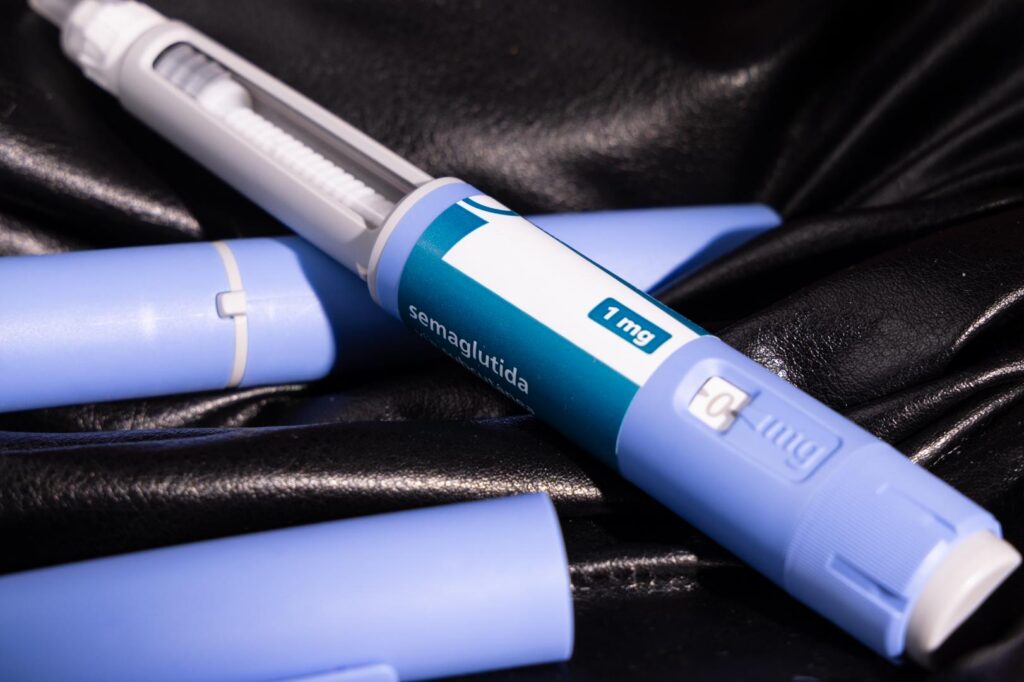
Start with the exact medication, not just the word semaglutide. That name identifies an active ingredient, but it doesn’t fully describe the product you’re being offered.
The National Institute of Diabetes and Digestive and Kidney Diseases lists Wegovy as an FDA-approved medication for long-term weight management. It also explains that medication selection should consider your health history, other medicines, possible side effects, and cost.
Ask your provider to put the product name, formulation, and prescribed amount in writing. A quote becomes more useful when you can see exactly what it covers, rather than trying to compare two advertisements that use the same broad description.
The consultation should also answer a more important question: Is this medication appropriate for you? A purchase option isn’t the same as a medical recommendation. Give yourself permission to understand that distinction before discussing payment.

2. Separate Medication From Care
The medication charge is only one part of the conversation. Ask the practice and pharmacy to explain their charges separately so you can build a complete picture. Request clarification on these items:
- Appointments: Are the initial evaluation and scheduled follow-ups included, or billed separately?
- Testing: Would your provider recommend laboratory work, and who would bill for it?
- Medication and supplies: What quantity is dispensed, and are delivery or administration supplies included?
- Ongoing support: How are refill reviews, additional consultations, and questions between visits handled?
These are questions to ask, not a list of services every patient will need. You shouldn’t assume a charge applies simply because another practice includes it in a package.
Imagine comparing one medication-only offer with another that includes follow-up visits. The headline figures wouldn’t describe the same purchase. Ask for an itemized explanation before deciding which arrangement fits your needs.
Also identify which services are optional. That gives you room to consider them separately rather than agreeing to a bundle you don’t fully understand.
3. Ask About Dose Changes
Your starting dose isn’t necessarily the dose you’ll continue taking. Wegovy’s prescribing information on DailyMed describes gradual increases for the injection to reduce gastrointestinal side effects, with tolerability considered along the way.
For budgeting, ask whether your payment arrangement changes as your prescription changes. Some offers may have conditions tied to the product, strength, or treatment stage, so check the written terms rather than assuming the starting arrangement continues indefinitely.
A higher dose doesn’t automatically tell you what your bill will be. Ask the pharmacy or practice to explain how your particular prescription is charged.
Keep the dosing decision separate from the payment decision. Don’t change the amount or spacing of doses on your own to stretch a prescription; discuss affordability with your prescriber instead. The medication guide directs patients to use Wegovy as their healthcare provider instructs.
4. Understand Compounded Options
A compounded preparation needs its own discussion. It shouldn’t be treated as interchangeable with an FDA-approved product simply because the same ingredient name appears in the description.
The FDA explains that compounded drugs aren’t FDA-approved. They aren’t reviewed by the FDA for safety, effectiveness, or quality before marketing. They may be appropriate when an FDA-approved drug can’t meet a patient’s medical needs or isn’t commercially available.
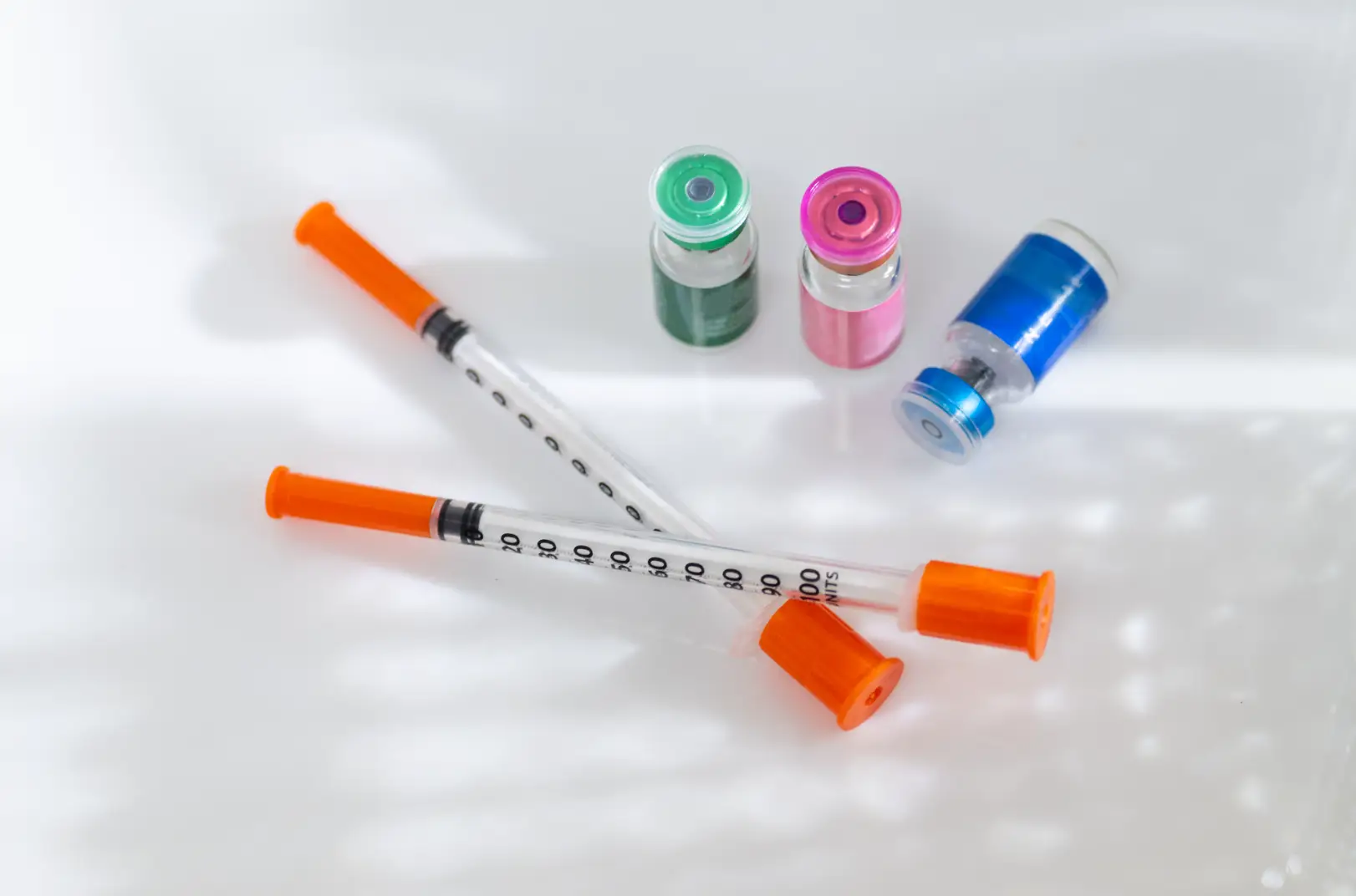
Ask why a compounded preparation is being recommended for you. Also ask which pharmacy prepares it, what the prescription contains, and who will explain how to measure and administer it.
Those instructions matter. The FDA has received reports of dosing errors with compounded injectable semaglutide, including cases requiring hospitalization.
A lower quote doesn’t answer these questions. Before comparing affordability, make sure you understand the medication’s approval status, its source, and the reason your provider considers it appropriate. That information belongs in the decision, not in fine print you discover afterward.
5. Check Legitimate Savings
Paying without insurance doesn’t mean you should skip the savings conversation. It means you need an option that actually matches your circumstances.
Wegovy’s manufacturer provides separate information about self-pay options and commercial-insurance savings. Eligibility and terms apply, so an offer designed for someone with qualifying insurance shouldn’t be assumed to work for an uninsured patient.
Ask the pharmacy to check the current options for your exact prescription. Clarify whether an offer is introductory, whether participation is limited to certain pharmacies, and what happens when its initial terms end.
Get that explanation in writing before arranging refills. A screenshot without the eligibility details doesn’t give you enough information to plan around.
Also ask whether the offer applies only to medication. Don’t assume it covers the prescribing visit, testing, or other clinical services unless those items are specifically included. Keeping those categories separate makes the savings easier to understand.
6. Clarify Your Coverage
Having no insurance and having insurance that doesn’t cover a particular prescription aren’t the same situation. That difference affects which questions are worth asking.
The NIDDK notes that some insurance plans cover weight management medications and others don’t. Patients with a plan should check the specific prescription rather than assuming every medication in this category receives the same decision.
The reason for treatment also deserves an accurate description. The FDA approved Wegovy injection to reduce cardiovascular death, heart attack, and stroke risk in adults with established cardiovascular disease and overweight or obesity. That indication doesn’t apply to everyone considering semaglutide.
An approved indication isn’t a promise of coverage. Ask your insurer to explain any applicable requirements, and ask your provider which medical information is relevant to your case. Don’t build a budget around an assumption that a prescription will be reimbursed.
7. Look for Medical Support
The question isn’t only who writes the prescription. It’s also who evaluates your progress and responds when treatment isn’t going as expected. The Wegovy label lists nausea, vomiting, diarrhea, and constipation among common side effects. It also includes warnings about serious problems such as pancreatitis and gallbladder disease.
Its boxed warning and contraindications deserve attention before treatment. Thyroid C-cell tumors occurred in rodents; whether semaglutide causes these tumors in humans is unknown. Wegovy must not be used with multiple endocrine neoplasia syndrome type 2, a personal or family history of medullary thyroid carcinoma, or a prior serious allergic reaction to its ingredients.
Ask how your provider handles side-effect concerns and when an additional evaluation would be needed. Also clarify whether extra visits carry separate charges. This isn’t a complete safety review.
Discuss your medical history, current medications, and treatment risks with your prescriber rather than relying on an advertisement to establish candidacy.
8. Plan Beyond Month One
A manageable beginning is helpful, but ongoing treatment deserves attention too. Think about how the plan could fit ordinary life after the initial excitement settles. The NIDDK explains that weight management medication may continue long term when it’s helping and side effects remain acceptable. It also notes that weight regain can occur after medication is stopped.
Ask when your progress will be reviewed and how decisions about continuing treatment will be made. You don’t need to predict every future adjustment, but you should understand the review process. Bring up potential changes in your circumstances. What would happen if your budget tightened, your schedule changed, or you needed to discuss another treatment?
A useful plan makes room for those conversations. You deserve to raise an affordability concern before it becomes a reason to miss appointments or quietly change how you take your medication.

9. Read the Payment Terms
Before committing, look at how the arrangement works on paper. Ask about refill authorization, automatic renewals, cancellation deadlines, missed appointments, and refunds for services you haven’t received.
Find out what happens if the clinical evaluation shows that semaglutide isn’t appropriate for you. Clarify any charges before agreeing to a purchase. Keep the written estimate somewhere you can easily find it. It should identify what you’re agreeing to now and distinguish that from services you might choose later.
You can take time to review the details. A decision about medical treatment doesn’t need to happen at the same speed as an online checkout.
Make Your Next Step Personal
Understanding semaglutide cost starts with knowing what treatment involves, not chasing the most appealing offer. Your health goals and your budget both deserve an honest conversation.
Schedule a consultation with us here at Duluth Med Spa in Duluth, MN, to discuss whether semaglutide is appropriate and request a personalized explanation of treatment costs. Bring your questions, including the financial ones, and leave with a clearer understanding of your options.
Call us today!
References
National Institute of Diabetes and Digestive and Kidney Diseases. Prescription Medications to Treat Overweight & Obesity.
DailyMed, U.S. National Library of Medicine. Wegovy (semaglutide) injection: Prescribing Information and Medication Guide.
U.S. Food and Drug Administration. FDA’s Concerns with Unapproved GLP-1 Drugs Used for Weight Loss.
Novo Nordisk. Wegovy Cost and Coverage Information.
U.S. Food and Drug Administration. FDA Approves First Treatment to Reduce Risk of Serious Heart Problems Specifically in Adults with Obesity or Overweight. March 8, 2024.
Duluth Med Spa. Medical Weight Loss Programs.