Medically Reviewed by Dr. Christopher Delp
Summer has a way of leaving souvenirs on the skin that nobody asked for. Months of bright days, outdoor plans, and repeated UV exposure can make brown spots look darker, fine lines more noticeable, and skin texture less even. Sometimes those changes become much easier to see once summer is over and the tan begins to fade.
That makes fall a natural time to think about repairing what summer left behind. CO2 laser resurfacing, including the lighter CoolPeel approach, can address visible sun damage while encouraging fresh collagen remodeling beneath the surface. Even better, autumn typically makes the practical side of laser recovery easier because intense sun exposure becomes simpler to limit.
If your complexion looks a little more weathered than it did before summer started, keep reading. We’ll explain how CO2 technology works and why fall can be such a smart season to put skin renewal back on the calendar.
What Is CO2 Laser Resurfacing?
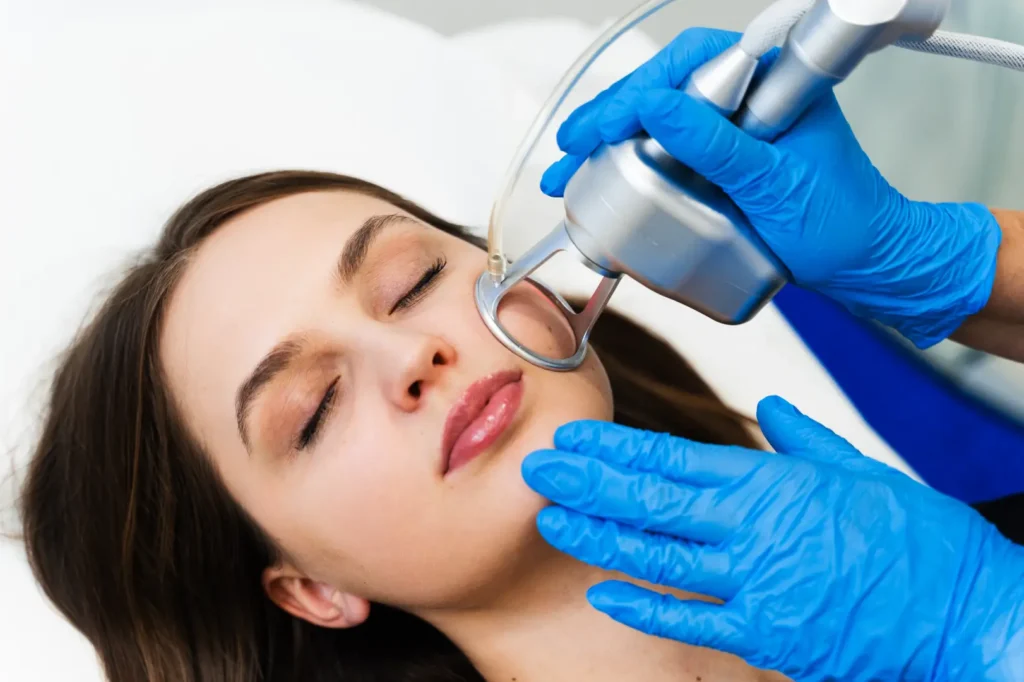
CO2 laser resurfacing uses controlled carbon dioxide laser energy to remove or remodel damaged skin while triggering a natural healing response. As new skin develops and collagen reorganizes, patients may notice improvements in texture, tone, fine lines, and other visible signs of photodamage.
Not every CO2 treatment needs to be equally aggressive. Modern platforms allow providers to adjust treatment depth and intensity according to the concern being addressed and the amount of downtime a patient is comfortable with.
At Duluth Med Spa, Helix is the CO2 platform offered for this purpose. What makes Helix particularly versatile is its ability to combine ablative and non-ablative technologies. Treatment can therefore be customized rather than forcing every patient into the same resurfacing experience.
Options can range from superficial CoolPeel resurfacing to deeper treatments for more established concerns.
A few important things to know include:
- CoolPeel offers a lighter approach. The CoolPeel laser provides superficial CO2 resurfacing designed to improve skin quality with less downtime than traditional aggressive CO2 treatments.
- Treatment depth can be customized. More pronounced wrinkles, textural concerns, or scars may call for a deeper approach.
- It supports collagen remodeling. Fractionated CO2 energy creates controlled treatment zones that stimulate the skin’s repair process.
- It can address multiple concerns. Depending on treatment settings, CO2 resurfacing may improve visible photodamage, roughness, uneven texture, fine lines, and certain scars.
- It isn’t RF microneedling. Helix uses fractionated CO2 laser energy rather than needles delivering radiofrequency energy.
This flexibility matters because “laser resurfacing” can mean very different things depending on the patient’s skin, goals, and treatment plan. Someone wanting a seasonal refresh may not need the same intensity as a patient seeking correction of deeper textural changes.
Why Fall and CO2 Make Sense Together
Choosing a laser isn’t the only decision that matters. Timing can influence how easily patients manage the treatment process, particularly when addressing sun-related concerns.
1. Summer Damage Is Finally Easier to See
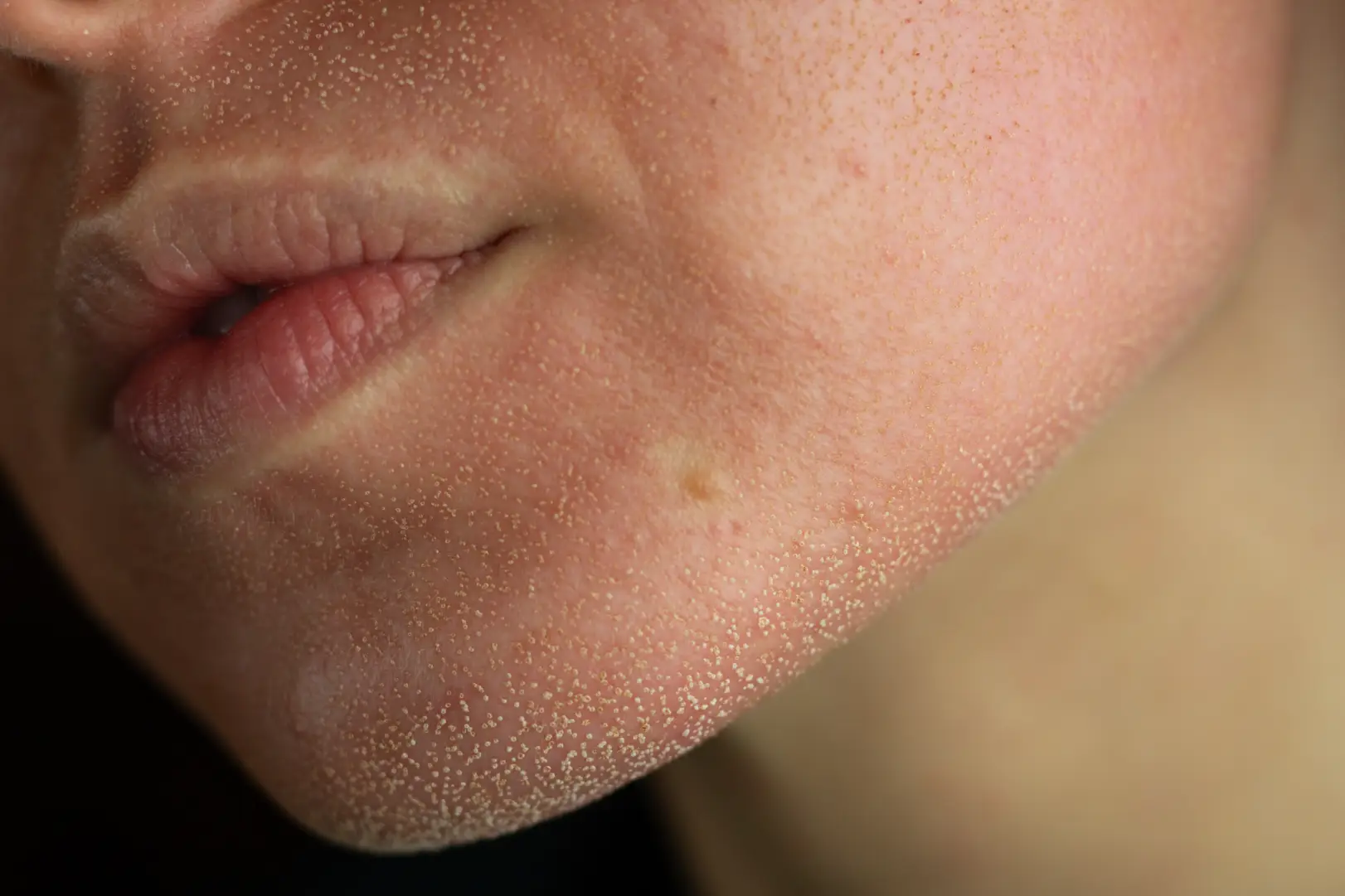
Sun damage doesn’t always announce itself immediately. During summer, a tan can temporarily change how pigmentation looks. Once that tan fades, uneven patches may become much more apparent. Freckles can look darker.
Areas of discoloration may seem more concentrated. Fine lines and roughness can also become easier to notice. This is often when patients begin thinking seriously about a sun damage treatment rather than another temporary brightening product.
UV exposure contributes to changes that extend beyond visible pigment. Over time, it can affect collagen and elastin as well, contributing to fine lines and a less resilient texture. CO2 resurfacing takes a broader approach. Instead of simply making the surface appear brighter for a short period, it creates controlled renewal within the skin.
That makes autumn a useful opportunity to address accumulated changes after a season spent outdoors.
2. Less Intense Sun Makes Aftercare More Manageable
Freshly treated skin deserves protection. After laser resurfacing, the skin can be more sensitive to ultraviolet exposure. Excessive sun during recovery may increase irritation and can contribute to unwanted pigmentation changes. Patients therefore need to take sun protection seriously before and after treatment.
That’s one reason fall laser resurfacing can fit naturally into a skincare calendar. Days gradually become shorter, outdoor activities often shift, and covering treated areas may feel more practical. That doesn’t mean sunscreen becomes optional. UV radiation is present year-round, including on cool or cloudy days.
What changes is how easy it may be to avoid prolonged direct exposure. A patient who spends every summer weekend at the lake may find post-treatment sun avoidance frustrating in July. By October or November, protecting healing skin may fit much more comfortably into everyday life.
3. CoolPeel Offers a Lighter Resurfacing Option
Traditional CO2 resurfacing has earned a reputation for impressive correction, but also for a recovery period that not everyone wants or needs. CoolPeel changes that conversation. The treatment uses CO2 energy in a more superficial manner, allowing providers to target the skin while limiting unnecessary thermal damage to surrounding tissue. This can make it appealing for patients who want meaningful resurfacing but aren’t looking for the downtime associated with more aggressive procedures.
That doesn’t make CoolPeel a “weaker” version of treatment. It means the treatment has a different purpose. Patients with mild photodamage, early textural changes, or fine lines may be better suited to a lighter resurfacing approach. More advanced concerns may require deeper settings or another Helix treatment strategy.
The advantage is choice. Treatment intensity can be matched more closely to the actual condition of the skin.
4. It Can Improve More Than Brown Spots
Summer damage isn’t always a collection of obvious dark spots. Some patients notice that their entire complexion feels rougher. Others see fine lines becoming more pronounced or makeup settling differently. Skin may simply look less clear and polished than it did before months of outdoor exposure.
CO2 laser resurfacing can be useful because resurfacing isn’t limited to one isolated type of discoloration. By stimulating controlled skin renewal, treatment may improve:
- Uneven surface texture
- Fine lines
- Certain areas of pigmentation
- Rough or weathered-looking skin
- Signs of photodamage
- Some types of scars
- Overall skin quality
The appropriate treatment depends on what is actually creating the concern. Pigment, vascular redness, deep wrinkles, and textural irregularities don’t necessarily respond identically. A professional skin assessment helps determine whether CO2 technology is the right tool and how aggressively it should be used.
5. Collagen Remodeling Doesn’t Happen Overnight
One of the most valuable parts of laser resurfacing happens after the appointment is over. Controlled CO2 energy prompts a repair response within the skin. Part of that process involves collagen remodeling. As the tissue heals, changes can continue developing rather than appearing all at once.
That makes fall an appealing starting point for patients thinking ahead. Beginning treatment during autumn gives the skin time to move through its renewal process over the cooler months. Rather than waiting until spring to address concerns, patients can use fall and winter as a period for gradual skin improvement.
The important distinction is that laser treatment isn’t simply polishing away a dull surface. Depending on treatment depth, the process can influence deeper aspects of skin quality as well. That is also why results should be evaluated realistically. Some changes may become noticeable relatively quickly, while collagen-related improvement develops progressively.
6. Fall Makes Recovery Easier to Plan
The best cosmetic treatment is one that realistically fits into your life. Even with a minimal-downtime option, patients should know what to expect after treatment. Temporary redness, sensitivity, dryness, or a rough texture may occur as the skin goes through its renewal process. Deeper resurfacing naturally requires more recovery than a superficial CoolPeel treatment.
Autumn often provides convenient windows for scheduling. Summer vacations may be over. Social calendars can become more predictable before the busiest part of the holiday season. Patients can choose a treatment date that leaves enough time for their skin to settle before important events.
This doesn’t mean everyone should automatically schedule a laser in September. Personal schedules matter just as much as seasons. The better strategy is to work backward from upcoming events and choose an appropriate treatment intensity based on both your goals and available recovery time.
7. It Can Reset a Post-Summer Skincare Routine
Summer skincare often revolves around prevention. Sunscreen, antioxidants, hats, and sensible sun habits are essential, but even diligent patients can finish the season with visible changes. Fall provides an opportunity to shift from primarily protecting the skin to addressing damage that has already surfaced.
A professional resurfacing treatment can become the centerpiece of that reset. Once initial healing is complete, a thoughtful home routine can support the skin between professional treatments. That typically means keeping skincare straightforward, protecting the barrier, and maintaining consistent UV protection.
Patients should also follow individualized instructions regarding active ingredients. Products containing retinoids, exfoliating acids, or other potentially irritating ingredients may need to be paused around treatment. More isn’t always better during recovery. Healing skin often benefits most from simplicity.
Give Summer Damage a Fall Exit
When summer leaves behind rough texture, visible discoloration, or fine lines, fall offers a practical opportunity to shift the focus from sun exposure to skin renewal. With customizable Helix technology and the lighter CoolPeel laser option, CO2 laser resurfacing can be tailored according to both the condition of the skin and the amount of downtime a patient is willing to accept.
At Duluth Med Spa in Duluth, MN, patients can explore a personalized resurfacing plan designed around their skin concerns and seasonal schedule. Fall doesn’t have to be the season when you simply cover summer damage. It can be the season when you finally start addressing it.
Call us today to book your consultation!