
Medically Reviewed by Dr. Christopher Delp
You may feel hopeful about starting a GLP-1 medication and nervous about how you’ll feel on it. Will nausea interrupt your workday? Will dinner become uncomfortable? Those are reasonable questions, and you deserve more guidance than simply being told to push through.
Understanding semaglutide side effects and tirzepatide side effects starts with knowing what’s common, what may help, and when to call for care.
Read on for the practical considerations to discuss with your prescriber. These tips support that conversation; they don’t replace an individualized medical assessment.
1. Know What’s Common.
The medications often grouped under “GLP-1” aren’t identical. The NIDDK’s overview of prescription weight management medications explains that semaglutide acts on GLP-1 pathways, while tirzepatide targets both GLP-1 and GIP pathways involved in appetite regulation.
Nausea, vomiting, diarrhea, and constipation appear in both medications’ labeling. Adult weight management injection trials provide some context:
- Semaglutide: The Wegovy label on DailyMed reports nausea in 44% of patients receiving 2.4 mg weekly, compared with 16% receiving placebo.
- Tirzepatide: The Zepbound label on DailyMed reports nausea in 25%, 29%, and 28% of patients at weekly doses of 5 mg, 10 mg, and 15 mg, respectively. The placebo rate was 8%.
These figures come from separate trials, not a head-to-head comparison. They don’t establish which medication will feel easier for you, and they shouldn’t be applied automatically to other doses or formulations.
2. Make Meals Gentler
Nausea can make an ordinary meal feel like a project. For mild symptoms, consider changing the size and pace of meals before trying to force your usual portion. The Wegovy manufacturer’s nausea guidance suggests discussing these approaches with your healthcare professional:
- Eat smaller meals, chew slowly, and stop when you feel full.
- Choose bland, lower-fat foods, such as toast, rice, or crackers, while queasiness settles.
- Avoid greasy foods and stay upright after eating.
Think of this as a temporary adjustment, not a test of willpower. Tell your prescriber when nausea repeatedly interferes with eating or daily activities. You don’t need to wait until you’re miserable to ask whether your treatment plan needs attention.
3. Replace Lost Fluids
Vomiting and diarrhea deserve attention beyond the inconvenience they cause. The UK medicines regulator warns that GLP-1-related fluid loss can cause dehydration and kidney complications.
Take frequent, small sips rather than trying to drink a large amount at once. For diarrhea, the NIDDK recommends replacing fluids and electrolytes; ask whether an oral rehydration solution is appropriate. Patients with kidney disease, diabetes, or fluid restrictions need individualized advice about the solution and amount.
Contact your clinician promptly if symptoms persist. Get same-day medical care if you can’t keep fluids down or you’re urinating much less than usual. Don’t treat bloody diarrhea or diarrhea with fever as a routine medication adjustment, and ask before using an antidiarrheal medicine.
4. Support Regularity
Constipation calls for a different response than diarrhea. The goal is comfortable, regular bowel movements, not simply adding as much fiber as possible overnight.
The NIDDK’s constipation guidance supports adequate fluids, fiber, and regular physical activity. Start with manageable changes:
- Add fiber-containing foods gradually, based on what you tolerate.
- Drink regularly, following any medical fluid restrictions.
- Make time for gentle movement and respond when you feel the urge to go.
Ask your clinician or pharmacist whether a short-term laxative is appropriate if these steps aren’t enough. Don’t keep escalating home remedies for constipation with constant abdominal pain, vomiting, or an inability to pass gas. The NIDDK identifies these as reasons for immediate medical evaluation.
5. Calm the Heartburn
Heartburn deserves its own plan rather than being dismissed as another upset stomach. Keep track of when it happens, especially after particular foods or late meals.
The NIDDK’s reflux guidance suggests finishing meals at least three hours before lying down when symptoms occur at night. Coffee, alcohol, chocolate, acidic foods, and spicy foods can trigger symptoms in some people, but triggers aren’t identical for everyone.
Bring your notes to your appointment instead of eliminating everything you enjoy. Ask whether a short course of reflux treatment makes sense if meal changes don’t help. Persistent symptoms deserve assessment, not an indefinitely expanding list of foods you’re afraid to eat.
6. Take Fatigue Seriously
Feeling tired or dizzy shouldn’t be brushed aside because you’re pursuing weight loss. Both Wegovy and Zepbound list fatigue among reported reactions, and low blood sugar risk increases when these drugs are combined with insulin or sulfonylureas.
The NIDDK describes shakiness, dizziness, confusion, and a racing heartbeat as possible low-blood-sugar symptoms. Check your glucose if you have a meter and follow your prescribed treatment plan. Severe confusion, fainting, or an inability to swallow calls for emergency help.
Tell your provider about persistent fatigue even without those symptoms. Describe what you’ve eaten and drunk, your other medicines, and how your energy has changed.
7. Notice Skin and Hair Changes
Not every concern involves digestion. The American Academy of Dermatology notes that patients may experience injection-site irritation or increased hair shedding while taking these medications.
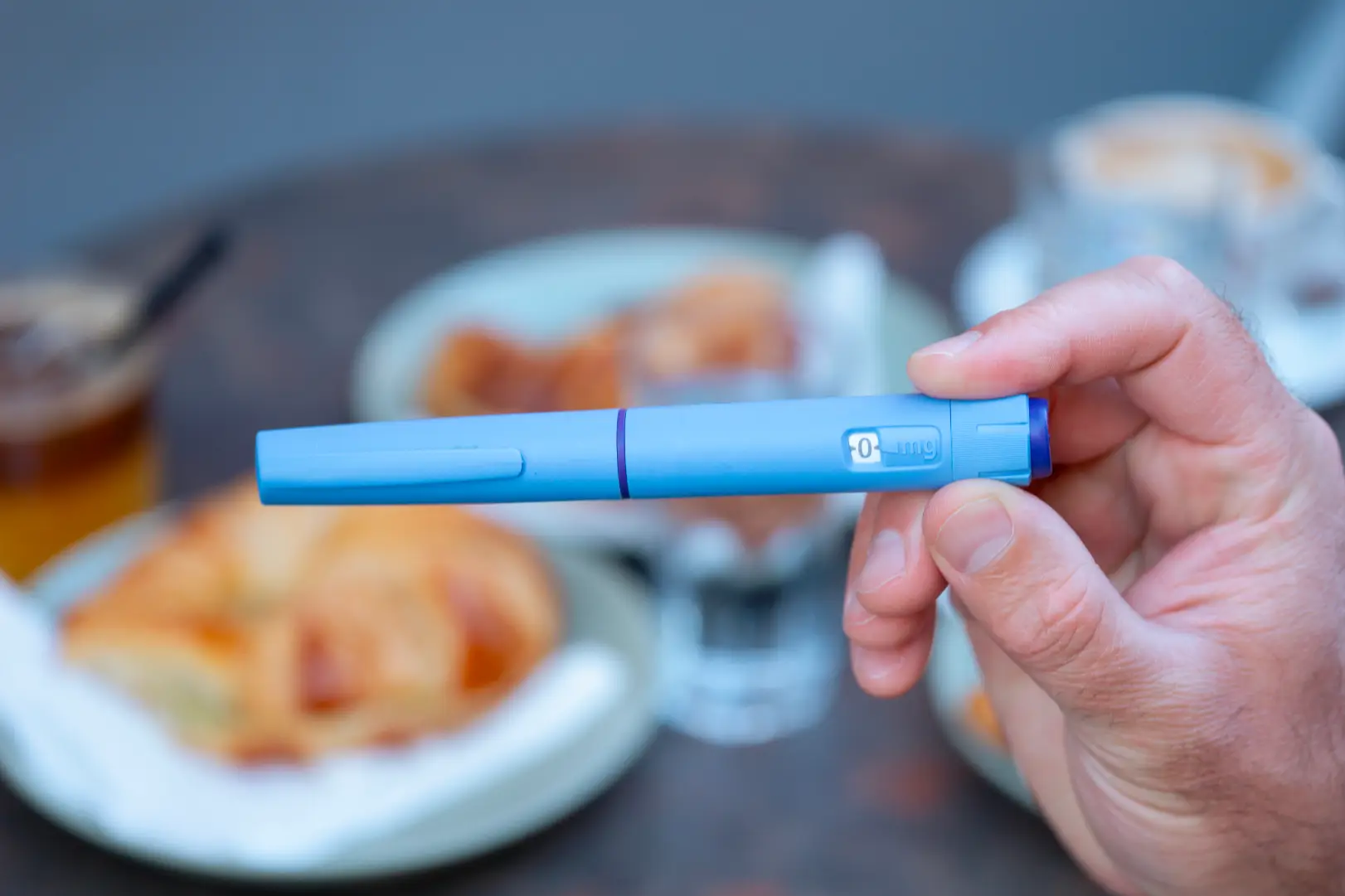
For injections, follow your product’s instructions and rotate the injection site with each dose. Avoid tender, bruised, or damaged skin, and ask your provider to assess irritation that persists or worsens.
Hair shedding needs a little more investigation. Weight loss and reduced nutrient intake may contribute, but the exact role of GLP-1 medications remains uncertain. A dermatologist can help distinguish temporary shedding from other types of hair loss and guide treatment.
Don’t assume a supplement will solve the problem before you’ve discussed possible causes. Tell your provider when shedding began and whether you’ve noticed patches, scalp discomfort, or changes in how much you’re able to eat.

8. Let Your Prescriber Adjust
A scheduled dose increase isn’t something to push through while feeling unwell. Digestive side effects are more likely when treatment starts or the dose increases, so tell your prescriber what’s happening before the next planned step.
The Wegovy dosing instructions allow clinicians to delay escalation when a dose isn’t tolerated. Your clinician can decide whether to adjust treatment or investigate another cause.
Keep a brief record of injection dates, symptoms, bowel movements, and meals. “I felt nauseated after each evening meal for three days” gives your provider more to work with than “I felt off.” Don’t change doses, split injections, or restart after an interruption without instructions.
9. Recognize Urgent Symptoms
Not every symptom belongs in the category of “wait and see.” The Wegovy safety information highlights serious reactions that need prompt attention:
- Severe, persistent abdominal pain: Pain that may extend to your back can signal pancreatitis, with or without vomiting. Stop the medication and seek urgent medical evaluation.
- Upper abdominal pain with fever or jaundice: Yellowing skin or eyes can accompany gallbladder problems. Seek prompt medical care.
- Trouble breathing or swelling of the face, lips, tongue, or throat: Stop treatment and call 911 for a possible serious allergic reaction.
- New vision changes: Contact your clinician promptly, particularly if you have diabetes or a history of diabetic eye disease.
This isn’t an exhaustive list. Symptoms that are severe, worsening, or unfamiliar deserve medical attention rather than reassurance from an online discussion.
10. Review Important Precautions
Some risks need a conversation before treatment begins. The boxed warnings for Wegovy and Zepbound concern thyroid C-cell tumors observed in rodents; whether these drugs cause these tumors in humans is unknown.
Neither medication should be used with a personal or family history of medullary thyroid carcinoma or multiple endocrine neoplasia syndrome type 2. A previous serious allergic reaction to the prescribed drug or its ingredients is also a contraindication.
Discuss pregnancy plans early. Wegovy should be stopped at least two months before a planned pregnancy. Stop weight loss treatment and contact your prescriber if pregnancy occurs.
Tirzepatide can reduce oral hormonal contraceptive effectiveness. Zepbound’s label advises switching to non-oral contraception or adding a barrier method for four weeks after starting and four weeks after every dose increase. Discuss this before treatment, not after a missed period.
11. Speak Up Before Procedures
Tell your surgical and anesthesia team about GLP-1 use before any procedure. Delayed stomach emptying can leave food in the stomach and increase aspiration risk during general anesthesia or deep sedation.
The ASA’s multi-society guidance says most patients can continue treatment before elective surgery. Higher-risk patients may need a liquid-only diet beforehand, an altered anesthesia plan, or a delay. Follow your team’s specific instructions rather than stopping medication on your own.
You Deserve Support
Managing GLP-1 side effects shouldn’t feel like something you have to figure out alone. Your comfort and safety belong in the conversation alongside your weight loss goals.
Schedule a consultation with Duluth Med Spa in Duluth, MN, to discuss semaglutide or tirzepatide, review your health history, and ask how side effects would be addressed. Bring the questions you’ve been holding back, and make an informed plan with your provider.
Contact us now!
References
National Institute of Diabetes and Digestive and Kidney Diseases. Prescription Medications to Treat Overweight & Obesity.
DailyMed, U.S. National Library of Medicine. Wegovy (semaglutide) injection: Prescribing Information and Medication Guide.
DailyMed, U.S. National Library of Medicine. Zepbound (tirzepatide): Prescribing Information and Medication Guide.
Novo Nordisk. Wegovy Side Effects and Nausea Guidance.
Medicines and Healthcare products Regulatory Agency. GLP-1 Receptor Agonists: Reminder of Potential Side Effects.
National Institute of Diabetes and Digestive and Kidney Diseases. Treatment of Diarrhea.
National Institute of Diabetes and Digestive and Kidney Diseases. Treatment for Constipation and Symptoms & Causes of Constipation.
National Institute of Diabetes and Digestive and Kidney Diseases. Eating, Diet, & Nutrition for GER & GERD.
National Institute of Diabetes and Digestive and Kidney Diseases. Low Blood Glucose (Hypoglycemia).
American Academy of Dermatology. How Can GLP-1 Drugs Affect My Skin, Hair, and Nails?.
American Society of Anesthesiologists. Multi-Society GLP-1 Guidance Before Surgery. October 29, 2024; updated February 18, 2025.
Duluth Med Spa. Medical Weight Loss.