
Medically Reviewed by Dr. Christopher Delp
The idea of taking less medication can feel reassuring. Maybe you’re worried about nausea, wondering about long-term treatment, or hoping there’s a gentler way to manage your health. Those concerns deserve a thoughtful conversation, not a one-size-fits-all answer.
GLP-1 micro-dosing isn’t a standardized treatment with an established protocol. Smaller prescribed doses can have a place in clinical care, but that doesn’t make every approach called micro-dosing equally supported.
Keep reading for nine distinctions that can help you separate individualized care from claims that go beyond the evidence.
1. Understand the Term
Start with what someone actually means by micro-dosing. The label alone doesn’t tell you which medication, amount, schedule, or treatment goal they’re discussing.
NewYork-Presbyterian’s explanation of GLP-1 microdosing describes an off-label practice involving fractions of approved doses. The term is also used loosely for lower-dose treatment or less frequent administration. Those differences matter when you’re comparing advice from different sources.
The medications themselves differ. The NIDDK’s prescription medication overview explains that semaglutide targets GLP-1 receptors, while tirzepatide targets both GLP-1 and GIP receptors involved in appetite regulation.
Ask for the exact product and purpose before discussing a dosing approach. “A small amount” isn’t enough information to understand a prescription, and an experience shared online doesn’t establish what would be appropriate for you.

2. Starting Low Isn’t New
A low starting dose doesn’t automatically mean you’re micro-dosing. Standard prescribing already includes gradual increases intended to make treatment more tolerable.
For example, the Wegovy injection prescribing information begins with a lower dose before progressing toward maintenance. It allows clinicians to delay escalation when a dose isn’t tolerated. That flexibility belongs to the labeled treatment plan; it isn’t proof of a separate micro-dosing protocol.
Similarly, the Zepbound label identifies its 2.5 mg weekly starting dose as an initiation dose, not an approved maintenance dose. Its maintenance options depend on the condition being treated and the patient’s response.
Ask whether your provider means slower titration, a lower approved maintenance dose, or an off-label regimen. These are different decisions. Knowing which one is proposed makes the discussion much clearer.
3. Know the Evidence Gap
A promising idea and a proven treatment aren’t the same thing. GLP-1 micro-dosing needs that distinction, even when individual patients describe positive experiences.
A September 2026 commentary in Expert Opinion on Pharmacotherapy discusses possible tolerability and access benefits while emphasizing the lack of high-quality evidence. It isn’t a clinical trial demonstrating that a particular micro-dose safely delivers the same outcomes as established treatment.
That doesn’t establish that every lower dose is ineffective. It means questions about long-term effectiveness, optimal dosing, and safety remain unanswered for the nonstandard regimens being marketed.
The FDA’s explanation of off-label prescribing notes that clinicians may prescribe approved medicines outside their labeling when medically appropriate. However, FDA hasn’t determined safety and effectiveness for that unapproved use. Ask what evidence supports your proposed plan and which uncertainties remain.
4. Who Should Discuss It?
The better question is who might benefit from a careful dose review. There isn’t an established patient group for whom informal micro-dosing is a standard treatment.
For weight management, NIDDK describes typical adult eligibility as a BMI of at least 30, or at least 27 with a weight-related condition. Eligibility still requires an individual assessment, and other diagnoses have their own treatment criteria. Patients already receiving appropriate treatment may have worthwhile reasons to request a review:
- Troubling side effects: Ask whether slower escalation or another treatment would be more suitable.
- Difficulty eating adequately: Describe persistent fullness, skipped meals, or weakness rather than treating them as signs of success.
- A maintenance discussion: Ask how your needs might change after meaningful weight loss.
These are reasons for assessment, not automatic qualifications for micro-dosing. A clinician may recommend a labeled adjustment, a different medication, or further evaluation instead. Your concerns matter even when the answer isn’t a smaller prescription.
5. Maintenance Is Its Own Question
Wanting to maintain progress without unnecessary medication is understandable. Research on reducing an established treatment dose offers a more specific answer than general micro-dosing claims.
The 2026 SURMOUNT-MAINTAIN randomized trial studied adults with obesity or overweight and a weight-related complication who first received tirzepatide for 60 weeks. Participants then continued their maximum tolerated dose, reduced to 5 mg weekly, or switched to placebo for another year.
The reduced-dose group retained more weight loss than the placebo group, but less than patients who continued their maximum tolerated dose. Importantly, 5 mg is an approved Zepbound weight-management maintenance dose, not an experimental tiny starting dose.
The trial was funded by Eli Lilly and involved patients without type 2 diabetes. Participants had already completed an extended period of higher-dose treatment.
This supports a discussion about individualized maintenance. It doesn’t validate arbitrary fractions, extended injection intervals, or the same approach for semaglutide. Your provider should explain how closely a study’s patients and treatment plan match your situation.
6. Question Wellness Promises
Claims about energy, inflammation, and longevity need their own evidence. Benefits demonstrated with a medication in one setting don’t automatically transfer to a much smaller dose in otherwise healthy people.
For example, the FDA approved Wegovy for cardiovascular risk reduction in adults with established cardiovascular disease and overweight or obesity. That approval doesn’t establish a general heart-protection benefit from micro-dosing or extend the indication to everyone seeking preventive wellness treatment.
Cedars-Sinai’s discussion of micro-dosing also cautions against treating unproven wellness claims as established benefits. Ask whether a claim comes from human research using the proposed dose, rather than an unrelated trial or testimonial.
You can be interested in prevention without committing to a prescription. Start by identifying the health problem you want to address and discussing options supported for that particular concern.
7. Smaller Doesn’t Mean Risk-Free
A smaller dose doesn’t cancel the medication’s precautions. Your medical history and other prescriptions still belong in the conversation before treatment changes.
The Wegovy label and Zepbound label list digestive side effects and warnings about pancreatitis, gallbladder disease, and dehydration-related kidney injury. Using less medication doesn’t establish that these risks disappear.
Both carry boxed warnings about thyroid C-cell tumors observed in rodents; the relevance to humans is unknown. Neither should be used with a personal or family history of medullary thyroid carcinoma or multiple endocrine neoplasia syndrome type 2. A prior serious allergic reaction to the prescribed drug or its ingredients is also a contraindication.
Discuss pregnancy plans and any insulin or sulfonylurea use, which can increase low-blood-sugar risk alongside these medicines. For weight management, treatment should be stopped when pregnancy is recognized. Severe, persistent abdominal pain needs urgent assessment; breathing trouble or throat swelling requires emergency help. Don’t dismiss symptoms because the amount seemed small.
For planned pregnancy, Wegovy’s labeling advises stopping at least two months beforehand. Zepbound can reduce oral hormonal contraceptive effectiveness; its label advises non-oral contraception or an added barrier method for four weeks after starting and after each dose increase. Discuss these precautions before changing treatment, rather than assuming a lower dose removes them.
8. Check the Product and Instructions
Micro-dosing describes a dosing approach, not a guarantee about where the medication comes from. Ask whether the proposed product is FDA-approved or compounded.
The FDA’s guidance on unapproved GLP-1 drugs explains that compounded products aren’t FDA-approved and should only be used when a patient’s medical needs can’t be met by an approved drug. Calling a product personalized or micro-dosed doesn’t, by itself, establish that compounding is appropriate.
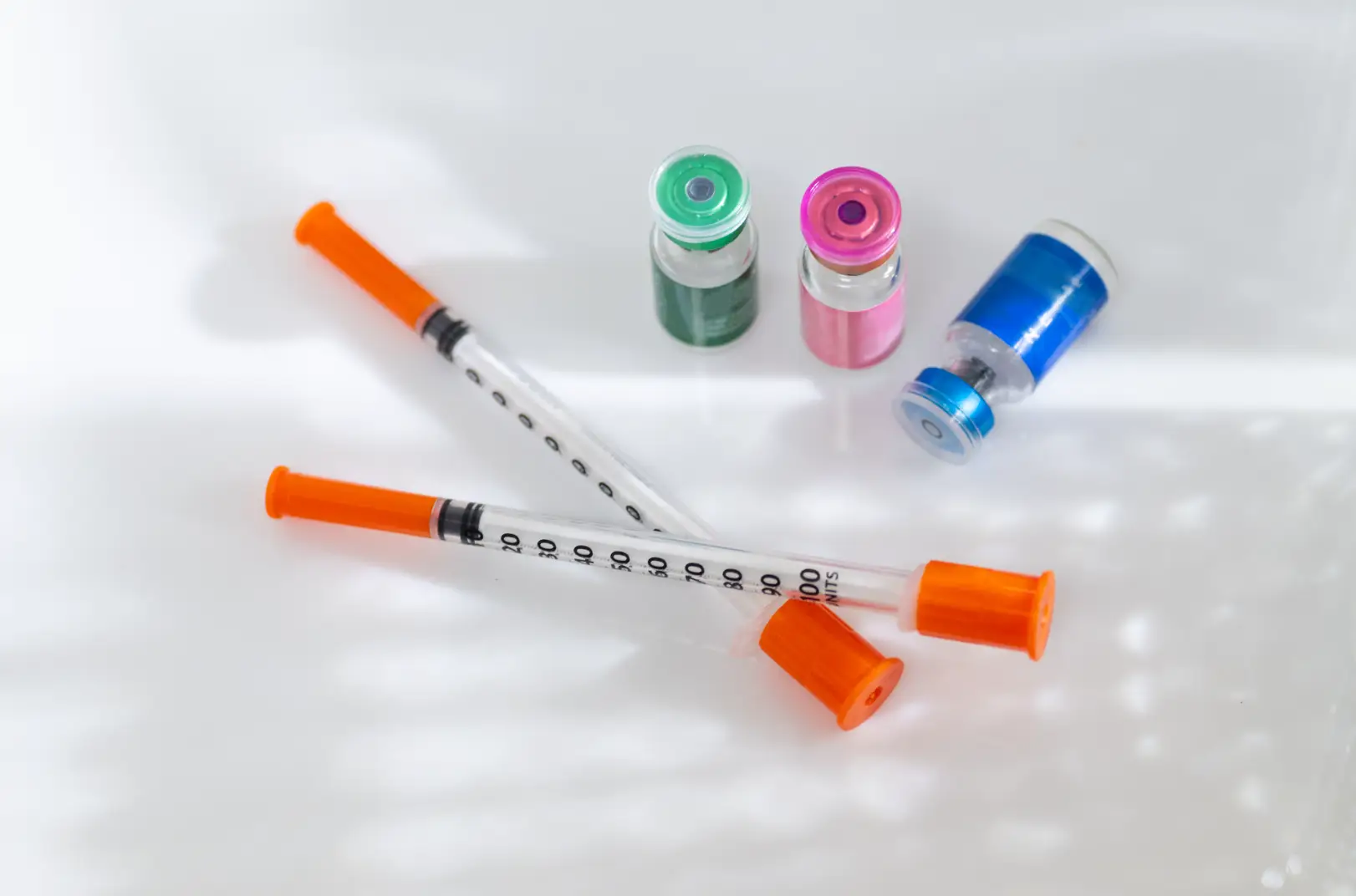
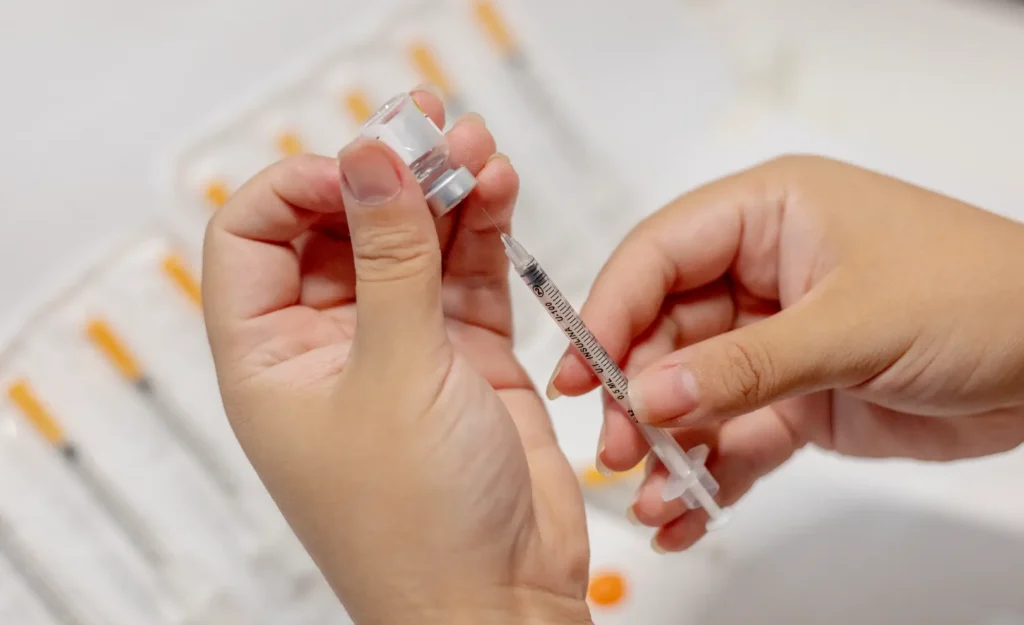
The FDA has also reported dosing errors with compounded semaglutide, including cases requiring hospitalization. Confusion about concentrations, milligrams, milliliters, and syringe units has contributed to mistakes.
Don’t improvise pen-click counts, divide injections, or extend intervals using online instructions. Ask your prescriber and pharmacist to explain the prescribed dose, device, storage, and discard date. Less medication per injection doesn’t automatically make a vial usable for longer.
9. Define What Success Means
A personalized plan needs a clear goal and a way to evaluate it. Ask what should improve, how progress will be measured, and when you’ll reassess together. You should also know who handles questions between scheduled visits. Before agreeing to an adjustment, clarify:
- The purpose: Is the goal better tolerability, weight maintenance, or treatment of another diagnosed condition?
- The monitoring: Which symptoms, weight trends, or glucose measurements should you record?
- The next step: What happens if the dose doesn’t help or side effects continue?
The NIDDK emphasizes that medication complements healthy eating and physical activity. Discuss nutrition and daily functioning alongside numbers on the scale. A plan should support your health, not simply suppress your appetite as much as possible.
Find a Plan You Understand
GLP-1 micro-dosing deserves more than a reassuring name. The useful conversation is about a real medical need, appropriate treatment, and follow-up you can rely on.
Bring that conversation to Duluth Med Spa in Duluth, MN. Schedule a consultation to review your goals, treatment history, and questions about lower-dose options. Discuss the evidence, limitations, and alternatives before deciding whether any adjustment belongs in your care plan.
Connect with us today!
References
NewYork-Presbyterian. What Is GLP-1 Microdosing?. March 24, 2026.
National Institute of Diabetes and Digestive and Kidney Diseases. Prescription Medications to Treat Overweight & Obesity.
DailyMed, U.S. National Library of Medicine. Wegovy: Manufacturer Prescribing Information. Updated June 18, 2026. Also consulted: Wegovy Injection Label, updated April 23, 2024.
DailyMed, U.S. National Library of Medicine. Zepbound: Prescribing Information and Medication Guide.
Beck, H., & Clements, J. N. Considerations and Challenges in Microdosing of GLP-1-Based Receptor Agonists. Expert Opinion on Pharmacotherapy. Published online September 25, 2026. doi:10.1080/14656566.2026.2740393.
U.S. Food and Drug Administration. Understanding Unapproved Use of Approved Drugs: Off Label.
Horn, D. B., et al. Tirzepatide for Maintenance of Bodyweight Reduction: SURMOUNT-MAINTAIN. The Lancet, 407(10545), 2305-2318. 2026. doi:10.1016/S0140-6736(26)00656-2.
Cedars-Sinai. Can Microdosing GLP-1s Promote Health and Weight Loss?. May 26, 2026.
U.S. Food and Drug Administration. FDA Approves First Treatment to Reduce Risk of Serious Heart Problems Specifically in Adults with Obesity or Overweight. March 8, 2024.
U.S. Food and Drug Administration. FDA’s Concerns with Unapproved GLP-1 Drugs Used for Weight Loss.
U.S. Food and Drug Administration. Dosing Errors Associated with Compounded Injectable Semaglutide Products.