
Medically Reviewed by Christopher Delp, MD, FACEP, MSCP
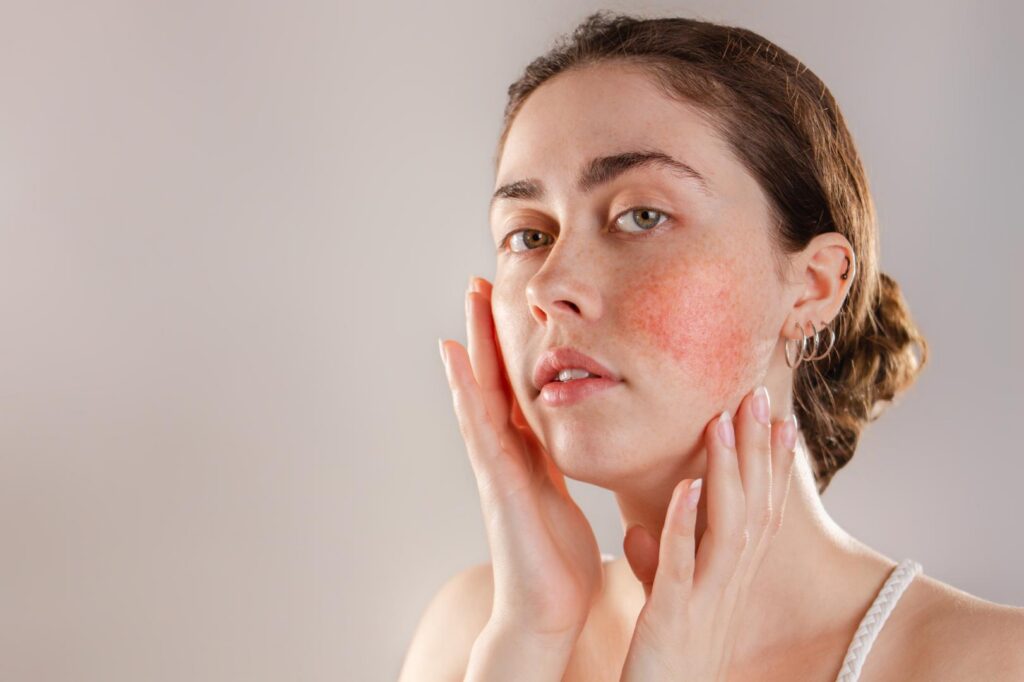
Some mornings, your cheeks look flushed before you’ve had your coffee or stepped outside. When redness keeps returning, it’s understandable to want more than another product that promises to calm everything down.
An IPL photofacial may offer a way to address certain kinds of visible redness. Cooler months can also make treatment easier to fit around your plans, provided you understand what your skin needs.
Keep reading to learn how IPL for rosacea works, why timing matters, and what a thoughtful treatment plan should include.
What IPL Actually Does
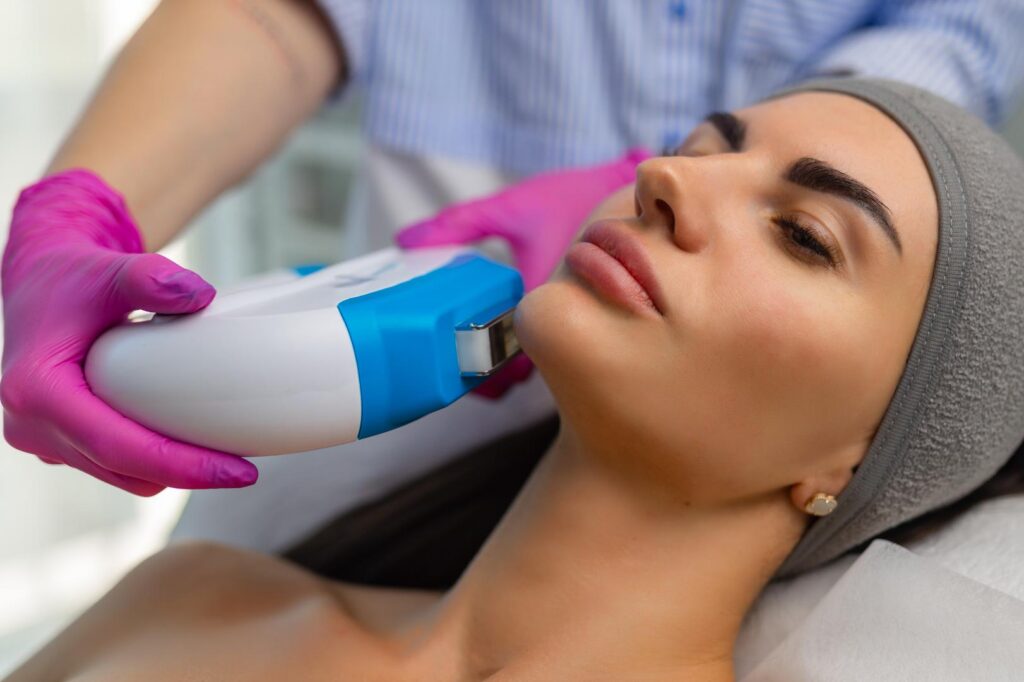
IPL works with light, not an exfoliating scrub or a conventional facial. The name stands for intense pulsed light, and the technology uses multiple wavelengths rather than the single wavelength associated with a laser.
For vascular redness, light energy targets hemoglobin in small blood vessels. That energy becomes heat, helping reduce the appearance of targeted vessels. Treatment may improve persistent redness and visible capillaries, although results depend on the condition being treated and how your skin responds.
An IPL photofacial redness treatment shouldn’t be presented as a solution for every facial rash. Rosacea treatment varies with the symptoms involved, and bumps, irritation, or eye symptoms may require other care. The first step is understanding what’s causing your redness, not choosing a procedure from a photo.
Eight Things to Know Before You Book
A useful seasonal plan connects treatment with your actual routine. These considerations can help you decide whether the coming months offer a practical window for care.
1. Less Sun, Easier Planning
The biggest seasonal advantage is practical rather than magical. When your calendar includes fewer sunny outings, following instructions to limit sun exposure may become more manageable.
Sun avoidance before and after IPL is an important part of preparation and aftercare. That makes a stretch without beach trips, outdoor tournaments, or tanning plans worth considering. Your provider should assess recent sun exposure and tell you when your skin is suitable for treatment. Self-tanners also belong on your preparation checklist; ask when to stop them before your first treatment appointment.
However, a cold day isn’t automatically a low-exposure day. An afternoon outdoors still belongs in your planning conversation, even when you’re wearing a winter coat.
Think about your next several weeks, not just appointment day. Mention any warm-weather vacation before booking a series. Cooler months don’t make the device stronger, and summer isn’t automatically off-limits. The useful question is whether you can follow the precautions throughout your treatment course.
2. Give Results Some Time
A quieter season can create room for more than one appointment. IPL is usually better approached as a process than a last-minute fix before a big event.
Treatment often involves several sessions spaced weeks apart. Your provider will recommend the number of treatments and the intervals between sessions based on your skin, treatment settings, and response. Don’t assume a friend’s schedule will be the right one for you.
Before committing, ask how progress will be assessed. Photographs taken under similar lighting can give you a more useful comparison than checking your face in different bathroom mirrors. You can also write down what bothers you most, such as visible vessels around your nose or redness across your cheeks.
Bring upcoming celebrations into the discussion, too. Starting earlier gives you room to follow the recommended schedule instead of asking your skin to meet an event deadline. A consultation should help you set expectations, not promise perfect timing.
3. Make the Consultation Count
Your skin deserves an individual assessment, even when your symptoms sound familiar. Explain when the redness started, whether it comes and goes, and what you’ve already tried.
Medical history, medications, and light sensitivity matter when planning light-based treatment. Mention cold sores, unusual bruising, previous reactions to procedures, and recent tanning. Bring your skincare products or a written list, including anything prescribed by another clinician.
Skin tone also belongs in the conversation. IPL can cause pigment changes, so ask how the provider evaluates your skin and chooses appropriate settings. Someone with experience treating patients with a similar skin tone should explain the expected benefits and limitations, including whether another option would be preferable.
You can ask whether a test spot would be useful and what would make the provider postpone treatment. Don’t stop prescription medication on your own to qualify for an appointment. A careful facial redness treatment plan starts with suitability, not pressure to book immediately. You can also ask which symptoms need a dermatologist’s assessment first.
4. Know What Treatment Feels Like
Knowing what happens during the appointment can make it feel less unfamiliar. You’ll have time to review the plan and clarify which areas will be treated.
During IPL, protective eyewear, cooling, and brief pulses of light are part of the procedure. The sensation is often compared with a quick rubber-band snap. Some areas may feel more sensitive than others, so speak up rather than assuming discomfort is something to silently tolerate.
Ask how long to allow for the full visit, including preparation and aftercare instructions. The light treatment itself is only one part of the appointment.
Before leaving, make sure you understand which products to use, when to resume your usual routine, and whom to contact with questions. Written instructions are especially useful when you’re trying to remember several details at once. You shouldn’t have to reconstruct the plan from an online discussion later that evening.
5. Leave Room for Recovery
A treatment for redness can temporarily make your skin look redder. That possibility is easier to manage when you know about it beforehand.
Temporary redness, puffiness, tenderness, or bruising can follow IPL. Mild reactions may settle within a day or two, but recovery varies. When brown spots are also treated, they can temporarily darken and flake; that isn’t a required stage of treating redness alone.
Keep your provider’s instructions close and leave some flexibility around important plans. Ask when makeup, exercise, and your usual skincare products are appropriate again. A low-downtime treatment still deserves aftercare.
Don’t pick at flaking areas or scrub your skin to speed things along. Contact your provider promptly about blistering, worsening pain, unusual crusting, or symptoms that aren’t following the recovery pattern you were given. There’s no benefit in waiting through a concerning reaction simply because someone online said their skin looked similar.
6. Watch Winter’s Triggers
Cooler months may suit your treatment schedule without being your skin’s favorite season. That distinction matters when you’re managing rosacea between visits.
Cold wind, dry indoor air, and overheating can aggravate rosacea. Moving from a windy sidewalk into an overheated room may be more relevant to your symptoms than the month on the calendar. Your triggers may also differ from someone else’s. A few practical adjustments can make your routine easier to manage:
- Shield your face: Use a comfortable scarf or hood outdoors, choosing fabric that doesn’t rub irritated skin.
- Dress in layers: Remove a layer indoors before you become uncomfortably warm.
- Notice your patterns: Pay attention to whether steaming drinks, hot rooms, or certain foods precede flushing.
You don’t have to eliminate every possible trigger at once. Start with patterns you actually notice and discuss persistent flares with your clinician. An IPL appointment doesn’t replace day-to-day management, especially when your environment keeps changing.
7. Keep Skincare Gentle
The weeks around treatment aren’t the moment to audition every serum in your cabinet. A simple routine makes it easier to follow instructions and notice when something irritates your skin.
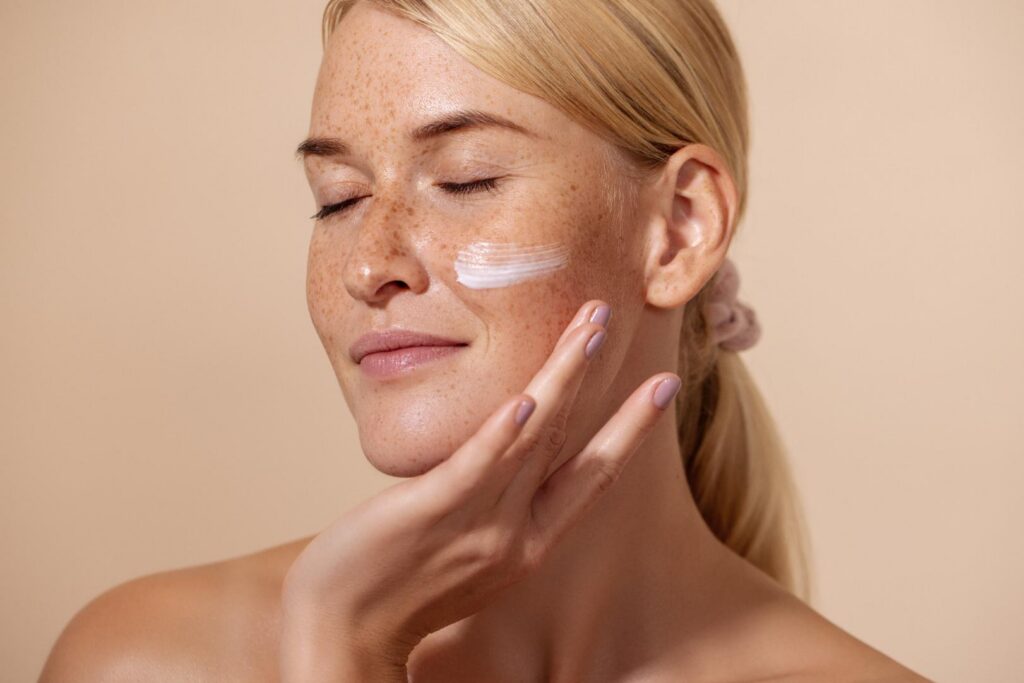
Rosacea-friendly skincare emphasizes gentle cleansing, moisturizing, and year-round sun protection. Use a mild cleanser without scrubbing, and choose a moisturizer that feels comfortable rather than one that stings. Ask your provider when to pause and restart exfoliating acids, retinoids, or other potentially irritating products around IPL.
A broad-spectrum, water-resistant sunscreen with SPF 30 or higher remains important on cloudy days. If sunscreen irritates your skin, a fragrance-free formula containing zinc oxide or titanium dioxide may be worth discussing. Follow application and reapplication directions rather than treating morning sunscreen as permission for unlimited sun exposure.
Keep prescribed rosacea care in the conversation as well. Your provider should explain how it fits alongside treatment, so you’re not guessing which instructions take priority when your skin feels sensitive.
8. Plan Beyond the Season
The goal is an improvement you can evaluate and maintain, not a promise that your face will never flush again. Ask what success would reasonably look like for your particular symptoms.
New visible vessels can develop even after treated vessels improve. Follow-up care may therefore include maintenance procedures, medication, or adjustments to skincare. The right combination depends on what remains troublesome, rather than automatically repeating the same treatment forever.
Use review appointments to discuss more than photographs. Mention burning, stinging, new bumps, or difficulty tolerating products. Report gritty or irritated eyes to a clinician rather than assuming a standard photofacial will address them.
A useful long-term plan also fits your time and budget. Ask how future appointments are decided and whether you can reassess before purchasing another series. You deserve to understand the reasoning behind each next step, including when the better choice might be a different treatment.
A Calmer-Skin Conversation
IPL for rosacea is worth exploring when persistent redness or visible vessels are bothering you. Cooler months may offer a convenient starting point, but your skin’s needs should guide the decision.
For rosacea treatment in Duluth, MN, schedule an IPL photofacial consultation with Duluth Med Spa. Bring your questions about redness, seasonal triggers, and recovery. Together, you can discuss whether IPL belongs in a treatment plan that fits your skin and your life.
Call us today!