Medically Reviewed by Christopher Delp, MD, FACEP, MSCP
Weight loss can become frustrating when the habits that once worked no longer seem to move the needle. Appetite may feel harder to manage, body composition can shift, and hormonal changes may be happening at the same time. That’s why medical weight loss can be more useful when it looks at the whole patient instead of treating the number on the scale as an isolated problem.
GLP-1 medications may help appropriate patients manage appetite and food intake, while hormone replacement therapy (HRT) can address specific symptoms of hormonal change when medically indicated. At Duluth Med Spa, GLP-1 care is personalized and provider-guided, with multiple medication options rather than a one-size-fits-all program.
When hormone concerns are also present, both sides of the picture can be evaluated separately and managed together when appropriate. Keep reading to see how GLP-1 and hormones may fit into one coordinated wellness strategy without expecting either treatment to do the other’s job.
Where Weight Loss and Hormone Care Connect
Combining treatments should never mean simply adding more medications. The real advantage comes from identifying separate concerns, treating each for an appropriate medical reason, and coordinating care around the same patient.
1. GLP-1 Treatment Addresses the Weight-Loss Side
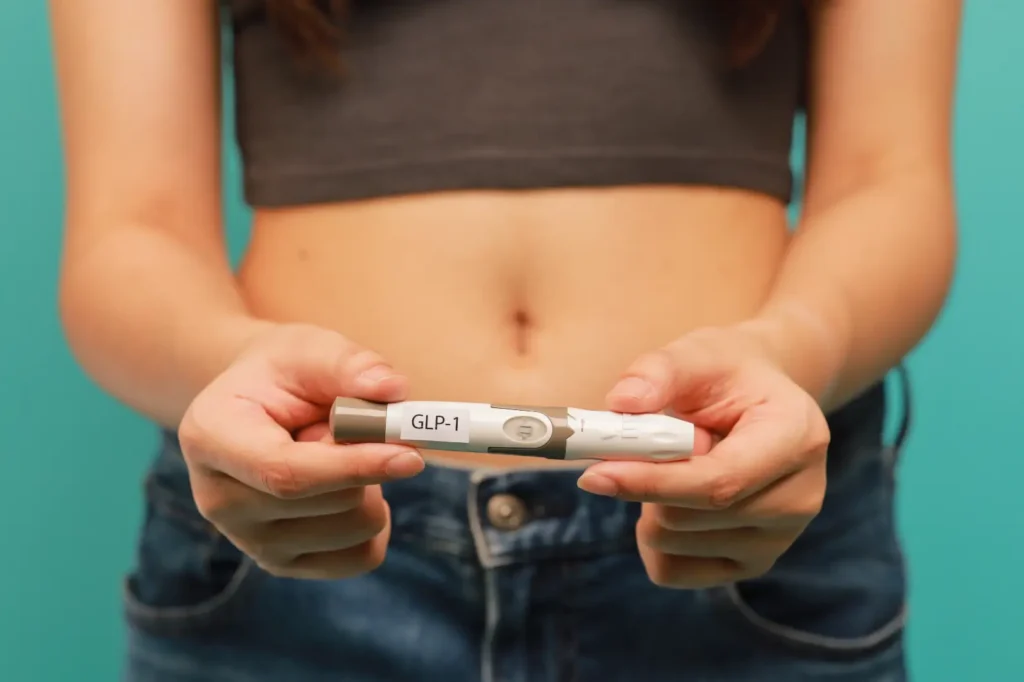
The first step is understanding what GLP-1 medications actually contribute to a weight-management plan. GLP-1 receptor agonists mimic the activity of a naturally occurring hormone involved in appetite, digestion, and blood sugar regulation.
Certain medications in this broader category are approved for chronic weight management in appropriate patients. Other medications, such as tirzepatide, act on both GIP and GLP-1 receptors.
These medications can help some patients feel satisfied with less food and make appetite easier to manage. That can create room for sustainable nutrition habits instead of making every meal feel like a battle with hunger.
Duluth Med Spa offers major GLP-1 options through medically guided care, including FDA-approved brand-name medications as well as patient-specific alternatives where appropriate. The focus is flexibility rather than locking every patient into one medication, contract, or program.
That matters because medical weight loss should respond to the individual. Medical history, treatment response, side effects, availability, goals, and long-term planning can all influence which approach makes sense.

2. HRT Has a Different Job
HRT shouldn’t be treated as another weight-loss medication. Its purpose is different, and keeping that distinction clear leads to much more realistic expectations.
Hormone replacement therapy is used to address specific hormone-related symptoms or deficiencies when clinically appropriate. Depending on the patient, hormonal changes can coincide with concerns involving hot flashes, sleep, sexual wellness, mood, energy, and body composition.
This is where discussions about hormones and weight loss can become confusing. Hormonal transitions may affect how patients feel and how their bodies change, but HRT isn’t prescribed simply to make someone lose pounds. Likewise, unexplained weight gain shouldn’t automatically be blamed on “imbalanced hormones.”
When HRT is medically indicated, improving bothersome hormone-related symptoms may make the broader wellness process feel more manageable. For example, someone who is sleeping better or experiencing fewer disruptive menopausal symptoms may find it easier to stay consistent with movement and other healthy habits. The two treatments can therefore coexist without being expected to accomplish the same thing.
3. Both Begin With a Personal Evaluation
One of the strongest reasons to coordinate weight loss and hormone therapy is that symptoms frequently overlap. Consider fatigue. A patient might assume they’re tired because of their weight. Another might assume low energy automatically means a hormone deficiency. Neither conclusion should be made without evaluation.
Sleep problems, nutritional deficiencies, stress, medication effects, thyroid disorders, depression, menopause, and many other factors can contribute to fatigue. Similar overlap can occur with weight changes, mood, appetite, and sexual wellness.
A provider-guided program can look beyond one symptom. For medical weight loss, that may mean reviewing weight history, medications, health conditions, nutrition patterns, previous attempts, and candidacy for GLP-1 therapy. Hormone care may involve a separate review of symptoms, medical history, life stage, and laboratory testing when clinically appropriate.
Personalization isn’t simply choosing a custom dose. It’s figuring out which problems actually need treatment.
4. Appetite Support Can Make Nutrition More Manageable
Patients sometimes know exactly what nutritional changes they want to make but struggle with persistent hunger or food preoccupation. GLP-1 therapy can change that experience for appropriate patients.
By affecting appetite and satiety, medication may make smaller portions feel more satisfying. The objective isn’t to stop eating or eliminate hunger entirely. Patients still need enough protein, micronutrients, fluids, and overall nutrition to support their bodies. This becomes particularly important when HRT is being used at the same time.
A combined weight loss hormone program shouldn’t become an excuse for severe calorie restriction. If appetite decreases dramatically, the quality of the food that remains becomes even more important.
Patients should also be monitored for medication side effects, which can include gastrointestinal symptoms such as nausea, vomiting, diarrhea, or constipation depending on the drug. Medical supervision creates an opportunity to adjust the plan rather than assuming discomfort is simply something patients must tolerate to lose weight.
5. Hormone Care May Address Symptoms Affecting Daily Habits
Imagine trying to follow a wellness routine while sleeping poorly night after night. Even the best plan becomes harder to follow when you feel exhausted. Hormonal transitions such as menopause can affect sleep and quality of life in some patients.
When HRT is clinically appropriate, treating bothersome menopausal symptoms can address an entirely different barrier than a GLP-1 medication addresses. That distinction matters. The GLP-1 medication may be supporting appetite management and weight reduction. HRT may be treating specific hormone-related symptoms.
The patient experiences both as parts of the same life, even though the therapies have separate medical purposes. This is where coordinated care can feel more human. Rather than saying, “Your weight is the only problem,” the conversation can acknowledge that several changes may be happening at once.
Treating the appropriate concerns can make the overall plan feel less like fighting your body and more like understanding what it needs.
6. HRT and Semaglutide Require Individual Planning
The search for HRT and semaglutide often comes from patients who are already using one treatment and considering the other. There isn’t a universal rule saying everyone on HRT should use semaglutide or that the two automatically belong together. Each therapy needs its own indication, screening, and monitoring.
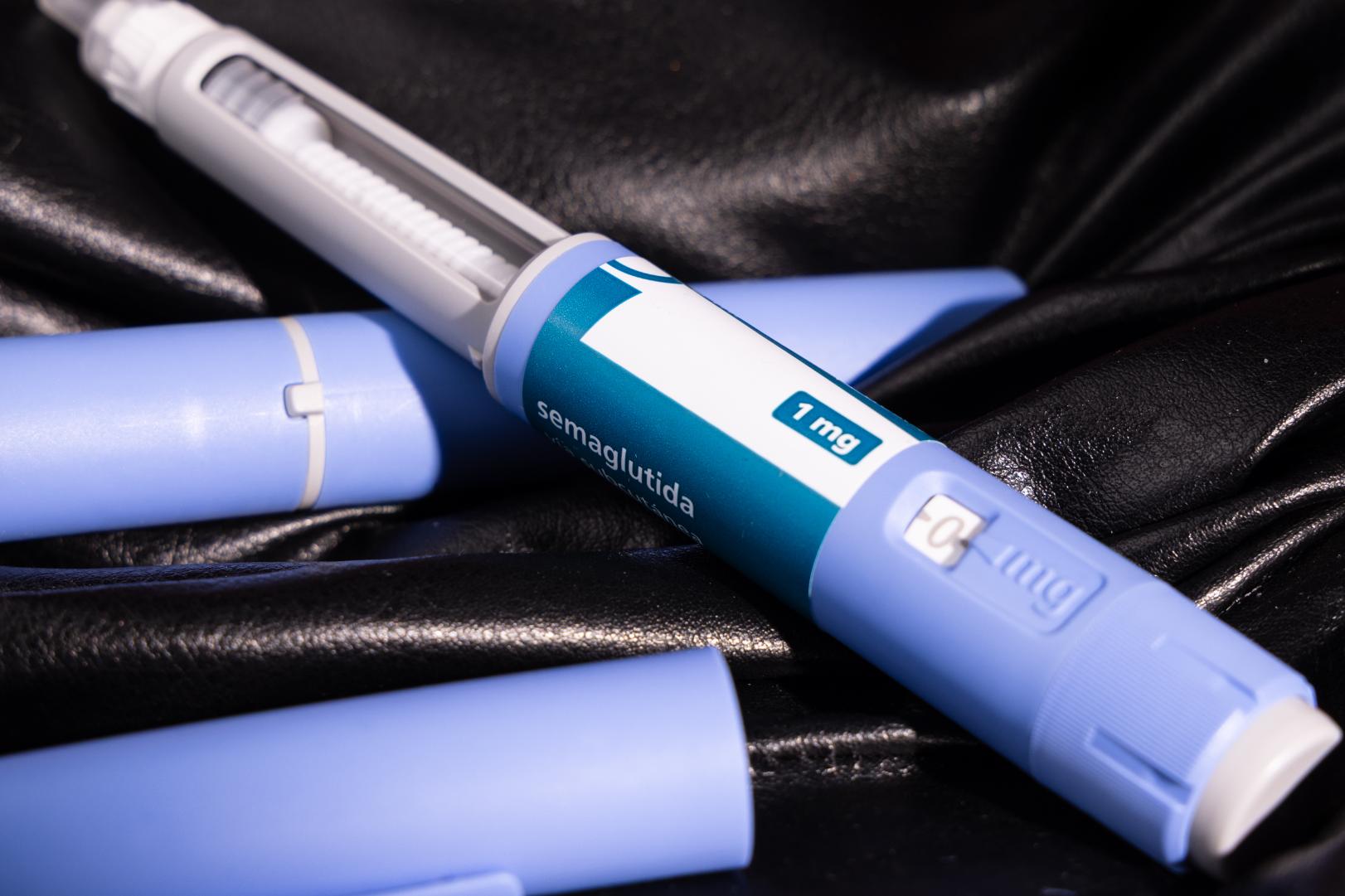
Semaglutide is a GLP-1 receptor agonist. Wegovy is FDA-approved for chronic weight management in certain patients, while other semaglutide products have different approved indications. HRT is a broader category of hormone treatment, and its benefits and risks vary according to the hormone, formulation, route, dose, patient characteristics, and reason for therapy.
That’s why your provider needs a complete medication list. Patients should disclose prescription medications, hormone therapies, supplements, and relevant health conditions before beginning treatment. If you’re already receiving HRT elsewhere, that information belongs in the medical weight-loss conversation too. Coordinated care starts with everyone knowing what you’re actually taking.
7. Body Composition Deserves Attention
A successful weight-loss plan shouldn’t focus exclusively on watching a scale move downward. What you’re losing matters too. When calorie intake falls significantly, patients can lose lean mass along with fat. Preserving muscle therefore deserves attention during medical weight loss, particularly as people age.
Adequate protein, resistance training when appropriate, and sufficient overall nutrition can become important parts of the plan. Hormonal changes can also coincide with changes in body composition during different stages of life. That doesn’t mean HRT should be prescribed as a muscle-building or weight-loss shortcut.
It means the bigger picture matters. If a patient is losing weight with GLP-1 therapy while simultaneously navigating menopause or another clinically relevant hormonal issue, looking at strength, nutrition, energy, and symptoms can provide more useful information than weight alone.
The goal isn’t simply to become lighter. It’s to pursue weight reduction without forgetting the rest of your health.

8. Flexible Dosing Can Support the Individual
Duluth Med Spa’s GLP-1 approach emphasizes flexibility, with options that can include FDA-approved brand-name medications, patient-specific alternatives, maintenance programs, and micro-dosing approaches.
That flexibility should still remain medically guided. More medication isn’t automatically more effective, and less medication isn’t automatically safer or appropriate. Dosing decisions should reflect the medication being used, the patient’s response, side effects, treatment goals, and applicable prescribing standards.
The same philosophy applies to hormone therapy. Hormone treatment shouldn’t revolve around pushing laboratory numbers toward a universal “optimal” target. Symptoms, health history, clinical indications, benefits, and risks need to be considered together.
When both treatments are part of a patient’s care, personalization means each can be managed on its own terms. You’re not squeezing two therapies into a package. You’re building one plan around one person.
Bring the Whole Picture Together
Weight changes and hormonal transitions can happen at the same time, but they don’t always need the same solution. A thoughtful medical weight loss program can use GLP-1 therapy to address appropriate weight-management needs while HRT separately supports patients with a legitimate indication for hormone treatment.
At Duluth Med Spa in Duluth, MN, patients can explore personalized, provider-guided care that considers medication options, individual response, hormone concerns, and long-term maintenance. When each treatment has a clear purpose, GLP-1 and hormone care can become coordinated parts of a plan built around your health rather than a one-size-fits-all program.
Call us today to schedule your consultation!