Menopause has a way of showing up unannounced—and then quietly changing everything. One day, your energy feels steady, your sleep is predictable, and your mood feels manageable. Then, almost without warning, things begin to shift. Sleep becomes lighter, energy dips earlier in the day, and your body starts responding differently to stress, weight, and even temperature.
This is where the conversation around HRT—or hormone replacement therapy—becomes more than just medical terminology. It becomes a pathway to feeling balanced again. For many women exploring hormone replacement therapy in Duluth, MN, the goal is not to reverse time but to restore a sense of normalcy that feels familiar and sustainable.
Now, there is another layer to that conversation: peptide therapy. When combined with HRT, peptides can support the body’s natural processes in a way that complements hormone balance. Together, they offer a more comprehensive approach to menopause treatment in Duluth, MN, one that looks beyond a single symptom and considers the whole person.
If you have been feeling like your body is no longer responding the way it used to, this is worth understanding. Because when you know what is happening beneath the surface, your options start to feel clearer—and more empowering.
What Is HRT?
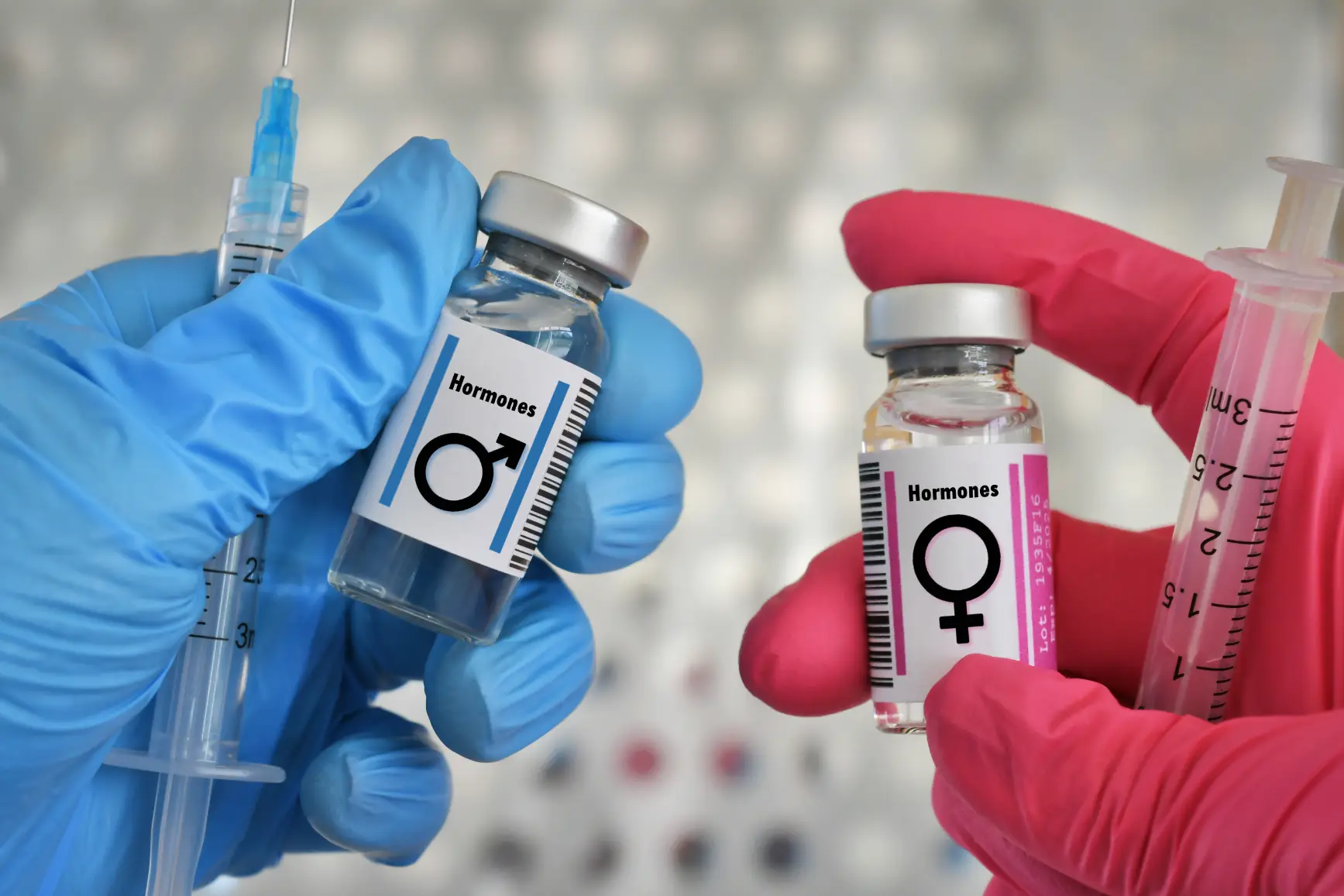
Before exploring how these therapies work together, it helps to understand what HRT actually does. Hormone Replacement Therapy is designed to restore hormonal balance by supplementing the hormones that naturally decline during menopause.
These hormones, primarily estrogen, progesterone, and sometimes testosterone, play a vital role in regulating everything from mood to metabolism.
A simple breakdown of HRT:
- Replaces hormones that decrease during menopause
- Helps regulate mood, sleep, and energy
- Supports bone density and overall health
- Can be delivered through pills, patches, gels, or injections
- Often tailored based on individual symptoms and goals
Many patients today are also exploring bioidentical hormone therapy, which uses hormones that are chemically identical to those produced by the body. This allows for a more personalized approach to hormonal imbalance treatment, especially for women who want a plan that reflects how their body is uniquely responding to menopause.
HRT is not about creating something new—it is about restoring what has gradually declined.
Where Peptides Fit In
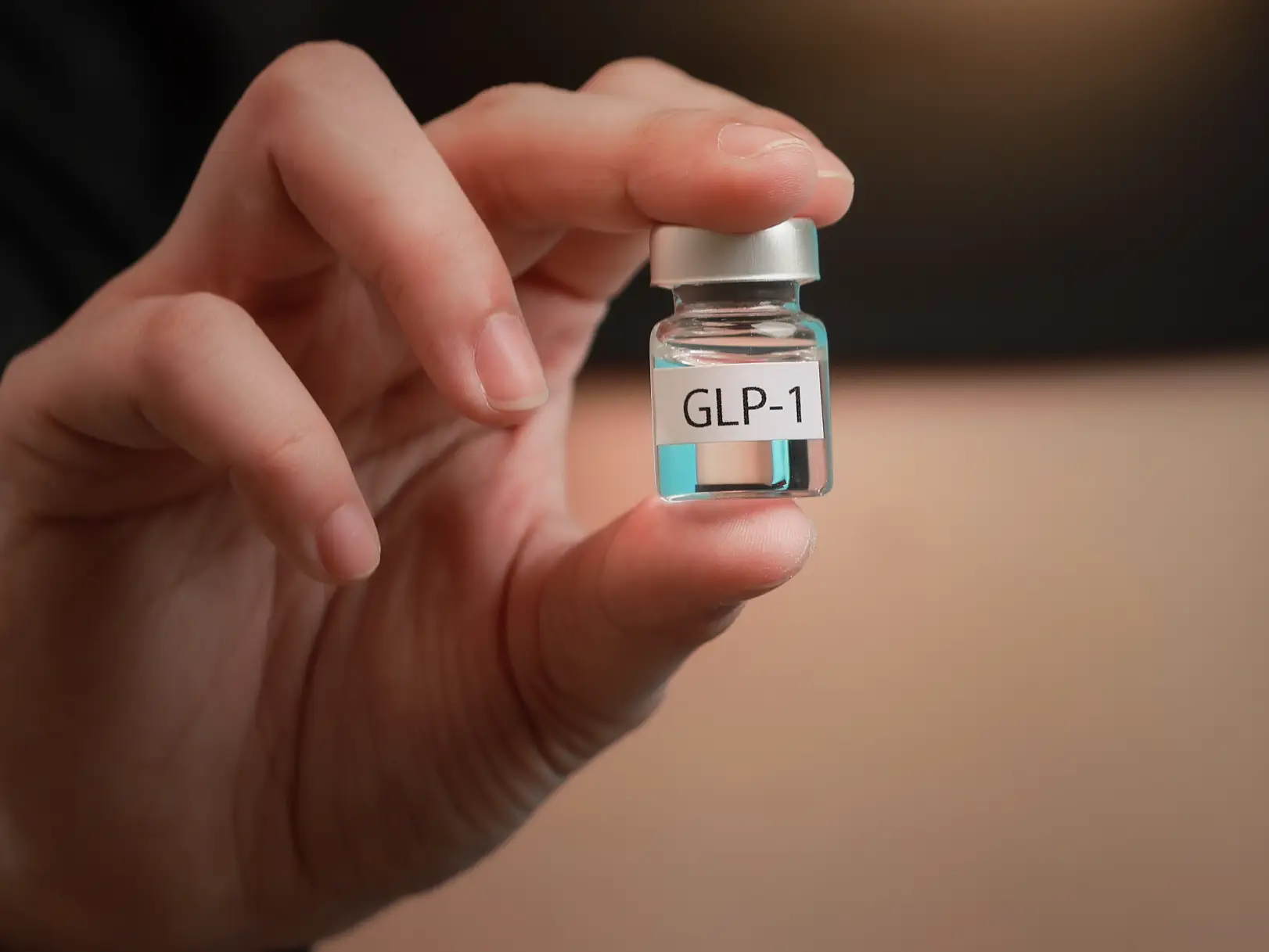
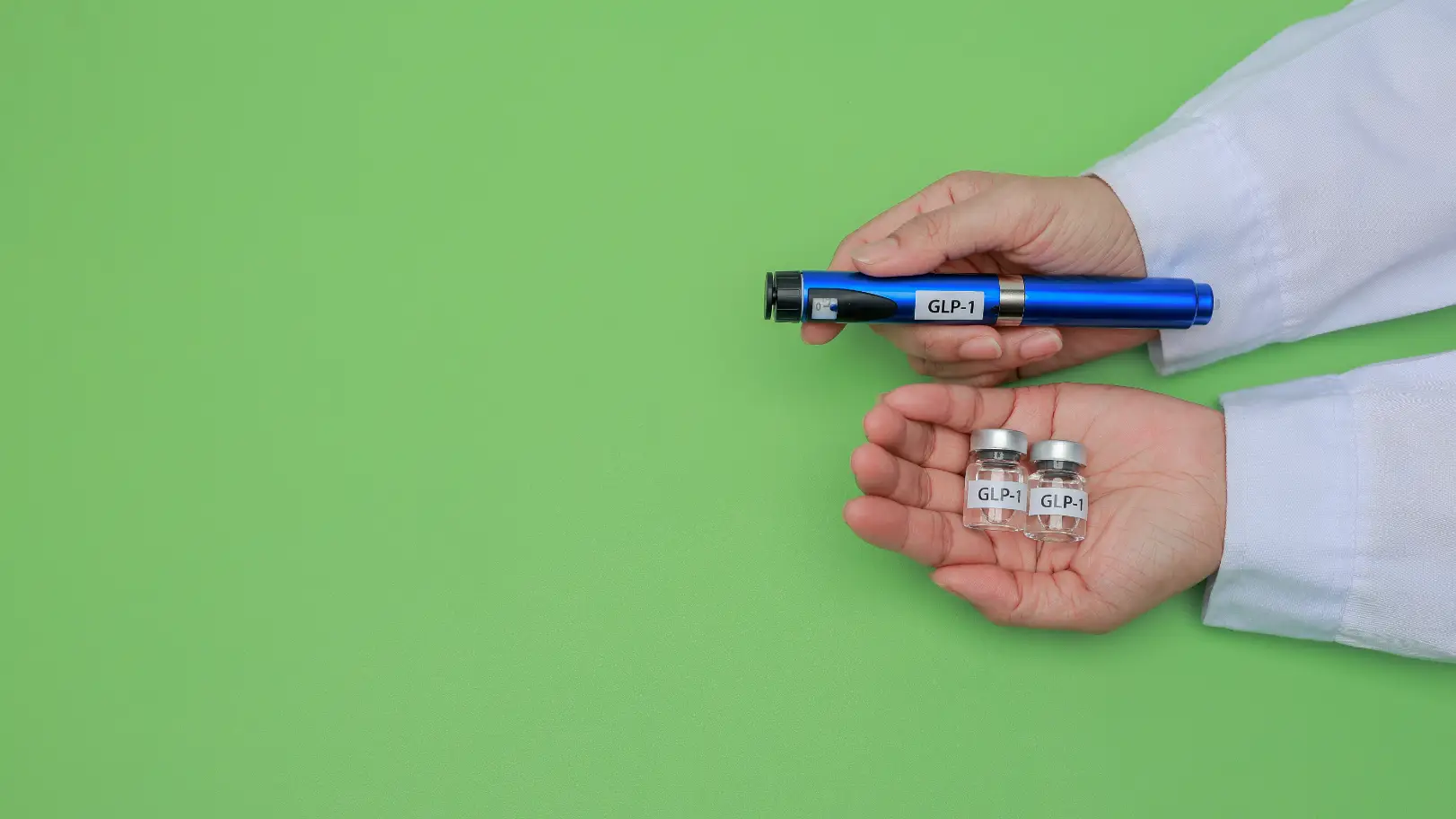
Peptides may sound technical, but their role in the body is surprisingly intuitive. Peptides are short chains of amino acids that act as messengers, telling your body to perform specific functions.
That might include producing collagen, supporting muscle repair, or regulating growth hormone activity.
Why peptides matter during menopause:
- Natural peptide production can decline with age
- They support cellular repair and regeneration
- They can influence energy, metabolism, and recovery
- They work alongside hormones rather than replacing them
This is why peptide therapy for menopause is gaining attention. It does not replace HRT—it enhances it. When combined thoughtfully, peptides and hormones can work together to support both the root cause and the broader effects of menopause.
Why Combination Therapy Works
There is no single symptom of menopause—there is a cascade of changes. That is why combining therapies often creates more meaningful results.
HRT focuses on restoring hormone levels. Peptides support how the body uses and responds to those hormones.
Together, they create a more complete approach to menopause symptom relief.
How HRT and Peptides Support Menopause
This is where the benefits become tangible. Each area below reflects a common concern during menopause—and how combining these therapies can help address it.
1. Energy That Feels Steady Again
Fatigue during menopause is not just about being tired—it is often deeper and more persistent. HRT can help regulate hormones that influence energy levels, while peptides may support cellular energy production and recovery.
When used together, patients often notice:
- More consistent energy throughout the day
- Less afternoon fatigue
- Improved stamina for daily activities
This is one of the first changes many patients recognize, and it often sets the tone for other improvements.
2. Sleep That Actually Restores You
Sleep disruptions are one of the most frustrating aspects of menopause. Hormonal fluctuations can affect sleep cycles, making it harder to fall asleep or stay asleep. HRT can help regulate those hormonal patterns, while peptides may support deeper, more restorative sleep.
Patients may experience:
- Fewer nighttime wake-ups
- Improved sleep quality
- Better morning energy
Restful sleep is not a luxury—it is foundational. When it improves, everything else often follows.
3. Mood and Mental Clarity
Hormones influence brain function more than many people realize. Changes in estrogen and progesterone can affect mood, focus, and emotional balance. HRT can help stabilize those fluctuations, while peptides may support cognitive function and stress response.
This combination may help:
- Reduce mood swings
- Improve focus and clarity
- Support emotional resilience
For many patients, this is where they begin to feel like themselves again.
4. Weight and Metabolism Support
Weight changes during menopause can feel confusing and frustrating. Hormonal shifts can slow metabolism and change how the body stores fat. HRT can help regulate those hormonal influences, while peptides may support metabolic function and muscle maintenance.
Patients often notice:
- Improved response to diet and exercise
- Better body composition over time
- Increased motivation to stay active
This is not about quick fixes—it is about creating conditions where healthy habits actually work.
5. Skin, Hair, and Overall Vitality
Menopause does not just affect how you feel—it shows up physically. Hormonal changes can lead to dryness, thinning hair, and reduced skin elasticity. HRT helps restore hormonal support for these functions, while peptides may stimulate collagen production and tissue repair.
This combination can contribute to:
- Healthier-looking skin
- Improved hydration and elasticity
- Stronger, fuller hair over time
The result often feels subtle but meaningful—a return to a more vibrant version of yourself.
6. Muscle Strength and Recovery
Maintaining muscle becomes more challenging during menopause. Hormones play a role in muscle mass and recovery, and peptides can further support these processes by promoting tissue repair and growth hormone activity.
Patients may experience:
- Improved strength and endurance
- Faster recovery after exercise
- Better overall physical resilience
This is especially important for long-term health and mobility.
7. A More Complete Approach to Hormonal Balance
HRT addresses hormone levels directly. Peptides support how the body responds at a cellular level.
Together, they create a layered approach to peptides for hormone balance, addressing both the cause and the effect of menopause-related changes.
This is what makes combination therapy feel different. It is not about treating symptoms in isolation—it is about supporting the body as a whole.
Personalization Is Everything
No two menopause experiences are identical. That is why personalization matters so much. Some patients may benefit more from hormone support, while others may need additional focus on recovery, metabolism, or sleep. A thoughtful plan considers:
- Individual symptoms
- Health history
- Lifestyle factors
- Long-term goals
This is where working with a provider experienced in hormonal imbalance treatment makes a difference. The goal is not to follow a template—it is to create a plan that reflects what your body actually needs.
FAQs
How does HRT help with menopause symptoms?
HRT replaces hormones that naturally decline during menopause, particularly estrogen and progesterone and, in some cases, testosterone. Restoring hormonal balance may help with concerns involving sleep, mood, energy, and other menopause-related changes.
Can HRT and peptide therapy be used together?
Yes, they may be incorporated into the same personalized treatment plan when appropriate. HRT focuses on declining hormone levels, while peptide therapy may support processes such as recovery, metabolism, sleep, and cellular function.
Does peptide therapy replace HRT?
No. Peptide therapy and HRT have different roles. Peptides act as signaling molecules that influence specific biological processes, while HRT directly supplements hormones that have declined.
Can HRT and peptides help with low energy during menopause?
They may help certain patients depending on what is contributing to their fatigue. Hormone therapy can address hormonal factors affecting energy, while selected peptides may provide additional support for recovery and related functions.
Can these treatments help with menopause-related weight changes?
HRT and peptide therapy are not quick weight-loss solutions. However, a personalized plan may support hormonal and metabolic factors that can influence body composition, muscle maintenance, and how the body responds to healthy lifestyle habits.
How do I know if HRT or peptide therapy is right for me?
That decision should be based on your symptoms, health history, lifestyle, and treatment goals rather than menopause symptoms alone. An individualized evaluation can determine whether HRT, peptide therapy, a combination approach, or another option is appropriate.
A New Chapter That Feels Like You
Menopause is not the end of feeling good in your body. It is a transition—and like any transition, it can be supported with the right approach.
With HRT, and the addition of peptide therapy for menopause, patients have more options than ever to feel balanced, energized, and confident in their day-to-day lives.
At Duluth Med Spa in Duluth, MN, this combination approach is built around understanding the full picture—not just the symptoms, but the person experiencing them. When treatments are aligned with your needs, the results tend to feel natural and sustainable.
Because the goal is not to become someone new. It is to feel like yourself again—just with a little more support along the way.
Contact us today to book your consultation!