
Tattoos often begin as a story. A meaningful chapter. A season of confidence. A symbol that felt right at the time. But people change, careers evolve, relationships end, style preferences shift, and sometimes the tattoo that once felt personal no longer feels like it belongs.
Tattoo regret is more common than many patients realize. Some want a faded tattoo cleaned up for a cover-up. Others want a visible tattoo removed for professional reasons. Some simply feel disconnected from old ink and want their skin to feel more like their own again. Whatever the reason, laser tattoo removal offers a modern path forward.
Today’s technology has made tattoo removal more precise, more thoughtful, and more customizable than older approaches. With advanced options like Discovery Pico®, patients no longer have to feel permanently defined by ink they no longer want.
Continue reading to learn how laser tattoo removal works, what makes picosecond technology different, and the many ways it can help address unwanted tattoos.
What Is Laser Tattoo Removal?
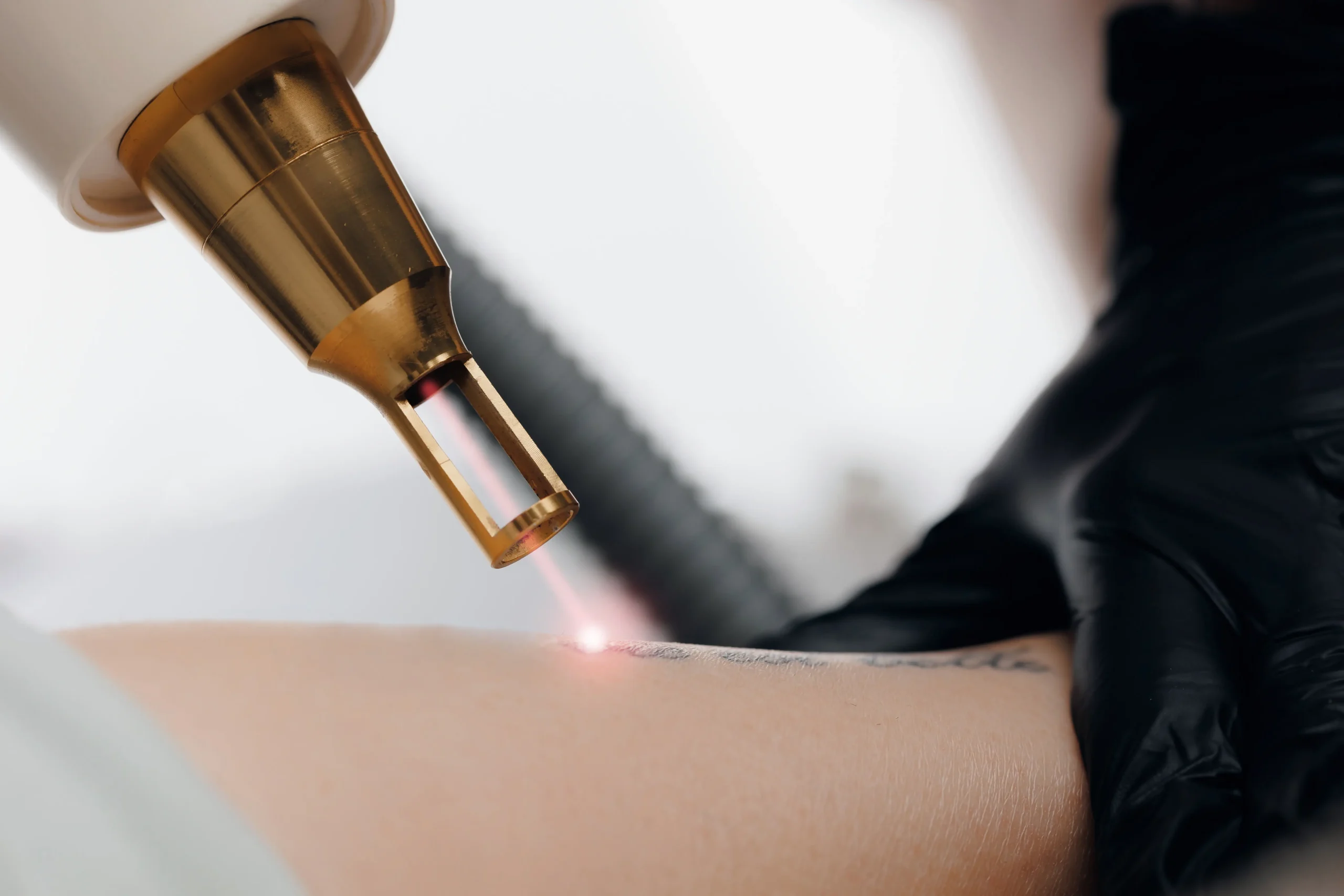
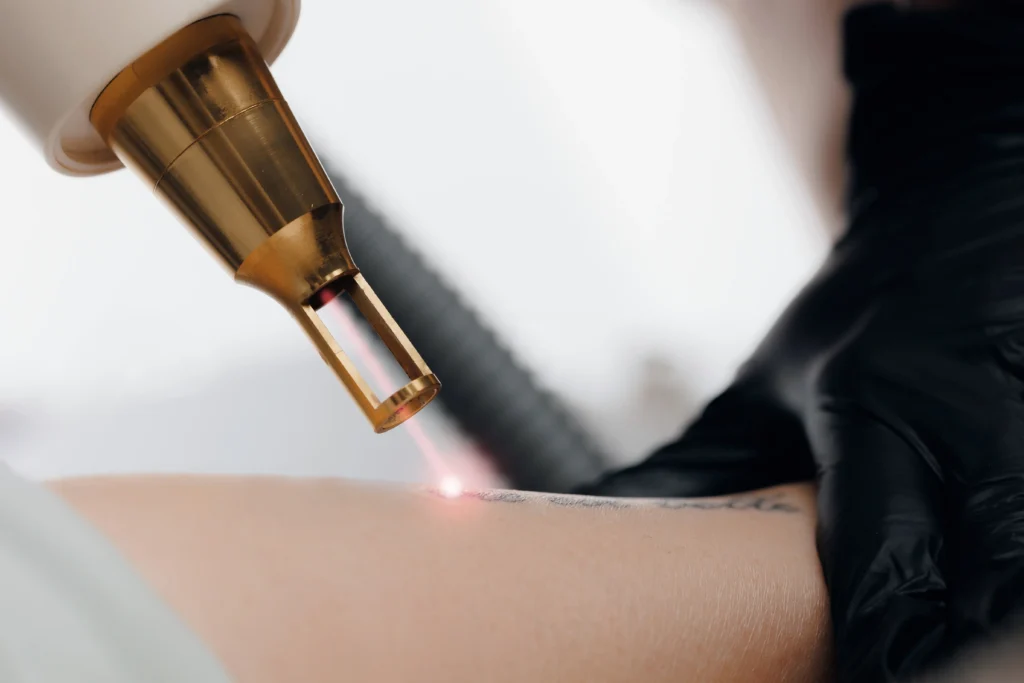
Laser tattoo removal is a non-surgical treatment that uses targeted laser energy to break tattoo ink into tiny particles. Once those particles are fragmented, the body gradually processes and clears them through its natural lymphatic system over time.
Discovery Pico® is a next-generation picosecond laser designed to treat tattoo pigment with ultra-short pulses of energy measured in trillionths of a second. Instead of relying only on heat, this technology creates a photoacoustic effect that helps shatter ink into microscopic fragments.
This matters because the smaller the ink particles become, the easier it may be for the body to gradually eliminate them.
Discovery Pico® is known for:
- Multiple wavelengths, including 532 nm, 1064 nm, and 694 nm
- The ability to target a broad range of ink colors
- Treatment options for deep blacks, reds, greens, blues, and lighter pigments
- Use across a variety of skin types
- Precision that helps reduce unnecessary impact on surrounding skin
- Sessions that may take about 10 to 30 minutes, depending on tattoo size and complexity
Patients seeking to remove unwanted tattoos in Minnesota often want a treatment that feels more advanced than the older laser systems they may have heard about. Discovery Pico® helps make that conversation more hopeful, especially for tattoos that once seemed difficult to fade.
The Truth About Tattoo Regret
Tattoo regret does not always mean someone hates their tattoo. Sometimes patients still respect what the tattoo represented, but they no longer want it visible. Sometimes the artwork did not heal as expected. Sometimes the placement makes everyday life harder. Sometimes the tattoo is simply from a different version of the patient’s life.
There is no shame in wanting change. Laser tattoo removal gives patients choices. It can fully remove a tattoo when possible, fade it enough for better cover-up work, or selectively treat part of a design that no longer feels right.
1. Laser Tattoo Removal Breaks Down Ink Gradually
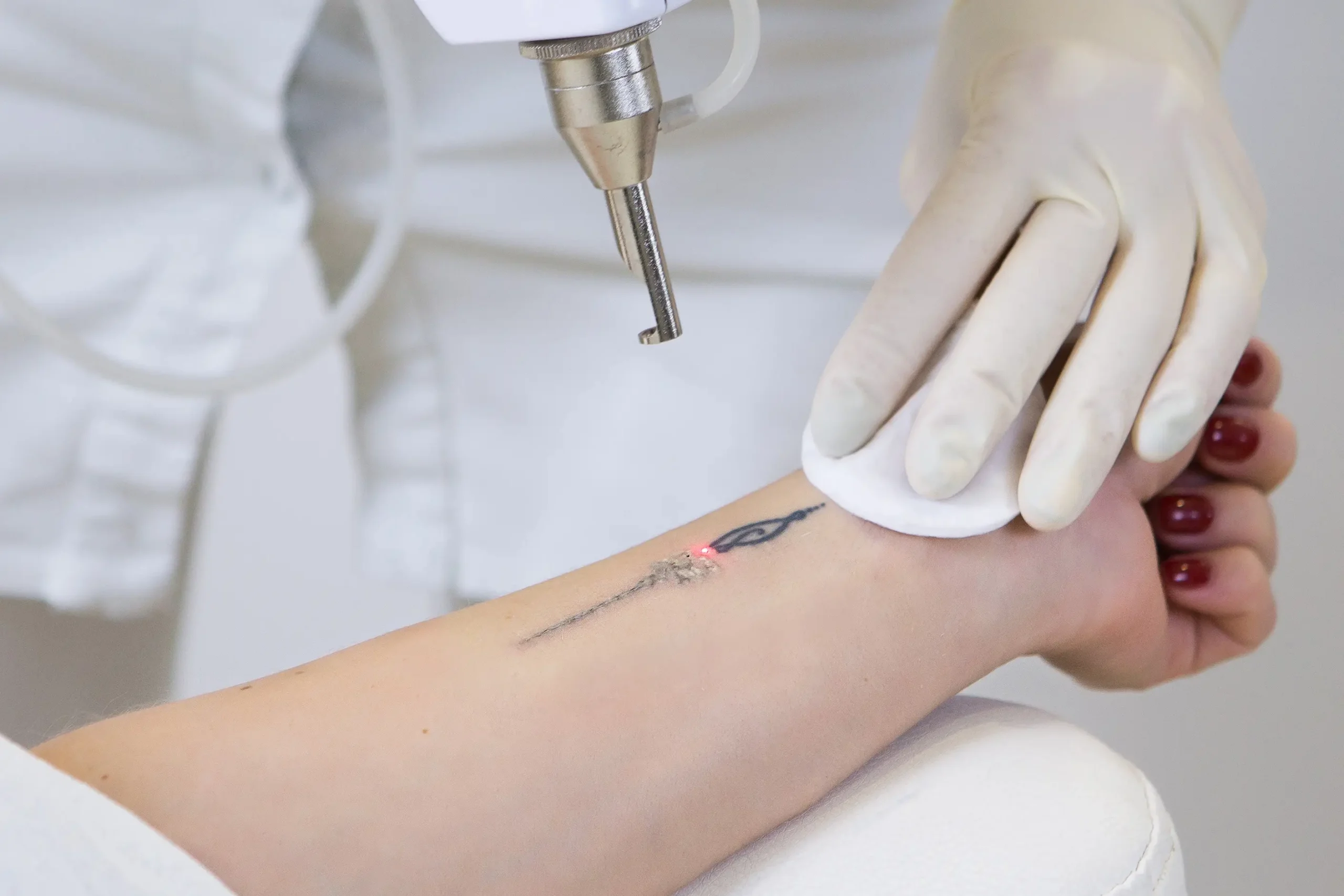
Tattoo ink is designed to stay in the skin, which is why removal requires time and precision. During treatment, the laser delivers short bursts of energy into the tattoo pigment. The ink absorbs the energy, breaks into smaller particles, and is gradually cleared by the body in the weeks after each session.
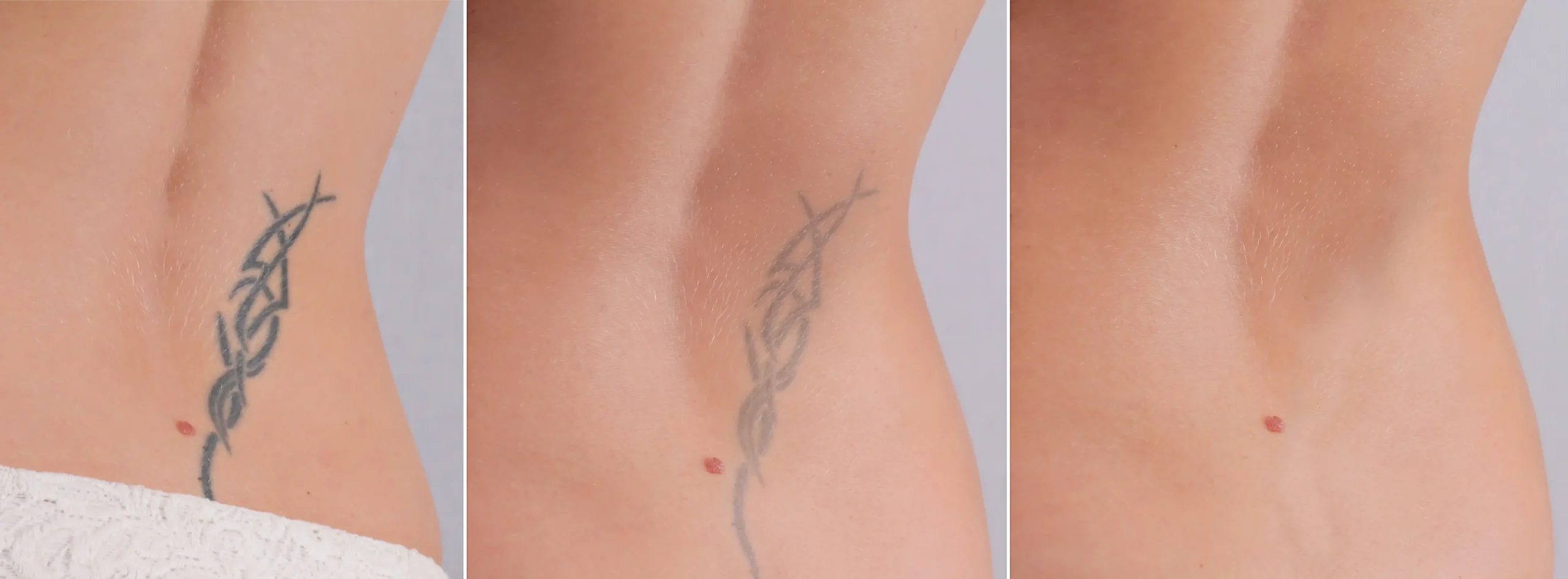
This is why results do not happen overnight. Each session builds on the last, progressively fading the tattoo over time. Patients exploring laser tattoo removal for old tattoos should understand that older tattoos may sometimes respond well because the ink may already be somewhat faded.
However, the response depends on many factors, including ink depth, color, density, skin type, and overall health. The process is gradual, but that gradual approach is what allows the skin and body to respond more safely.
2. Pico Technology Can Treat Stubborn Ink More Efficiently
Older tattoo removal lasers often relied on nanosecond pulse durations. Picosecond technology works even faster, delivering energy in ultra-short bursts that help create a stronger ink-shattering effect.
Discovery Pico® uses this rapid pulse delivery to fragment ink into tiny particles with precision. For patients, this may mean improved fading potential and the ability to target colors that were historically more challenging.
Black ink is often among the easiest colors to treat, while greens, blues, reds, and lighter shades can require specific wavelengths and more strategic planning. The advantage of a system with multiple wavelengths is that treatment can be better matched to the tattoo.
3. It Can Help Prepare for a Better Cover-Up
Not every patient wants complete removal. Some want enough fading so a tattoo artist has more flexibility to create a better cover-up. Dark, dense, or heavily saturated tattoos can limit what a cover-up artist can do. By lightening the existing design first, patients may have more creative options.
This is where fading a tattoo for a cover-up in Duluth becomes especially useful. Instead of forcing a new design over ink that is too dark or crowded, laser treatment can create a cleaner canvas. Partial fading can make the final cover-up look more intentional, more detailed, and less compromised.
4. It Can Address Tattoos for Professional Reasons
Some patients seek tattoo removal because their work environment, career goals, or professional image has changed. A tattoo on the hand, neck, wrist, forearm, or another visible area may feel limiting in certain industries or professional settings. While workplace attitudes around tattoos have changed significantly, some patients still prefer a more neutral appearance.
Tattoo removal for professional reasons can be a personal decision rooted in confidence, opportunity, or simply wanting more control over how one is perceived. Laser tattoo removal allows patients to make that change thoughtfully over time.
5. Partial Tattoo Removal Is Possible
Patients often assume tattoo removal has to mean removing the entire design, but that is not always the case. Laser technology can be used to target selected areas within a tattoo. For example, a patient may want to remove a name, date, symbol, or one portion of a larger design while keeping the rest.
Partial tattoo removal in Duluth, MN, can be especially helpful for patients who want to edit a tattoo rather than erase it completely. This approach requires precision and planning because different parts of the tattoo may have different colors, depths, and line density. A consultation helps determine whether partial treatment is realistic.
6. It Can Help With Old, Faded, or Blurry Tattoos
Tattoos change over time. Lines can blur. Colors can fade unevenly. Designs that once looked sharp may become less defined. Skin aging, sun exposure, and ink migration can all affect how a tattoo looks years later.
Laser tattoo removal can help patients address older tattoos that no longer appear clean or attractive. Some patients want full removal, while others want to lighten the tattoo enough for a fresh design. Old ink does not always mean easy ink, but many older tattoos are good candidates for evaluation.
7. It Can Treat Multiple Ink Colors
One of the reasons Discovery Pico® is valuable is its ability to work with multiple wavelengths. Different tattoo colors absorb different wavelengths of light. A laser that can target several pigment types gives providers more flexibility when treating multicolor tattoos.
For example:
- 1064 nm is often used for darker pigments
- 532 nm may be useful for certain red and warm-toned pigments
- 694 nm can help target additional challenging colors
This color-matching ability is important because a tattoo is rarely just one kind of ink. Even black tattoos may have different depths and pigment densities throughout the design.
8. It Helps Patients Move On Emotionally
Tattoo removal is not only physical. For some patients, unwanted tattoos are tied to grief, regret, past relationships, trauma, embarrassment, or a life stage they have outgrown. The decision to remove a tattoo can feel deeply personal.
Laser tattoo removal can offer a sense of closure. It gives patients the ability to reclaim their skin and move forward without feeling permanently attached to an image that no longer represents them. That emotional relief can be just as meaningful as the visible fading.
A Fresh Start for Your Skin
Tattoo regret is more common than most people admit, and it does not have to come with shame. Sometimes the ink no longer fits the life you are living. Sometimes it needs to be softened for a new design. Sometimes it simply belongs to a chapter you are ready to close.
At Duluth Med Spa, patients can explore laser tattoo removal with advanced Discovery Pico® technology designed to target unwanted ink with precision and care. Whether your goal is to remove an unwanted tattoo in Minnesota, prepare for a cover-up, or address older ink that no longer feels like you, a personalized treatment plan can help you move forward with confidence.
Your skin can tell a new story. Laser tattoo removal may be the first step toward making that possible. Contact us today to schedule your consultation!