

Medically Reviewed by Dr. Christopher Delp
A weight management plan can look perfect on paper and still feel impossible to fit between a work shift, school pickup, and the trip home. You shouldn’t have to put your life on hold to have an honest conversation about your health.
For patients in Duluth, Hermantown, Superior, and surrounding communities, GLP-1 therapy involves more than choosing a medication. It’s also about finding appropriate care you can keep up with. Read on for nine considerations that connect the medical questions with the everyday realities of getting started close to home.
1. Understand Your Options
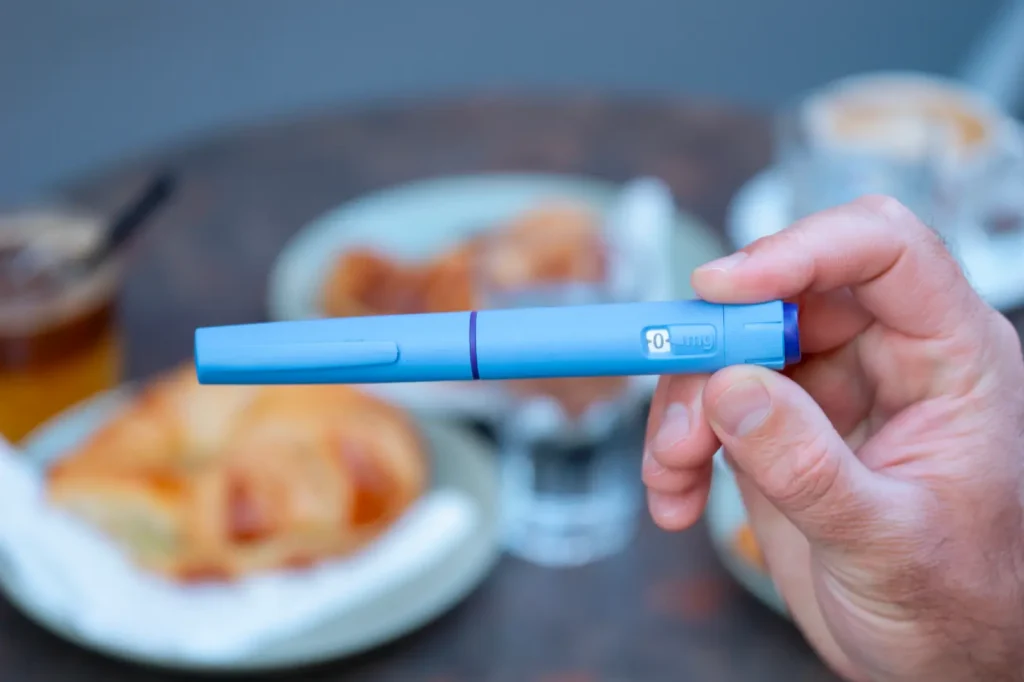
Start with what the treatment is meant to do. GLP-1-based medications can support weight management, but different products have different ingredients and prescribing instructions.
Wegovy contains semaglutide, which acts on GLP-1 receptors involved in appetite regulation. Zepbound contains tirzepatide, which acts on both GLP-1 and GIP receptors. Both are approved for weight management in eligible patients alongside dietary changes and physical activity.
For adults, the NIDDK describes typical weight management medication eligibility as a body mass index of at least 30, or at least 27 with a weight-related condition. High blood pressure and type 2 diabetes are examples, but meeting a threshold doesn’t automatically make a particular drug appropriate.
Your assessment should include previous treatment, current medicines, and personal health goals. Ask what would make the proposed medication suitable for you, rather than choosing it because someone you know had a good experience.
2. Check Cross-Border Telehealth
A virtual visit may reduce travel, but your location still matters. That’s particularly relevant when your home and healthcare appointments are on different sides of the Minnesota-Wisconsin border.
The U.S. Department of Health and Human Services explains telehealth licensing requirements: clinicians must be licensed or otherwise legally permitted to practice where the patient is physically located. Attending an earlier appointment in Duluth doesn’t automatically establish eligibility for a later video visit from Superior.
Tell the practice where you’ll be during the appointment, including when you’re traveling. Ask whether the clinician can provide care there and whether any part of the evaluation must happen in person.
The practice’s telehealth GLP-1 program includes clinical review and ongoing check-ins, with availability dependent on state and medication. Confirm your eligibility rather than assuming every service is available everywhere.
3. Put Safety First
Your first visit should leave room for more than a discussion about weight. Bring your medication list, relevant records, and questions about medical conditions that could affect treatment.
The Wegovy and Zepbound labels carry boxed warnings about thyroid C-cell tumors seen in rodents. Whether these drugs cause such tumors in humans is unknown. Neither should be used with a personal or family history of medullary thyroid carcinoma or multiple endocrine neoplasia syndrome type 2. Previous serious allergy to the prescribed medicine or its ingredients is another contraindication.
Discuss pregnancy plans, breastfeeding, significant digestive problems, and insulin or sulfonylurea use. Wegovy should be stopped at least two months before a planned pregnancy. Zepbound can reduce oral hormonal contraceptive effectiveness. Its label advises non-oral contraception or an added barrier method for four weeks after starting and after each dose increase.
These aren’t all the precautions. Your prescriber should explain which risks apply to you and whether additional testing or an examination is needed.
4. Know What You’re Receiving
A prescription should never leave you guessing about the product. Ask for the medication name, formulation, dispensing pharmacy, and instructions in writing.
If a compounded preparation is proposed, ask why an FDA-approved medicine can’t meet your needs. The FDA explains that compounded GLP-1 drugs aren’t FDA-approved. They haven’t undergone its premarket review for safety, effectiveness, or quality, and they shouldn’t be described as equivalent to approved products.
FDA also recommends obtaining a prescription through a clinician and using a state-licensed pharmacy. Confirm who answers medication questions after dispensing, whether you collect it locally or receive a delivery.
For a shipment, ask about storage requirements and what to do if the package arrives damaged or outside recommended conditions. Don’t use an unfamiliar concentration or device until your pharmacist has explained it.
5. Plan for the Early Weeks
Getting started should come with instructions, not pressure to tolerate anything that happens. Ask how you’ll contact the prescribing team between appointments.
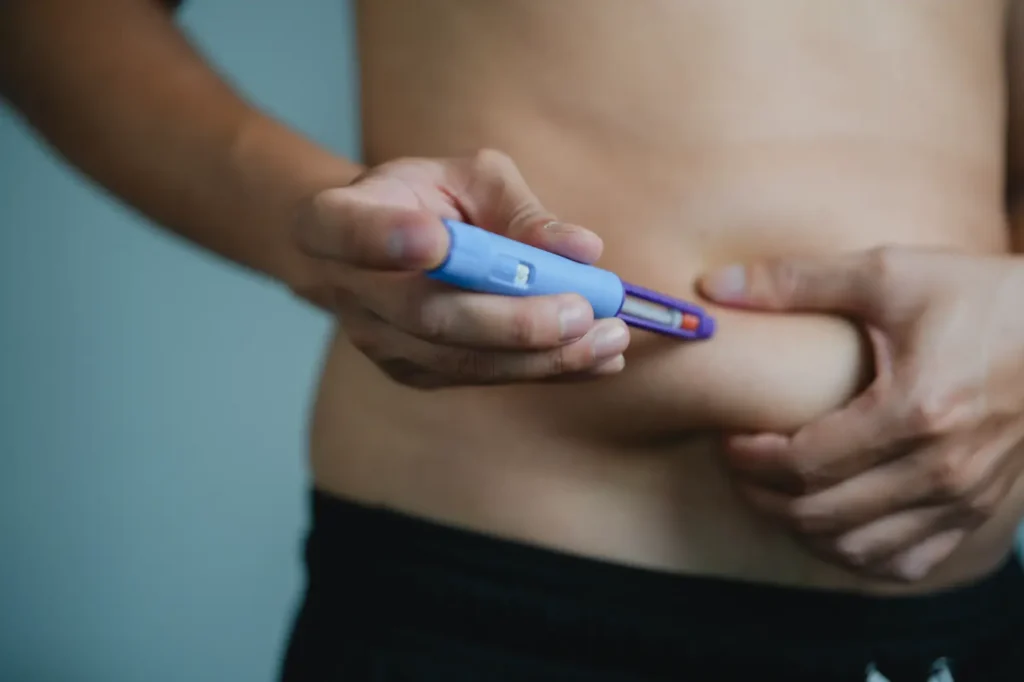
Wegovy’s injection dosing guidance uses gradual increases to reduce gastrointestinal side effects. It allows clinicians to delay escalation when a dose isn’t tolerated. Follow your prescribed schedule rather than adjusting injections around work, travel, or a friend’s experience.
Nausea, vomiting, diarrhea, and constipation appear in both medications’ labeling. Report symptoms that interfere with eating, drinking, or daily activities. Keeping brief notes about timing and severity can make that conversation more useful.
Severe, persistent abdominal pain can signal pancreatitis; stop treatment and seek urgent medical assessment. Breathing difficulty or swelling of the tongue or throat requires emergency help. Don’t save these warning signs for a routine follow-up. Call 911 for a possible serious allergic reaction rather than waiting for a portal reply.
6. Build a Northland Routine
Your daily habits need to work when life is ordinary, not just when motivation is high. Think about meals and movement you can repeat across changing schedules and seasons.
The CDC recommends at least 150 minutes of moderate-intensity activity each week, plus muscle-strengthening activity on two days. Activity can be divided into shorter sessions, and some movement is better than none. Ask your clinician how to adapt these goals to your abilities. For a practical starting point, consider:
- A weather backup: Pair an outdoor walking option with an indoor activity for days when conditions make going outside difficult.
- A strength routine: Ask about exercises that fit your experience, mobility, and available equipment.
- A realistic food plan: Discuss affordable meals you can prepare for workdays, family dinners, and appointments away from home.
You don’t need an elaborate wellness routine to ask for support. Explain what your week actually looks like so recommendations have somewhere to fit.
7. Understand the Whole Cost
Financial questions belong in the treatment conversation from the beginning. Ask for an explanation of medication charges, appointments, any recommended testing, and delivery or supply fees.
The NIDDK notes that insurance coverage for weight management medications varies. Coverage for a consultation doesn’t establish that your prescription will be paid for, so check the specific product with your insurer.
Ask which services are included and which are optional. Consider transportation and time away from work alongside the medical bill, particularly when you’re traveling from outside Duluth.
A useful estimate should also explain refill terms and cancellation policies. Take time to review it without feeling that asking about affordability makes you less committed to your health.

8. Keep the Long View
A follow-up should look at how you’re doing, not simply authorize another refill. Agree on the goals you’ll review, including weight trends, side effects, daily functioning, and relevant health measurements.
The NIDDK explains that medication may continue long term when it’s effective and side effects remain acceptable. Some weight regain can occur after treatment stops, making maintenance worth discussing before you reach a particular number.
Ask how your prescribing team will coordinate with primary care or other clinicians. You should know who manages related conditions and which changes need to be shared.
Before a move, extended trip, or change in insurance, bring up continuity of care. For Twin Ports patients, that includes rechecking telehealth arrangements when your physical location changes. A clear plan is more useful than trying to solve a refill problem at the last minute.
Start a Local Conversation
GLP-1 therapy should fit your medical needs and the life you’re living in Duluth, Hermantown, Superior, or beyond. You deserve clear answers before making a commitment.
Schedule a consultation with Duluth Med Spa in Duluth, MN, to review your health history, explore appropriate options, and discuss in-person or eligible telehealth care. Bring your questions about treatment, follow-up, and access, and take the next step with a plan you understand.
Call us today!
References
National Institute of Diabetes and Digestive and Kidney Diseases. Prescription Medications to Treat Overweight & Obesity.
DailyMed, U.S. National Library of Medicine. Wegovy Injection: Prescribing Information and Wegovy: Manufacturer Prescribing Information.
DailyMed, U.S. National Library of Medicine. Zepbound: Prescribing Information and Medication Guide.
U.S. Department of Health and Human Services. Getting Started With Licensure.
U.S. Food and Drug Administration. FDA’s Concerns With Unapproved GLP-1 Drugs Used for Weight Loss.
Centers for Disease Control and Prevention. Adult Activity: An Overview.